


Views: 0 Author: Site Editor Publish Time: 2025-11-05 Origin: Site


If you want to play your best, you need the right Basketball Shoes. Top brands like Nike, Adidas, and Under Armour lead the pack, with models such as Nike Air Zoom G.T. Cut and Adidas Harden Vol. 7 making waves on the court. Asterism also offers exciting options for both indoor and outdoor games. Check out this chart to see which brands NBA players trust most:
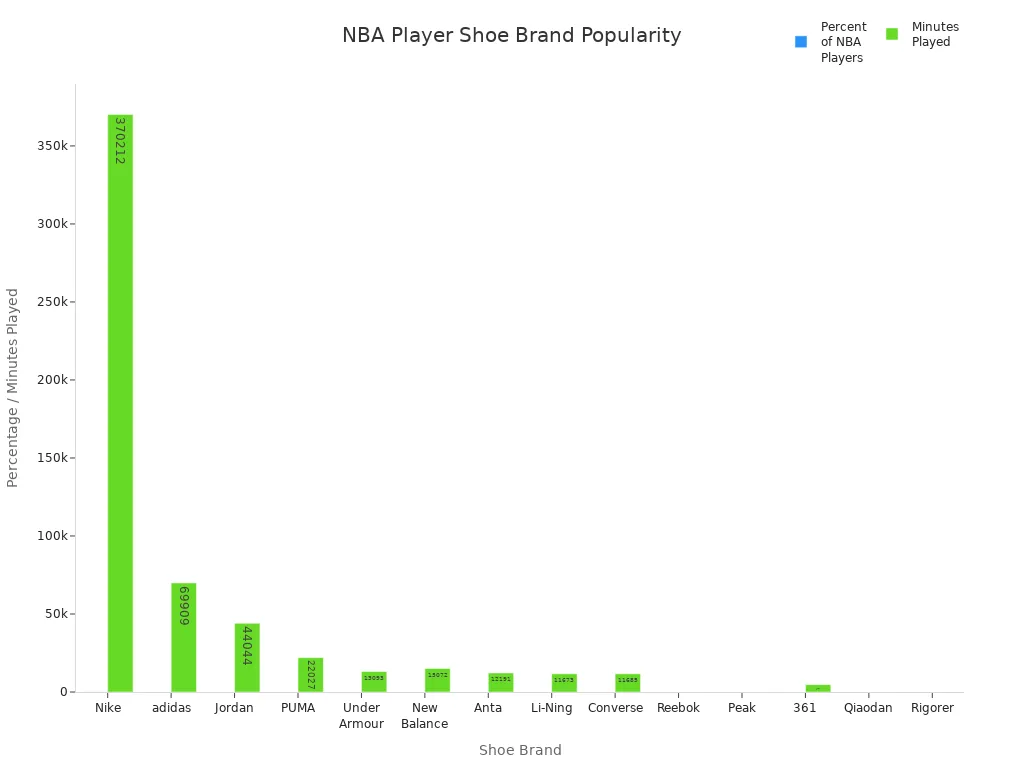
Choosing shoes that match your court surface and playing style helps you stay comfortable and perform better. You’ll find clear picks and practical advice here.
Choose basketball shoes based on your playing surface. Indoor shoes are lighter and softer, while outdoor shoes are tougher and more durable.
Look for specific features that match your playing style. Guards need lightweight shoes for speed, while centers benefit from high-tops for support.
Always try on shoes with your game socks. Ensure there’s enough toe room and a snug fit around the heel for maximum comfort.
Check traction patterns before buying. Indoor shoes have designs for smooth courts, while outdoor shoes offer grip for uneven surfaces.
Maintain your shoes by cleaning them regularly and rotating pairs. This helps extend their lifespan and keeps performance high.
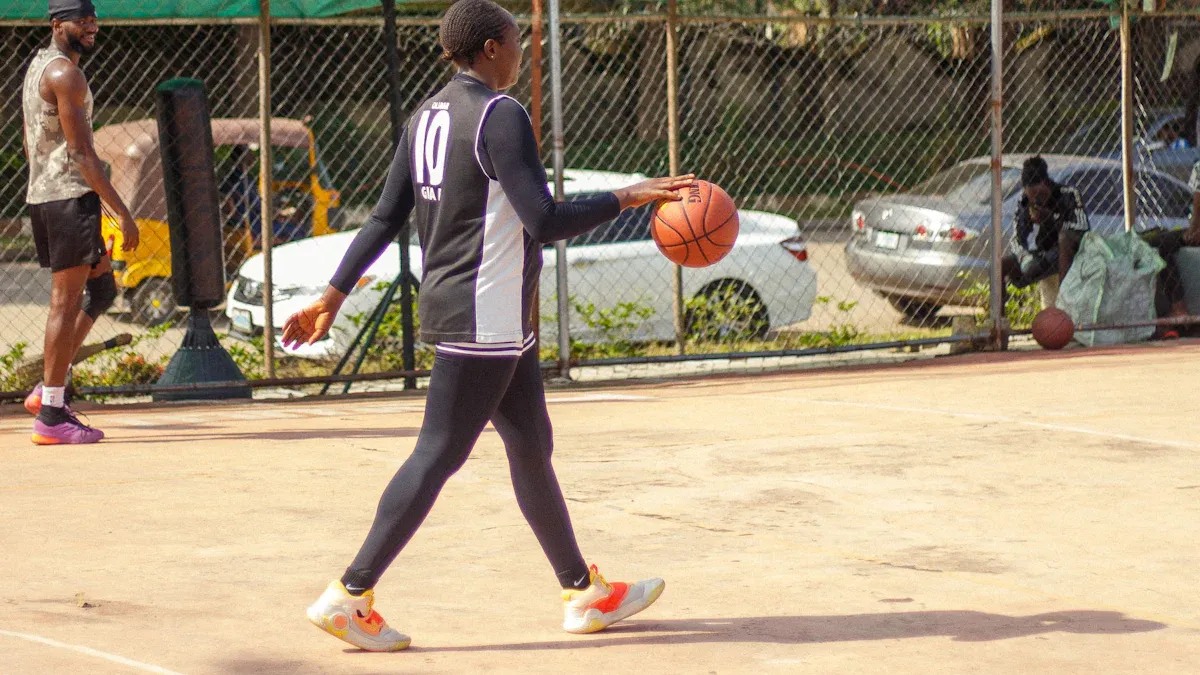
Image Source: pexels
When you pick Basketball Shoes, you need to think about where you play most. Indoor and outdoor courts have different surfaces, so shoe makers design their products to match those needs. Let’s break down the main differences.
You’ll notice that indoor shoes feel lighter and softer. They use flexible mesh and softer rubber soles. Outdoor shoes use tougher materials. You get thicker rubber soles and sturdy uppers that can handle rough concrete or asphalt. Here’s what sets them apart:
Indoor shoes have softer rubber soles with complex tread patterns for smooth surfaces.
Outdoor shoes use thicker, more durable rubber soles for rough surfaces.
Outdoor shoes last longer because they’re built for tough conditions.
Indoor shoes focus on advanced cushioning for shock absorption.
Outdoor shoes may have firmer midsoles for stability.
Indoor shoes are lighter, while outdoor shoes are heavier for support.
Nike, Adidas, and Under Armour offer great indoor models. For outdoor play, you might look at 361SPORT, Way of Wade, or PUMA.
In 2023, brands developed new tools to measure the environmental footprint of every shoe. One study found that making a single pair of sneakers creates 13.6 kg of greenhouse gas emissions. That’s like leaving a 100-watt bulb on for a whole week.
Grip matters a lot. Indoor shoes use tread patterns that work best on smooth courts. You’ll see multidirectional grooves and herringbone designs. These help you move quickly in any direction. Outdoor shoes have aggressive patterns for better grip on uneven ground. Some shoes, like the Lebron 15, may not have enough lateral traction, so always check the sole before you buy.
Outdoor shoes win when it comes to durability. They’re built to last through rough play and harsh weather. Indoor shoes don’t need to be as tough, so they focus more on comfort and speed. Adidas keeps working to lower emissions from shoe production, even though their land-related emissions are already below the industry threshold.
If you know where you’ll play most, you can choose the right shoe and get the best performance.
If you want a shoe that feels fast and responsive, you should check out the Nike Air Zoom GT Cut 2. This model stands out for its advanced traction and cushioning. You get a 'Smear' traction pattern under your forefoot, which helps you stop and start quickly on indoor courts. The full-length React midsole and Zoom Air technology work together to protect your feet from hard landings. The upper uses breathable mesh, so your feet stay cool during intense games. Some players say the ankle area could use more lockdown, but most find the fit true to size.
Feature | Description |
|---|---|
Traction | The shoe features a 'Smear' traction pattern that grips the ground effectively, especially in the forefoot area. |
Cushion | It has a full-length React midsole combined with Zoom Air technology, providing excellent impact protection. |
Materials | The upper is made of breathable textile mesh, though some users desire more padding for comfort. |
Fit | Generally fits true to size, but some players may experience a lack of lockdown around the ankle area. |
Support | Support is primarily derived from fit, but issues with material can lead to instability during play. |
You might like the Adidas Harden Vol. 7 if you want a shoe that blends style and performance. This signature model offers plush cushioning and a stable base, which helps you move confidently on the court. The upper uses a mix of textile and synthetic materials, giving you both breathability and support. Many players enjoy the wide toe box, which prevents blisters and lets your toes spread out. The traction works well on clean indoor floors, but it can pick up dust, so you may need to wipe the soles during games.
If you love quick cuts and sharp moves, the Under Armour Curry Flow 10 could be your best pick. This shoe uses UA Flow technology, which means you get a single foam sole instead of a traditional rubber outsole. The result is a lightweight shoe with amazing grip and energy return. You’ll notice how the Flow cushioning system keeps you comfortable and helps you change direction fast. The Curry Flow 10 feels light on your feet, and the pattern on the sole gives you extra traction for indoor play.
UA Flow cushioning system uses a single 'unisole' foam material.
No traditional rubber outsole, making the shoe lighter.
Superior traction and a grippy feel on indoor courts.
Excellent energy return and comfort.
Flow tooling is a favorite feature among players.
You want to know what makes these Basketball Shoes great and where they fall short. Here’s a quick look:
Advantages | Disadvantages |
|---|---|
Excellent traction | Fit issues |
High comfort | Performance needs vary |
Strong ankle support | |
Good durability |
Choosing the right indoor Basketball Shoes depends on your playing style and foot type. If you’re a heavier player or you rebound a lot, you should look for shoes with extra cushioning. Lighter players who want to feel close to the court might prefer a firmer setup. Foot and ankle stability, shock absorption, and traction matter most. High-top or three-quarter shoes help if you have ankle problems. A wide toe box keeps your feet comfortable and prevents blisters. Lightweight and breathable materials make long games easier. If you have flat feet, pick shoes with more arch support. If you have high arches, go for extra cushioning. Wide-footed players should try brands like New Balance or some Adidas lines.
Tip: Always try on shoes before you buy. Walk around and jump a few times to see how they feel. Your feet will thank you later!
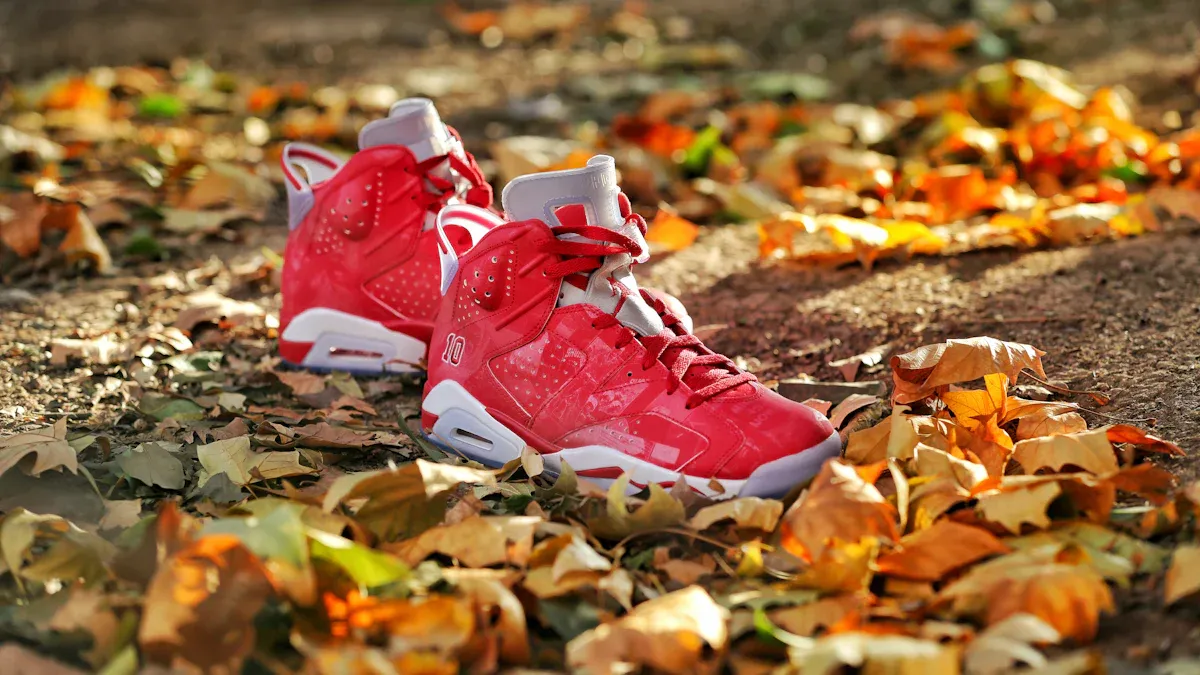
Image Source: pexels
When you step onto an outdoor court, you need Basketball Shoes that can handle rough surfaces and unpredictable weather. Outdoor shoes focus on durability, grip, and value. Let’s look at some top picks and see what makes them stand out.
You want a shoe that lasts through tough games outside. The Nike LeBron Witness 7 gives you just that. Here’s why many players choose it for outdoor play:
The full-length herringbone traction pattern grips the ground in every direction. You can stop, start, and change direction without slipping.
The rubber sole is tough and tacky. It holds up against concrete and asphalt, so you don’t wear out your shoes too fast.
The ¾ Air Max unit cushions your landings. You get solid impact protection, which helps your feet stay comfortable during long games.
You’ll notice the LeBron Witness 7 feels sturdy and supportive. If you play outside often, this shoe can keep up with your game.
If you want style and performance, the Puma MB.01 is a strong choice. This shoe stands out with its bold design and reliable build. The outsole uses a sticky rubber that grips outdoor courts well. You get a Nitro foam midsole, which gives you bounce and comfort. The upper feels supportive, and the fit works for most foot shapes. Some players say the MB.01 runs a bit narrow, so you might want to try it on first if you have wide feet.
You’ll find the MB.01 holds up against rough surfaces. The traction pattern helps you move quickly, and the cushioning keeps your feet fresh. The price sits in the mid-range, making it a good value for outdoor Basketball Shoes.
You need a shoe that offers stability and support. The New Balance TWO WXY v3 delivers both. Check out the main pros and cons:
Pros | Cons |
|---|---|
Extremely durable, with minimal depreciation at joints. | Lacks plush cushioning, which may lead to discomfort. |
Central clip provides excellent lateral support. | Durability may be poor for outdoor use. |
Internal cushioning enhances stability and injury prevention. | Higher price point compared to other options. |
Lightweight at 13 ounces, making it portable. | N/A |
The TWO WXY v3 uses a Fuel Cell midsole for heel support and comfort. You get extra shock absorption, which helps on hard outdoor courts. The midfoot clip adds support, especially when you play on cement. If you want a lightweight shoe that still protects your feet, this model is worth a look.
Outdoor Basketball Shoes offer unique benefits and some trade-offs. Here’s what you should consider:
Pros:
Tough rubber soles resist wear and tear.
Aggressive traction patterns help you grip uneven surfaces.
Extra cushioning protects your feet from hard landings.
Many models offer good support for quick moves.
Cons:
Some shoes feel heavier than indoor models.
Traction can fade faster if you play on rough courts every day.
Not all outdoor shoes fit wide feet comfortably.
You want shoes that match your needs. If you play outside often, pick Basketball Shoes with thick rubber soles and strong uppers. Players with wide feet should look at models like the Adidas Dame 9, which offers stability and a roomy fit. If you need elite traction, the Adidas Anthony Edwards 1 Low is a great option. Guards who want speed and containment might prefer the Under Armour Curry 11.
Shoe Model | Best For | Key Features |
|---|---|---|
Adidas Dame 9 | Overall for wide feet | Incredibly stable, wonderful lockdown, great impact protection, good traction on clean courts. |
Adidas Anthony Edwards 1 Low | Best traction | Elite-level grip, incredibly supportive, great stability, solid upper, wonderful traction. |
Under Armour Curry 11 | Best for guards | Incredibly good traction, light and speedy, great foot containment, smooth transitions. |
You can also check out brands like 361SPORT and Way of Wade. These companies design shoes for outdoor play, focusing on durability and grip. Always try on different models to find the best fit for your foot shape and playing style.
Tip: Clean your shoes after each game. Dirt and dust can wear down the traction and shorten the life of your Basketball Shoes.
It is important to choose the right shoes for your game. Looking at top models can help you decide what you need. The table below shows popular indoor and outdoor shoes. It lists the brand, model, price, and main features. You can quickly see what makes each shoe different.
Brand | Model | Type | Price Range | Traction | Cushioning | Materials | Construction |
|---|---|---|---|---|---|---|---|
Nike | Air Zoom GT Cut 2 | Indoor | $170-$185 | Grips hardwood, smear pattern | React + Zoom Air | Breathable mesh | Lightweight |
Adidas | Harden Vol. 7 | Indoor | $160-$180 | Good on clean courts | Plush, stable | Textile + synthetic | Wide toe box |
Under Armour | Curry Flow 10 | Indoor | $160-$175 | Flow foam, strong grip | UA Flow foam | Textile mesh | Very light |
Nike | LeBron Witness 7 | Outdoor | $115-$130 | Herringbone, all-direction grip | Air Max unit | Tough rubber | Reinforced sole |
Puma | MB.01 | Outdoor | $125-$140 | Sticky rubber, bold pattern | Nitro foam | Synthetic + mesh | Supportive upper |
New Balance | TWO WXY v3 | Outdoor | $120-$140 | Durable, stable | Fuel Cell foam | Synthetic + mesh | Central clip support |
361SPORT | Big3 Future | Outdoor | $110-$130 | Rugged, deep grooves | EVA foam | Durable synthetic | Reinforced toe |
Way of Wade | All City 11 | Outdoor | $130-$150 | Aggressive, multi-directional | Cloud foam | Sturdy mesh | Extra heel padding |
Asterism | Nova Pro | Both | $100-$120 | Hybrid tread, versatile grip | Dual-density foam | Breathable + tough | Balanced weight |
Indoor shoes are made for hardwood courts. They use light and airy materials. Outdoor shoes have strong soles and tough builds for rough ground. Some brands, like Asterism, make shoes that work for both indoor and outdoor courts.
Tip: If you play in many places, try a hybrid shoe. It gives you good grip and comfort on any court.
This table lets you compare features and prices. It makes it easier to pick the best Basketball Shoes for your needs.
Where you play makes a big difference in the shoes you need. Indoor courts are smooth and clean, while outdoor courts can be rough and dirty. You want shoes that match your main playing surface. Check out this table to see how indoor and outdoor shoes compare:
Feature | Indoor Basketball Shoes | Outdoor Basketball Shoes |
|---|---|---|
Sole Construction | Softer rubber for smooth surfaces | Thicker, tougher rubber for rough ground |
Durability | Lighter, less durable | Built to last in harsh conditions |
Cushioning | Advanced for shock absorption | Firmer for stability |
Traction | Optimized for smooth courts | Aggressive for uneven surfaces |
Weight | Lighter for agility | Heavier for support |
If you play outside a lot, pick shoes with thick soles and tough uppers. For indoor games, go for lighter shoes with soft cushioning.
Your position and style matter when you choose shoes. Guards need speed and agility, so low-tops work best. Centers and power forwards want high-tops for extra support. Small forwards do well with mid-tops that balance flexibility and protection. Here’s a quick guide:
Shoe Type | Description | Ideal For Position |
|---|---|---|
Low-Top | Flexible, light, quick movements | Guards |
Mid-Top | Some ankle support, good for lateral moves | Small Forwards |
High-Top | Maximum support, best for physical play | Power Forwards, Centers |
Point guards need lightweight shoes for fast moves.
Shooting guards look for cushioned shoes for jumping and cutting.
Small forwards want shoes that balance support and flexibility.
Power forwards need sturdy shoes for tough play.
Centers choose supportive shoes that are not too heavy.
Don’t forget to check the outsole thickness and traction pattern. Shoes made for outdoor use last longer on rough courts.
You want your shoes to last. Try these tips to keep them in good shape:
Rotate your shoes. Switching pairs lets each one dry and rest.
Protect your shoes with waterproof spray. This helps prevent stains.
Store shoes in a cool, dry place away from sunlight.
Clean your shoes every week if you play often.
Remove dirt and debris after each game to stop bacteria.
Many players forget to check the rubber outsole and traction pattern. If you use indoor shoes outside, they wear out fast. Always pick the right shoes for your court and take care of them to get the most out of your Basketball Shoes.
Tip: Try on shoes before you buy. Walk, jump, and move to see how they feel. Your feet will notice the difference!
You have plenty of great choices for basketball shoes. Nike Air Zoom GT Cut 2 and Adidas Harden Vol. 7 shine indoors, while Puma MB.01 and LeBron Witness 7 stand out for outdoor play. When you pick your next pair, keep these tips in mind:
Know your playing environment and match shoe materials.
Try shoes on with your game socks. Make sure you have toe room and a snug heel.
Check user reviews for durability and fit.
Don’t chase big names—focus on value.
Feature | Our Latest Line | Competing Brands |
|---|---|---|
User durability satisfaction | 82%+ positive | 60–70% |
You’ll play better and feel more comfortable when you find the right fit!
Indoor shoes use softer rubber and lightweight mesh. Outdoor shoes have thicker soles and tougher uppers. You get more durability with outdoor shoes. Indoor shoes focus on comfort and grip for smooth courts.
You can, but you’ll wear them out fast. The soft rubber on indoor shoes breaks down on rough surfaces. If you play outside often, pick shoes made for outdoor courts.
Try shoes on with your game socks. Make sure your toes have room. Your heel should feel snug. Walk and jump to test comfort. If your foot slides, try a different size.
Clean your shoes after each game. Use a soft brush for dirt. Store them in a cool, dry place. Rotate pairs if you play often. This helps your shoes last longer.


