


Views: 0 Author: Site Editor Publish Time: 2026-03-05 Origin: Site


Plenty of riders begin their journey with regular sneakers and flat pedals, and for a while, that setup works perfectly fine. But the question of whether Cycling Shoes are truly necessary usually appears after rides become longer, more frequent, or more structured. At that point, comfort, stability, and pedal control start to matter more. The real issue is not whether you can ride without cycling-specific footwear, but when upgrading begins to noticeably improve your riding experience.
For short neighborhood rides, relaxed weekend cruising, or occasional leisure cycling, regular athletic shoes are generally acceptable. When the ride duration is limited and the pace remains moderate, the demands placed on the foot are relatively low. In these scenarios, investing in specialized footwear may not feel urgent.
Casual riders who cycle once or twice a month for short distances often prioritize convenience. In such cases, comfort during walking and general versatility might outweigh performance considerations.
Flat pedals pair easily with everyday sneakers. If the goal is simple transportation from one location to another without performance expectations, regular footwear remains functional. Commuters who cycle only a few minutes to a nearby destination may not immediately benefit from the structural advantages of cycling-specific designs.
Not every cyclist must transition to cycling shoes at the beginning. It depends on riding frequency, distance, and personal goals. However, once riding evolves beyond casual use, small inefficiencies can become more noticeable.
Extended rides introduce repetitive pressure on the forefoot. Over time, soft soles can flex excessively, causing discomfort. Cycling shoes are designed with stiffer soles to provide a stable pedaling platform. This structure helps distribute pressure more evenly across the foot.
When riders begin exceeding thirty or forty minutes consistently, they often report that foot fatigue becomes a factor. At that stage, cycling-specific footwear starts to feel more purposeful.
Regular weekly cycling sessions increase cumulative stress on the feet. Even moderate-intensity riding performed several times per week can reveal limitations in standard sneakers. Cycling shoes maintain their structure under repeated pedaling motion, offering consistent support ride after ride.
A stable foot position improves pedaling rhythm. When the shoe holds the foot securely and minimizes internal movement, the rider often experiences better control. This is particularly relevant for those who aim to ride more efficiently or maintain steady cadence.
Asterism develops cycling shoes with carefully engineered sole stiffness and secure fastening systems to support these needs across different rider categories.
New cyclists sometimes assume that specialized footwear is only for advanced riders. In reality, beginners may notice improvements quickly. A stable pedaling platform can feel more controlled, especially when maintaining balance at moderate speeds.
Cycling shoes help keep the foot aligned consistently over the pedal. For beginners learning proper pedaling technique, this stability can support smoother motion. Even entry-level riders often appreciate a shoe that keeps their foot firmly positioned.
Beginners do not necessarily need the stiffest or most aggressive designs. Instead, comfort-focused cycling shoes with moderate stiffness provide a balanced starting point. Asterism’s product range includes models suitable for both casual and performance-oriented riders, ensuring that newcomers can select footwear aligned with their actual needs.
Indoor cycling sessions often involve sustained cadence and rhythmic pedaling. When riders increase speed, secure foot placement becomes more noticeable. Cycling shoes designed for indoor use can provide improved pedal engagement compared to flexible sneakers.
Studio environments can be warm. Breathable materials improve airflow and reduce discomfort during longer classes. Fast fastening systems allow riders to adjust their fit quickly before and after sessions.
Indoor cyclists frequently focus on efficiency and time management. A shoe that is easy to put on, comfortable during sustained effort, and compatible with common pedal systems enhances the overall experience.
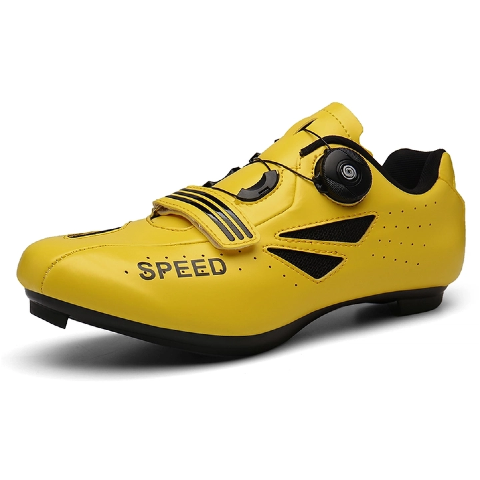
Commuters often need footwear that performs well on the bike while remaining comfortable for walking. Casual-style cycling shoes with recessed cleats or flat-compatible soles offer this balance.
Urban riders typically walk on pavement, office floors, or public spaces. In these cases, extreme sole stiffness may not be the priority. Instead, moderate support combined with comfortable walking performance becomes more relevant.
A commuter’s daily routine includes both cycling and walking. Selecting cycling shoes that align with this lifestyle ensures practicality without sacrificing stability during the ride.
For road cyclists covering extended distances, clip-in systems provide a secure pedal connection. This engagement enhances stability and reduces unintended foot movement.
Some riders upgrade their pedals first. Once clipless pedals are installed, compatible cycling shoes become necessary. Ensuring compatibility avoids inconvenience and maximizes the intended benefit of the pedal system.
Clip-in systems create a consistent connection between shoe and pedal. Many riders report increased confidence when pedaling steadily, particularly during structured training sessions.
If your feet shift frequently during rides, it may indicate insufficient grip or support. Cycling shoes are designed to reduce this instability.
Persistent discomfort after moderate distances often suggests that the sole is too flexible or lacks targeted support.
When increasing intensity, a stable shoe becomes more important. Instability during stronger efforts may signal that it is time to consider cycling-specific footwear.
Riding Situation | Regular Shoes Acceptable? | Cycling Shoes Recommended? | Why |
Short casual rides | Yes | Not necessary yet | Low performance demand |
Weekly fitness rides | Sometimes | Yes | Better stability and comfort |
Indoor cycling classes | Sometimes | Yes | Secure pedal engagement |
Long road rides | Rarely ideal | Strongly recommended | Efficiency and support |
Daily commuting | Sometimes | Depends on route | Balance of walkability and stability |
QuanZhou Asterism Import and Export Co., Ltd. is based in Jinjiang City, widely recognized for footwear manufacturing excellence. The company integrates design, development, production, and sales, allowing it to deliver consistent product quality.
Asterism’s cycling shoe collection is developed to meet varied usage scenarios, from entry-level comfort to performance-driven road designs. Each model reflects accumulated craftsmanship experience and practical riding requirements.
For business partners, customization adds strategic value. Asterism supports tailored designs, material adjustments, and branding elements. This flexibility benefits distributors, retailers, and sports brands seeking differentiated product offerings.
Rather than emphasizing unnecessary complexity, Asterism’s approach aligns footwear features with actual riding situations. Whether the rider is a commuter, fitness cyclist, or structured trainer, product development focuses on practical application.
The right time to invest in cycling-specific footwear usually comes before discomfort or inefficiency becomes a regular part of your ride. Once cycling turns into a routine rather than an occasional activity, the structural advantages of purpose-built designs become more meaningful. Riders exploring reliable and versatile bike riding shoes can find solutions tailored to diverse riding scenarios within Asterism’s collection. To learn more about available models or discuss customization requirements, contact us and explore how our cycling shoe range can support your market or riding goals.
Q1: When should I start using cycling shoes?
You should consider cycling shoes when your rides become longer, more frequent, or when foot discomfort starts to appear after moderate distances.
Q2: Do cycling shoes help beginners?
Yes, cycling shoes for beginners can provide improved stability and comfort, especially when learning consistent pedaling rhythm.
Q3: Are cycling shoes necessary for commuting?
They are not always required, but casual or commuter cycling shoes can improve stability while still allowing comfortable walking.
Q4: What is the main advantage of clip-in cycling shoes?
Clip-in cycling shoes create a secure connection to the pedal, which can enhance stability and control during longer or more structured rides.


