







| Quantity: | |
|---|---|


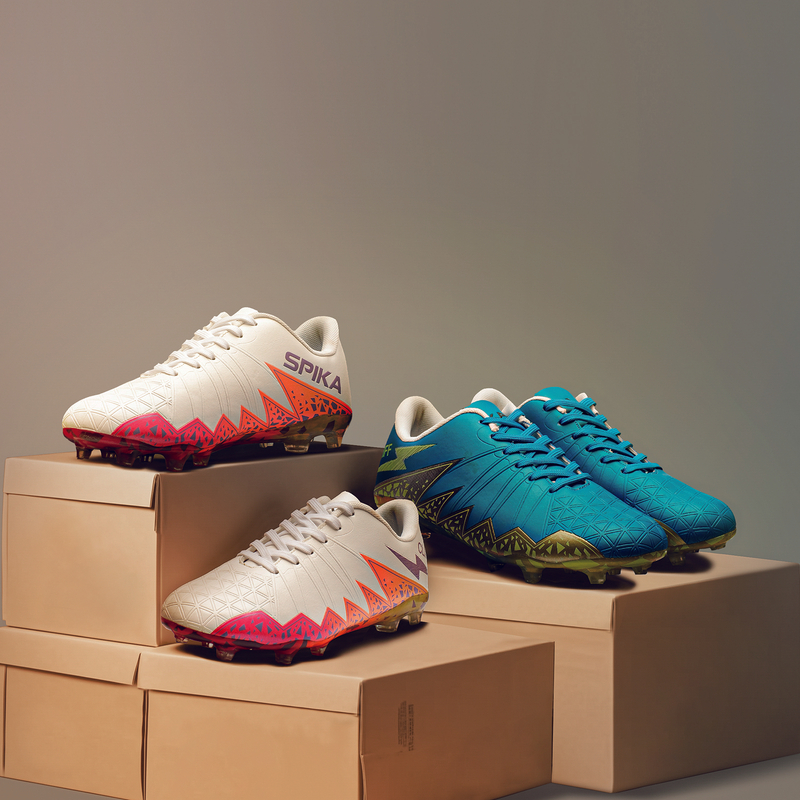
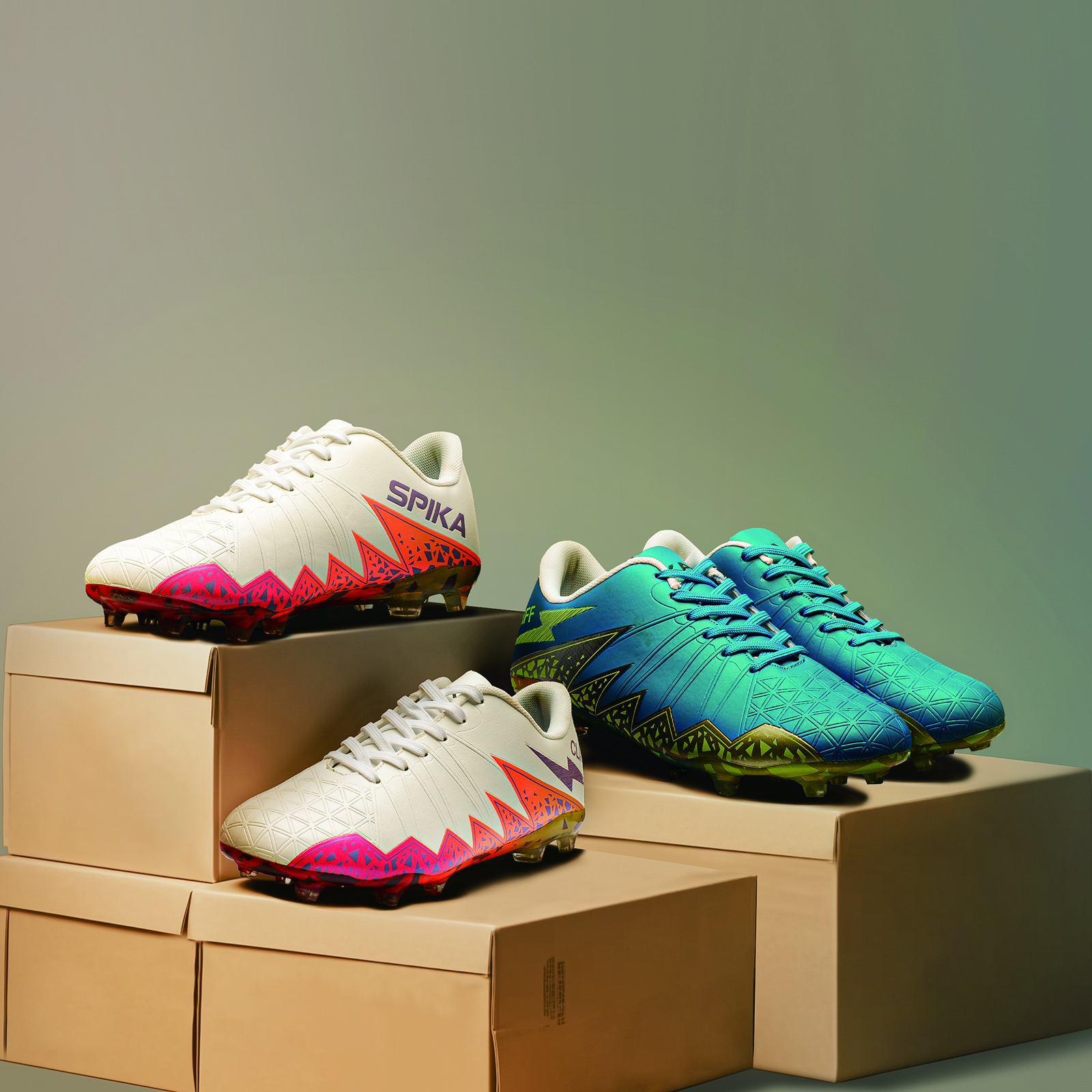
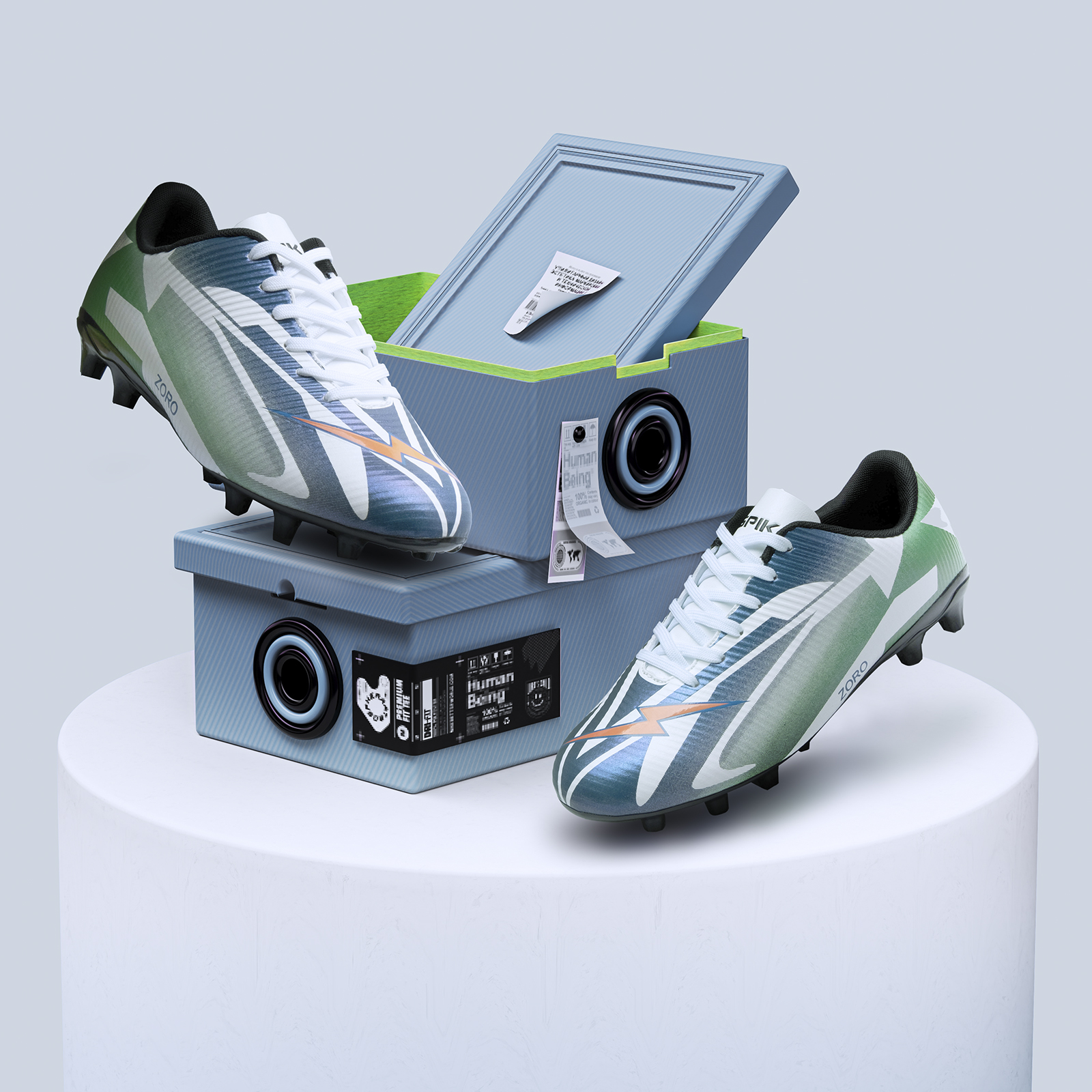
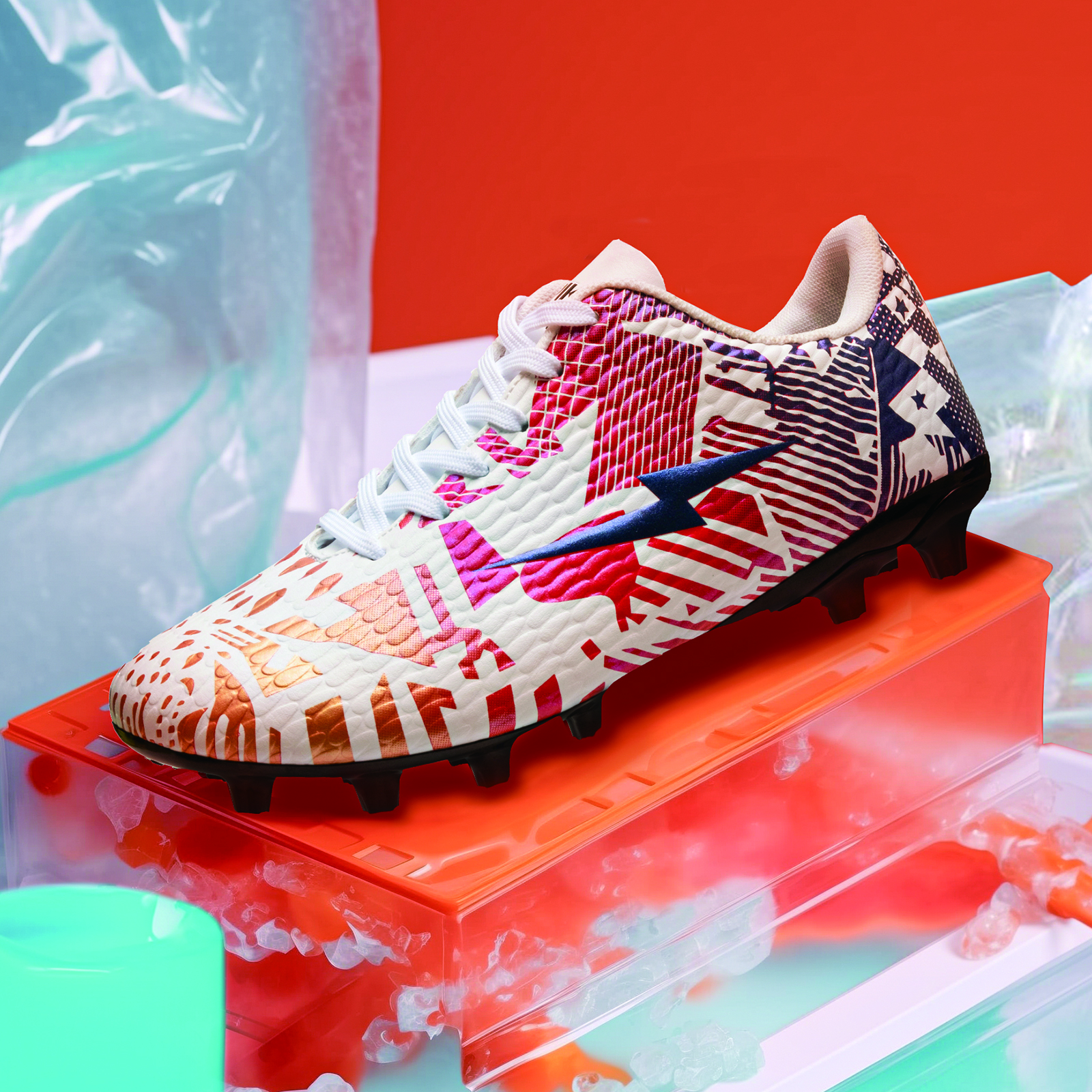
Model 2099-C is a low-top soccer cleat designed for amateur league matches, youth academy training, school sports programs, and recreational football. The cleat features a dual-stud TPU outsole with 12 bladed studs (12 mm) and 16 conical studs (8 mm), configured to provide traction on natural grass and compacted dirt surfaces. The upper is constructed from 1.2 mm thick PU leather with a matte finish, paired with a moisture-wicking mesh lining and a 3 mm EVA insole for basic cushioning. The low-top collar design allows unrestricted ankle flexion during direction changes. Available in EU sizes 32 through 46, the cleat supports custom logo application, Pantone colorway matching, and OEM/ODM modifications for commercial buyers.
The upper is made from 1.2 mm thick PU leather with a polyurethane coating and a fabric backing. Internal abrasion testing records surface integrity after 20,000 friction cycles under a 10 N load, with no coating delamination or substrate exposure. The toe box incorporates a reinforced synthetic overlay (1.8 mm thick) for impact protection during kicking and tackling. A full-length lacing system with 6 eyelet pairs distributes tension evenly across the instep, and a gusseted tongue prevents turf and dirt from entering the shoe interior during play. The tongue is constructed from the same PU leather with a mesh underside for ventilation.
The lining is a polyester mesh with a moisture-wicking finish, tested to reduce in-shoe relative humidity by 18% compared to a non-mesh synthetic lining during a 60-minute activity session at 25°C ambient temperature. The insole is a 3 mm thick EVA sheet with a density of 40 kg/m³, providing basic shock absorption during running and jumping. The insole is removable for drying or replacement. A TPU heel counter with a measured Shore D hardness of 65 is embedded in the rearfoot, measuring 2.5 mm at the posterior point and extending 45 mm up the heel counter for rearfoot stability during sprints and sudden stops.
The outsole is injection-molded from TPU with a measured Shore A hardness of 68 ± 2 and a plate thickness of 4.0 mm at the heel, tapering to 2.8 mm at the forefoot flex groove. The outsole incorporates a dual-stud configuration: 12 bladed studs measuring 12 mm in length with a 12 mm base width, positioned along the forefoot perimeter and medial edge for linear traction during sprinting; and 16 conical studs measuring 8 mm in length with a 10 mm base diameter, distributed across the midfoot and heel for rotational grip during direction changes. All studs are molded integrally with the outsole plate and are not replaceable. The total stud count of 28 distributes ground contact pressure across a larger area, reducing per-stud penetration on firm ground.
Coefficient of friction testing records 0.85 on dry natural grass and 0.71 on wet natural grass, measured per a modified SATRA TM144 protocol with a 500 N normal load. On compacted dirt, the measured COF is 0.78 dry and 0.62 wet. The cleat is designed for use on natural grass and compacted dirt surfaces. It is not suitable for use on artificial turf (the 12 mm bladed studs can cause excessive surface grip and increase ankle torsion risk) or indoor hard courts (studs can damage flooring and do not provide appropriate flat-surface traction).
Parameter | Specification |
|---|---|
Model Number | 2099-C |
Size Range | EU 32–46 |
Upper Material | 1.2 mm PU Leather (matte finish) |
Lining Material | Moisture-Wicking Polyester Mesh |
Insole | 3 mm EVA (40 kg/m³) |
Outsole Material | TPU (68 ± 2 Shore A) |
Stud Configuration | 12 bladed (12 mm) + 16 conical (8 mm) |
Single Shoe Weight (size 42) | 255 g |
COF on Dry Natural Grass | 0.85 |
COF on Wet Natural Grass | 0.71 |
Applicable Surfaces | Natural grass, compacted dirt |
The minimum order quantity is 500 pairs per colorway for standard production, with mixed size ratios available based on buyer-provided regional demographic data. A recommended size distribution for general retail and team supply is 10% sizes 32–38, 60% sizes 39–43, and 30% sizes 44–46, adjustable per market. Standard production lead time is 25–30 days after sample confirmation. Each pair is packed in an individual polybag with a desiccant packet, with 30 pairs per export carton measuring 62 cm × 42 cm × 32 cm and weighing 18 kg. Production undergoes three-stage quality inspection: incoming material testing (TPU hardness, PU leather thickness, mesh tear strength), in-line checks at 20%, 50%, and 80% production completion (stitching integrity, adhesive bond, dimensional accuracy), and final random sampling at AQL 2.5 for major defects. The factory provides a 6-month warranty against manufacturing defects, with replacement or credit issued for confirmed production issues. Sample orders are available with a 7-day production lead time, and sample costs are deducted from subsequent bulk orders.
OEM and ODM services support printed or embossed logos on the upper, tongue, and outsole heel plate. Custom colorway matching using Pantone references is available for orders exceeding 1,000 pairs. Branded packaging including custom shoe boxes, hang tags, and tissue paper is available for orders over 1,000 pairs. For orders exceeding 5,000 pairs, minor mold modifications are available to adjust last shape or stud configuration. Material substitutions (e.g., mesh upper instead of PU leather, different TPU hardness) can be accommodated based on specific performance requirements or price targets, with technical consultation provided during the development phase.
No. The 12 mm bladed studs are designed for natural grass penetration and can create excessive grip on artificial turf, increasing the risk of ankle torsion and knee injury during direction changes. On indoor hard courts, the studs can scratch and damage flooring and do not provide the flat-surface contact required for indoor football. For artificial turf use, a turf-specific (TF) outsole with shorter, denser studs is recommended. For indoor use, a flat-soled (IC/IN) shoe is required.
No. The dual-stud configuration is molded integrally with the TPU outsole plate, which provides structural durability compared to replaceable stud systems. The TPU compound is formulated to maintain traction properties through 1–2 seasons of regular use (3–5 sessions per week) based on internal wear testing. Once stud wear exceeds 30% of original length, the cleat should be replaced to maintain adequate traction.
After each use, remove surface dirt with a soft brush or damp cloth. For embedded dirt in stitching areas, use a soft-bristle brush with mild pH-neutral soap and warm water. Do not machine wash or fully immerse the cleats, as this can degrade the adhesive bond between the upper and outsole and cause the EVA insole to lose density. Air dry at room temperature away from direct sunlight or heat sources, which can cause the PU leather to crack and the TPU outsole to deform. Stuff the toe area with newspaper during drying to maintain shape.
For general retail and team supply markets, a standard distribution of 10% sizes 32–38 (youth and small adult), 60% sizes 39–43 (core adult range), and 30% sizes 44–46 (large adult) is recommended. For markets with a higher youth participation rate, the 32–38 proportion can be increased to 20–25%. For buyers focused on adult amateur leagues, the 39–43 range can be increased to 70%. Regional demographic data and historical sales performance should be used to refine the ratio for reorders.


