


Views: 0 Author: Site Editor Publish Time: 2026-03-23 Origin: Site


Are your soccer shoes holding you back on the field? A proper fit is crucial for performance and injury prevention. Ill-fitting shoes can lead to discomfort and hinder your game.
In this article, we’ll explore how soccer shoes should fit. You’ll learn about key factors like toe space, heel lock, and midfoot snugness. Get ready to elevate your game with the right fit!
When it comes to soccer shoes, the fit can make or break your performance on the field. A proper fit enhances control, comfort, and overall effectiveness during play. Here’s how:
● Control: Shoes that fit well allow for better ball control. When your feet are secure, you can make precise movements and quick changes in direction without losing your footing.
● Comfort: Uncomfortable shoes can distract you and hinder your focus on the game. Properly fitting soccer shoes should feel like a second skin, allowing you to play without irritation.
● Injury Prevention: Poorly fitting shoes can lead to various injuries, such as blisters, calluses, or even more severe issues like ankle sprains. A snug fit can help keep your foot stable, reducing the risk of injury during intense play.
Understanding the key components of a good fit is essential for selecting the right soccer shoes. Here are the main areas to consider:
● Toes: There should be enough space to wiggle your toes. Aim for about a thumb's width between your longest toe and the front of the shoe. This space prevents cramping and allows for natural movement.
● Heel: The heel should fit snugly without slipping. A secure heel lock minimizes movement, which can prevent blisters and enhance stability during sudden movements.
● Midfoot: The midfoot area should feel comfortably snug. It should hug your foot without causing pressure points. A good midfoot fit ensures that your foot remains stable during play.
● Width: The width is just as important as the length. Shoes that are too narrow can cause discomfort and restrict blood flow, while shoes that are too wide can lead to instability.
Here’s a simple table summarizing the key components of a good fit:
Component | Ideal Fit Characteristics |
Toes | 1 thumb width space |
Heel | Snug, no slipping |
Midfoot | Comfortably snug |
Width | Fits without squeezing |
Achieving the right balance between snugness and comfort is crucial. While a snug fit is essential for performance, it shouldn't come at the expense of comfort. Here are a few tips to help you find that balance:
● Try Different Brands: Each brand has its own sizing and fit characteristics. For example, Adidas soccer shoes tend to offer more room in the toe box, while Nike may provide a more streamlined fit.
● Wear Game Socks: Always try on soccer shoes with the socks you plan to wear during games. This will give you a better idea of how they will feel on the field.
● Test Them Out: When trying on shoes, walk around, jog, and even perform some quick cuts. This real-world testing will help you identify any potential fit issues.
In summary, understanding how soccer shoes should fit is key to enhancing your performance and preventing injuries. By focusing on the essential components of fit and finding the right balance between snugness and comfort, you’ll be better prepared to take on the field with confidence.
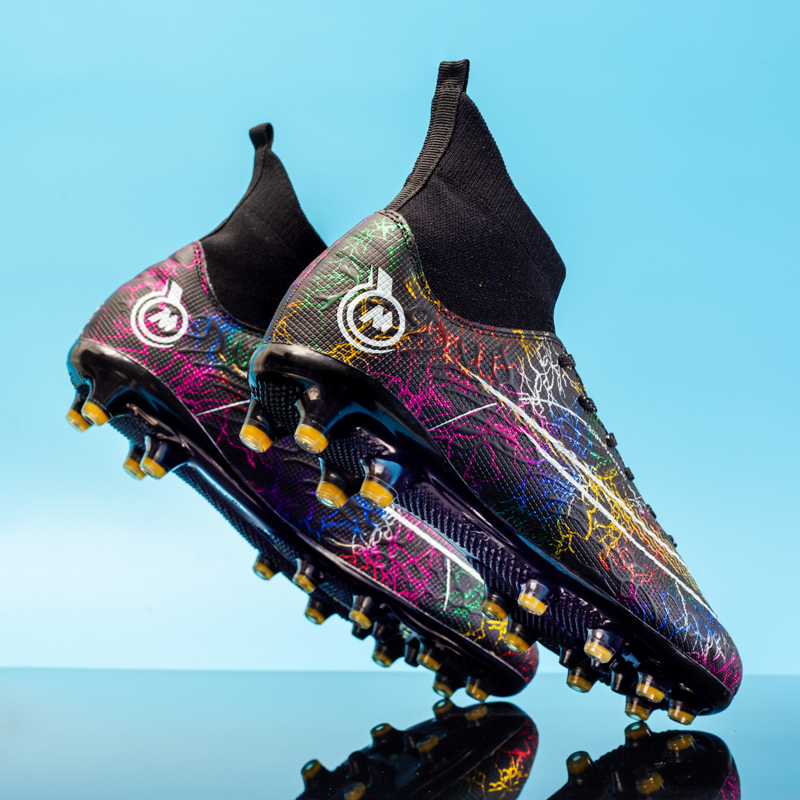
Getting the right fit for your soccer shoes starts with accurate measurements. Here's a step-by-step guide to ensure you measure your feet correctly:
1. Gather Your Supplies: You’ll need a piece of paper, a pencil, and a ruler or measuring tape.
2. Prepare the Paper: Place the paper on a flat surface against a wall. Make sure one end touches the wall.
3. Stand on the Paper: Position your foot so that your heel is slightly touching the wall. This helps you get the most accurate measurement.
4. Trace Your Foot: Using the pencil, trace the outline of your foot. Be sure to keep the pencil upright for an accurate shape.
5. Measure the Length: Use the ruler to measure the distance from the wall to the tip of your longest toe. Write down this measurement.
6. Measure the Width: Next, measure the widest part of your foot. This is often across the ball of your foot. Record this measurement as well.
7. Repeat for Both Feet: Most people have one foot that is slightly larger. Measure both feet and use the larger size for fitting.
It's best to measure your feet at the end of the day. This is when your feet are slightly swollen, giving you a more accurate size.
Shoe sizes can vary significantly between brands and styles. Here’s what you need to know:
● Brand Differences: Each brand may have its own sizing chart. For instance, Nike tends to run smaller and narrower, while Adidas often provides a roomier fit. Puma also has unique sizing characteristics that might differ from the others.
● Try Before You Buy: Always try on soccer shoes before making a purchase. Even if you know your size, different styles can fit differently.
● Sizing Charts: Refer to the manufacturer’s sizing chart for guidance. This can help you navigate the differences between brands.
Here’s a quick reference table to illustrate some common sizing differences among popular brands:
Brand | Size Characteristics | Fit Type |
Nike | Runs small, narrow | Snug fit |
Adidas | True to size, wider fit | Comfortable fit |
Puma | Slightly tight in midfoot | Performance fit |
When shopping for soccer shoes, keep these variations in mind. It’s always a good idea to wear the socks you plan to use during games when trying on shoes. This ensures you get the best fit possible.
By following these steps and understanding shoe size variations, you can find the perfect soccer shoes that enhance your performance on the field. Remember, the right fit is key to comfort and control during play.
The fit of your toes is crucial for comfort and performance. Ideally, there should be about a thumb's width of space between your longest toe and the front of the shoe. This allows for natural toe movement and prevents cramping during play.
● Wiggle Room: It's essential to have some wiggle room. This space not only enhances comfort but also helps avoid blisters and other foot issues. If your toes are cramped, it can lead to discomfort and impact your game.
● Testing the Fit: When trying on soccer shoes, stand up and push your foot forward. You should feel the front of the shoe, but your toes shouldn’t touch the end. If they do, consider a larger size.
A secure heel fit is vital for stability during quick movements. This is often referred to as "heel lock." A well-fitted heel should feel snug without excessive pressure.
● Signs of a Secure Fit: When your heel is locked in properly, you shouldn’t feel any slipping when you walk or run. If your heel lifts out of the shoe, it can lead to instability and increase the risk of injury.
● Testing for Stability: To test the heel fit, lace up the shoes tightly and perform a few quick steps. If your heel stays in place, you’ve found a good fit. If not, you may need to try a different model or size.
The midfoot area is another critical component of fit. It should feel snug but not overly tight. A good midfoot fit helps keep your foot stable during play.
● Assessing Midfoot Fit: When you try on soccer shoes, pay attention to how the midfoot feels. It should hug your foot comfortably without causing any pressure points. If you feel pinching, the shoes may be too tight.
● Width Considerations: Width is just as important as length. Shoes that are too narrow can lead to discomfort and restrict blood flow, while shoes that are too wide can cause instability.
Here’s a quick reference table to summarize the key fit guidelines:
Component | Ideal Fit Characteristics | Importance |
Toe | 1 thumb width space | Comfort and movement |
Heel | Snug, no slipping | Stability and injury prevention |
Midfoot | Comfortably snug | Foot stability |
Width | Fits without squeezing | Prevents discomfort |
By focusing on these fit guidelines, you can ensure your soccer shoes provide the comfort and support needed for peak performance. Whether you're on the field for practice or a match, the right fit can enhance your game and keep you injury-free.
When it comes to youth soccer players, selecting the right fit is crucial. Kids grow quickly, so it’s important to allow room for growth in their soccer shoes. Here are some tips for parents to consider:
● Growth Room: Aim for about half a thumb's width of space at the front of the shoe. This ensures comfort while allowing for natural growth.
● Comfort and Support: Look for shoes that provide good arch support and cushioning. Young players need shoes that keep their feet comfortable during long practices and games.
● Brands to Consider: Asterism Soccer Shoes are a great choice for youth players. They focus on comfort and performance, making them ideal for developing athletes.
Not every player has the same foot shape, and finding the right soccer shoes can be challenging for those with unique feet. Here’s how to accommodate different foot types:
● Wide Feet: If you have wider feet, look for brands like Adidas. They often offer models designed for a roomier fit, ensuring comfort and stability.
● Narrow Feet: For players with narrower feet, Nike Mercurial models are a popular choice. They provide a snug fit that enhances control without sacrificing comfort.
● High-Arched Feet: Players with high arches should seek shoes with good arch support. Brands like New Balance often cater to this foot shape, offering extra cushioning and support.
● Flat Feet: If you have flat feet, look for soccer shoes with a wider base and more cushioning. Brands like Asics provide models specifically designed for flat-footed players.
Here’s a quick reference table summarizing recommendations for different foot shapes:
Foot Type | Recommended Brands/Models | Key Features |
Wide Feet | Adidas | Roomy fit, stability |
Narrow Feet | Nike Mercurial | Snug fit, enhanced control |
High-Arched | New Balance | Good arch support, cushioning |
Flat Feet | Asics | Wider base, extra cushioning |
Choosing the right soccer shoes is essential for both comfort and performance, especially for youth players and those with unique foot shapes. By considering these factors, players can ensure they have the best footwear for their needs, enhancing their overall experience on the field.
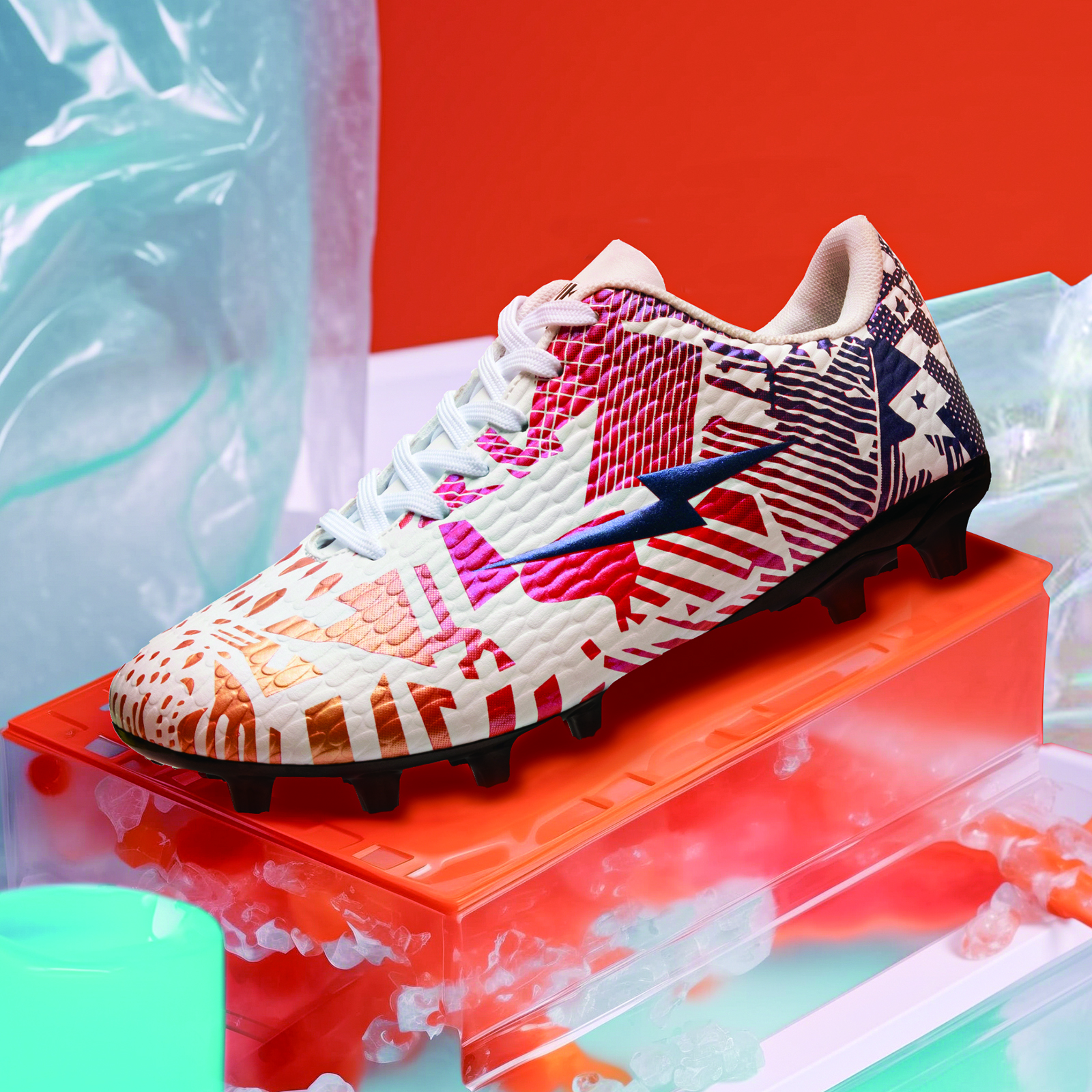
When choosing soccer shoes, the material plays a significant role in fit and comfort. Here’s a comparison of leather and synthetic options:
● Leather Shoes: These are known for their ability to mold to your foot over time. They provide a snug fit that enhances ball control. Leather is also durable and offers a classic feel. However, it may require more time to break in.
● Synthetic Shoes: Generally lighter and more water-resistant, synthetic materials offer a more consistent fit right out of the box. They tend to stretch less than leather, providing a more uniform feel. However, some players find them less comfortable over long periods.
For players who prefer a snug fit and are willing to invest time in breaking in their shoes, leather may be the better option. On the other hand, if you need something lightweight and ready to wear, synthetic shoes could be the way to go.
Getting used to new soccer shoes is crucial to avoid blisters and discomfort. Here are some tips to ease into your new footwear:
● Gradual Wear: Start by wearing your new shoes for short periods. Gradually increase the time you spend in them. This helps your feet adjust without overwhelming them.
● Proper Care: Take care of your shoes during the break-in period. For brands like Nike and Puma, follow specific care instructions. This might include using a leather conditioner for leather shoes or ensuring synthetic shoes are kept clean and dry.
● Blister Prevention: To minimize the risk of blisters, wear moisture-wicking socks and consider using blister prevention pads on high-friction areas.
Here’s a handy table summarizing the characteristics of leather and synthetic soccer shoes:
Material | Fit Characteristics | Advantages | Disadvantages |
Leather | Molds to foot, snug fit | Durable, excellent ball control | Longer break-in time |
Synthetic | Consistent fit, lightweight | Ready to wear, water-resistant | Less stretch, may feel rigid |
Understanding the role of shoe materials in fit can significantly affect your performance on the field. Whether you choose leather or synthetic soccer shoes, taking the time to break them in properly will help ensure comfort and enhance your game.
Finding the right fit for soccer shoes is crucial. Proper fit enhances comfort and performance on the field.
Prioritize fit to avoid injuries and improve your game.
Visit local stores or check online retailers to discover the perfect soccer shoes for your needs.
A: Measure your feet and refer to brand-specific sizing charts for accurate fit.
A: Soccer shoes should fit snugly, allowing for a thumb's width of space at the toe.
A: It's not recommended; soccer shoes provide better traction and support for the sport.
A: Replace them every 6-12 months, or sooner if you notice wear and reduced performance.
A: Gradually break them in, or consider a larger size for comfort and performance.


