


Views: 0 Author: Site Editor Publish Time: 2026-06-12 Origin: Site


Step onto the pitch in the wrong footwear, and your match impact drops instantly. Wearing improper cleats leads directly to poor traction, rapid degradation, and alarming injury risks. You might face devastating ACL tears or agonizing foot blisters. Brand marketing campaigns often distract eager buyers. They push flashy colors and famous names over functional safety. This forces players into making poor investments.
This guide provides a definitive, objective evaluation framework. It helps you cut through the loud advertising noise. You will learn to select the exact footwear based on playing surface, biomechanical fit, and material technology. We designed this resource for players, coaches, and equipment buyers. You are ready to make a highly informed purchase. You demand quality equipment. You refuse to sacrifice on-field performance or long-term safety. Let us explore the mechanics behind proper boot selection. You will learn to optimize your gear choice for every match condition.
You must establish a primary filter for buying your footwear. The soleplate determines your success and safety on the pitch. Wearing the wrong stud pattern causes major issues. It remains the leading cause of shoe failure. More importantly, incorrect studs trigger severe lower-body injuries. Your joints endure immense stress during aggressive direction changes. The correct soleplate manages this friction safely.
Different environments demand specific stud geometries. You cannot use one pair of Soccer Shoes across every single surface. Modern brands design outsoles using strict biomechanical data. They tailor the grip level to the density of the ground. Choosing correctly protects your knees, ankles, and Achilles tendons.
| Surface Type | Abbreviation | Stud Characteristics | Primary Use Case |
|---|---|---|---|
| Firm Ground | FG | Longer, molded plastic studs. Usually bladed or conical. | Natural, dry, and moderately firm grass fields. |
| Artificial Grass | AG | Shorter, circular, hollow, and highly numerous studs. | Modern synthetic turf (3G/4G) featuring rubber crumb infill. |
| Soft Ground | SG | Long, interchangeable metal screw-in studs. | Wet, muddy, and deeply saturated natural grass. |
| Turf | TF | Very short, dense rubber nubs covering the whole sole. | Older, shallow carpet-like artificial turf. |
| Indoor | IN | Flat, non-marking rubber outsoles featuring grip treads. | Hard wood, concrete, or polished indoor courts. |
Firm Ground (FG) models perform beautifully on natural, dry grass. They feature molded plastic studs engineered to penetrate real soil. Artificial Grass (AG) boots serve a completely different purpose. They tackle modern synthetic turf perfectly. AG soleplates feature shorter, circular, and more numerous studs. This design distributes your body weight evenly. It prevents the shoe from getting stuck in sticky artificial turf fibers.
Soft Ground (SG) options exist strictly for wet, muddy natural grass. They feature long, interchangeable metal studs. These metal points deliver maximum soil penetration. Turf (TF) models use short rubber nubs for older, carpet-like artificial fields. Indoor (IN) shoes utilize flat, non-marking rubber outsoles. These grip hard court surfaces effectively.
Note: Using FG (Firm Ground) cleats on AG (Artificial Grass) surfaces will significantly increase the risk of knee injuries. This happens due to excessive rotational traction. The long studs lock into the plastic mesh. When you twist your body, the boot stays planted. This transfers devastating torque directly to your knee ligaments. Furthermore, wearing FG boots on artificial turf immediately voids most manufacturer warranties.
Upper materials define the boot's structural integrity and your tactile experience. Every material behaves differently upon striking a ball. We must objectively compare the structural and performance differences characterizing primary boot materials. Your choice alters break-in times, water resistance, and overall longevity.
You must evaluate these traits against your personal playing reality. Assess the trade-off carefully. Do you need extreme durability for high-frequency daily training? Or do you prioritize lightweight benefits for explosive match-day performance? Synthetic models survive abrasive conditions better. Leather models demand careful maintenance but reward you via unmatched comfort. Knits bridge the gap but command higher prices.
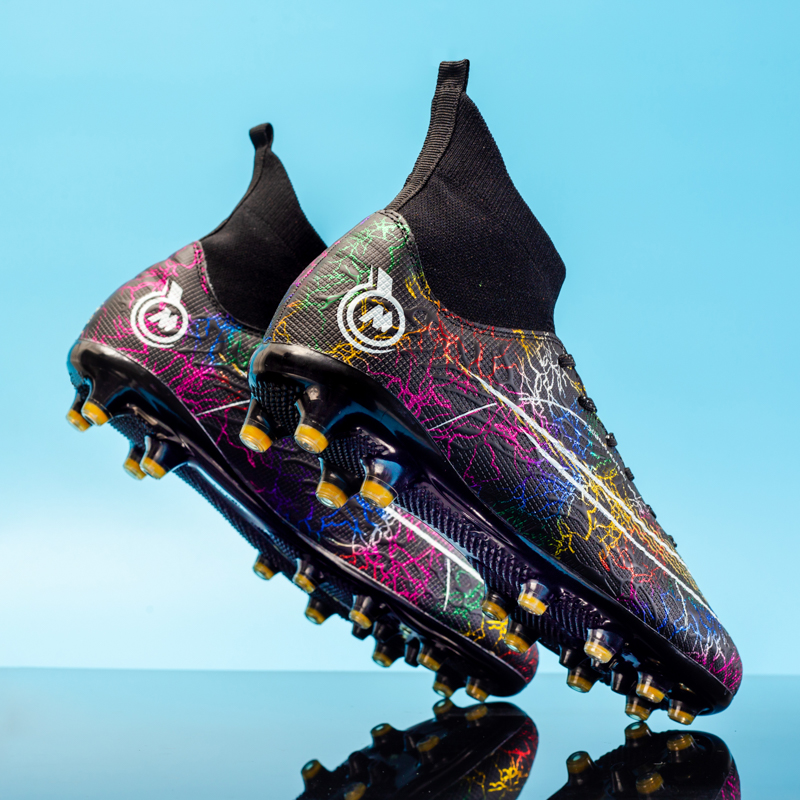
Premium upper materials determine the touch and longevity of your soccer footwear.
Brands confuse buyers using abstract marketing names. They group footwear into distinct product silos. You might see Nike Mercurial competing against Tiempo. You might compare Adidas X alongside Copa. We must navigate these brand silos by understanding their functional categories. Field positions dictate specific biomechanical movements. Your boots should amplify these exact movements.
Tip: Equipment managers or coaches outfitting a team frequently face diverse foot shapes. Standardizing on a "Comfort/Heritage" silo makes bulk purchasing infinitely easier. A classic leather boot ensures the highest compatibility across a roster. Leather stretches to accommodate different anatomies. It provides reliable safety for every playing style.
A sloppy fit ruins the best technology. You need actionable advice on achieving perfect lockdown. Lockdown prevents internal foot slippage. Slippage causes severe blistering and massive energy loss during sprints. Sizing realities in this sport surprise many beginners. Sports Shoes designed for running usually require extra toe room. Soccer cleats must fit much more snugly.
Aim for a maximum of a thumb-width of space at the toe. Any more space compromises your shooting accuracy. Any less space bruises your toenails. Always try boots on while wearing your actual match socks. Match socks alter the internal volume significantly.
Identify your foot shape accurately. Do you have wide or narrow feet? Speed boots typically utilize a narrow last. They hug the foot tightly to reduce drag. Players possessing wide feet often suffer in speed silos. Instead, wide-footed players should seek leather options. Leather stretches dynamically. Some brands also release specific wide-fit variants for their most popular models.
| Collar Style | Mechanism | Best For | Potential Drawbacks |
|---|---|---|---|
| Laced | Traditional shoelaces adjust tension manually across the midfoot. | Players requiring customizable lockdown. Extremely high or low arches. | Laces can interfere slightly with the pure striking surface. |
| Laceless | Elastic knitted collars compress the foot to maintain structural hold. | Players wanting a totally clean, uninterrupted striking surface. | Elastic can stretch out over time. Can cause pain for very high insteps. |
Laced collars remain the safest choice for most anatomies. They offer highly customizable lockdown. You can tighten the lower section while loosening the top. Laceless boots look incredibly sleek. They provide a massive, clean striking surface. However, they rely entirely on the elastic collar for compression. If your foot shape does not match the manufacturer's exact mold, you will experience dangerous heel slippage. Laceless models also stretch out slightly over a long season.
Major brands structure their pricing carefully. They create distinct tiers for the exact same visual design. You must demystify these tiers to maximize your investment. The visual differences look minimal. The structural differences feel massive. We typically divide these models into Elite, Pro, and Academy tiers.
Elite or Top-Tier models cost $250 and above. These feature the newest research and development. They utilize the lightest materials available globally. They feature premium, highly responsive soleplates. Elite boots serve highly competitive players perfectly. At the professional level, marginal weight gains actually matter. However, the ultra-thin materials sometimes sacrifice long-term durability for peak match-day performance.
Pro or Mid-Tier models range between $120 and $180. These boots often use the exact same tooling as the Elite tier. However, brands swap highly specialized, fragile materials for more durable alternatives. A Pro model might use a slightly thicker synthetic upper. It offers the highest overall return on investment. You get phenomenal performance alongside robust longevity.
Academy or Entry-Tier models cost between $50 and $90. These utilize basic synthetic uppers. They feature heavier, stiffer plastic soleplates. You lose the barefoot feel and the advanced grip textures. However, these models withstand incredible abuse. They suit rapidly growing youth players perfectly. They also serve casual weekend warriors well.
Note: High-end elite models optimize entirely for peak performance, not necessarily longevity. A mid-tier boot will often outlast an elite boot in abrasive training conditions. Do not assume higher prices guarantee longer lifespans. Buy for your reality, not for a professional stadium.
A: Yes, AG cleats generally perform safely on firm natural grass. They offer slightly less bite than dedicated FG studs, but they provide excellent stability and weight distribution. However, the reverse scenario (wearing FG on AG) is highly discouraged due to extreme injury risks.
A: Synthetic and knitted boots require minimal break-in time. They usually feel ready after one or two light training sessions. Traditional leather boots may take three to five sessions. The natural fibers need time to fully stretch and mold to your specific foot anatomy.
A: No. Professionals wear highly customized versions tailored to their exact foot molds. These bespoke boots often feature modified soleplates, altered internal padding, or specific material reinforcements unavailable at retail. You should evaluate retail shoes based strictly on retail specifications, ignoring professional endorsements.


