


Views: 0 Author: Site Editor Publish Time: 2026-01-06 Origin: Site


Do you know that the right pair of soccer shoes can make or break your game? Whether you're a professional, an aspiring amateur, or someone who plays casually, choosing the right soccer shoes is crucial for both performance and safety. Soccer shoes, or cleats, are specially designed to help you grip the field and prevent injuries.
In this guide, we’ll cover everything you need to know about choosing the best soccer shoes for different surfaces, including grass, turf, and indoor courts. You'll learn how to pick the perfect pair to enhance your performance and prevent injuries.
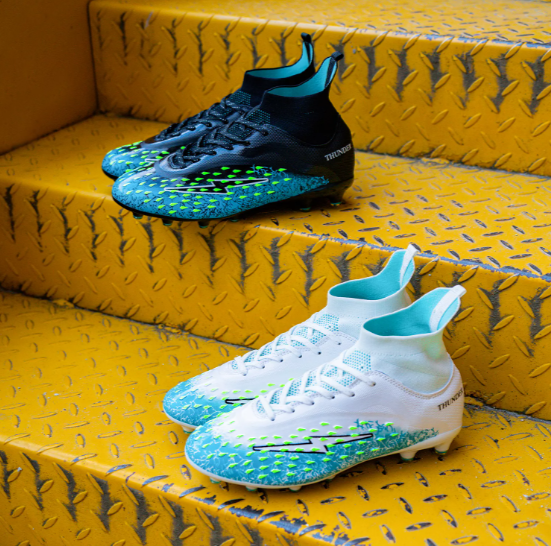
Soccer shoes, or cleats, are specialized footwear designed to provide players with the necessary traction and support on different playing surfaces. They have studs (metal or plastic) on the outsole to help players grip the ground while running, turning, and pivoting. The right pair of shoes can make a significant difference in your performance by improving speed, control, and comfort, while also preventing injuries like ankle sprains, shin splints, and even more serious knee or ligament injuries.
Wearing soccer shoes tailored for specific surfaces ensures proper traction and stability. For example, on grass fields, shoes with longer, conical studs provide the best grip and prevent slipping. For indoor courts, flat soles are essential to avoid sliding, while artificial surfaces require a different stud configuration to accommodate the synthetic material. Having the right pair of shoes for each environment not only enhances performance but also provides a safer playing experience.
When choosing the right soccer shoes, the fit and design are critical factors that directly influence performance. Here’s a breakdown of key features to look for:
Stud Types: The studs on soccer shoes come in various shapes, sizes, and configurations. Bladed studs are typically designed for players who require quick acceleration and directional changes, while conical studs offer better all-around grip with greater maneuverability. The stud length and shape also play a role in providing traction for specific field conditions.
Upper Materials: The upper part of the shoe can be made from leather, synthetic materials, or knitted fabric. Leather offers durability, comfort, and a classic feel, but it can be heavier and requires maintenance. Synthetic options are often lighter, more breathable, and easier to care for, though they may not provide the same level of comfort or durability as leather. Knit fabrics are gaining popularity due to their flexibility and sock-like fit.
Fit: A proper fit is essential for comfort, control, and injury prevention. Soccer shoes should fit snugly, offering support around the heel to prevent slipping while allowing for a little toe space (approximately 5-7 mm) to avoid discomfort. Shoes should match the width of your foot to prevent pinching, and players with high insteps may need shoes with more volume or adjustable lacing for a better fit.
| Surface Type | Shoe Type | Ideal Features | Best For |
|---|---|---|---|
| Natural Grass (Dry) | Firm Ground (FG) | Short, conical or bladed studs for solid grip | Firm, dry grass fields |
| Natural Grass (Wet) | Soft Ground (SG) | Longer, removable metal studs for better traction in soft ground | Wet, muddy fields |
| Artificial Turf | Artificial Ground (AG) | Small conical studs, durable synthetic uppers | Artificial grass surfaces, synthetic turf |
| Indoor Courts | Indoor (IN) | Flat, non-marking soles for grip without scuffing | Indoor courts, futsal |
| Turf/Hard Surfaces | Turf (TF) | Small rubber nubs or flat soles for traction and comfort | Artificial turf, small fields |
Grass fields are the most traditional soccer playing surface, but the conditions can vary dramatically depending on whether the field is dry, firm, or wet and muddy. Choosing the right pair of shoes for grass is essential for grip, speed, and injury prevention.
Firm Ground (FG): Ideal for dry, firm grass surfaces. These shoes typically have short, conical or bladed studs that provide solid grip without digging too deep into the ground. FG shoes are perfect for dry conditions, where you need stability and speed without risking ankle strain or fatigue.
Soft Ground (SG): Perfect for wet, muddy fields where traction is more challenging. These shoes have longer, often metal, studs to provide better grip on soft surfaces. Metal studs are removable, allowing you to adjust them for varying conditions, whether it's a heavy rainstorm or just a slightly damp field. SG shoes are ideal for heavy rain or winter conditions.
Artificial grass (AG) and turf fields (TF) require different shoes compared to natural grass because the material is synthetic and can be harder on your feet.
Artificial Ground (AG) shoes are designed for artificial grass surfaces, offering smaller, conical studs that provide a stable grip without causing excess wear on the turf. These shoes are typically made with durable, synthetic uppers that can withstand the harsh conditions of artificial surfaces while still offering comfort and flexibility. The studs on AG shoes are shorter than those on FG shoes, as they are designed to prevent damage to the turf and reduce stud pressure on the feet.
Turf (TF) shoes are designed for synthetic turf with very short, dense grass or rubber pellets. They have small, rubber nubs or flat soles that provide traction and comfort while reducing pressure on your joints. TF shoes are often used for indoor play, smaller artificial fields, or futsal games, where stability and control are paramount.
Indoor soccer or futsal requires specialized footwear to ensure maximum traction and control on smooth, hard surfaces. Unlike outdoor shoes, these shoes do not require studs and instead feature flat soles to provide optimal grip on indoor courts.
Indoor (IN) shoes are designed specifically for hard courts, providing excellent grip for quick movements, stops, and changes of direction. These shoes have flat, non-marking soles to prevent scuffing or damaging indoor surfaces while ensuring players don’t slip during the game.
Futsal Shoes are typically lightweight with a flexible upper that allows for natural movement of the foot. They are designed to enhance ball control and agility, making them ideal for small-sided games played on smooth, indoor floors.
For players who often switch between different surfaces, Multi-Ground (MG) shoes are an excellent option. These shoes feature a hybrid design that combines features from FG and AG shoes, making them versatile enough for both natural and artificial surfaces. MG shoes typically have shorter, conical studs that offer a balance between traction on firm ground and comfort on synthetic turf.
MG shoes are perfect for players who play on various surfaces throughout the season. Whether you're on natural grass, artificial turf, or hybrid fields, MG shoes provide an all-in-one solution, saving you the trouble of buying multiple pairs of shoes. They offer enough grip for grass without causing excessive wear on artificial surfaces.
Rotating between different pairs of shoes for different surfaces is essential for maintaining performance and prolonging the life of your shoes. For example, using your AG shoes exclusively on artificial turf prevents unnecessary wear and tear, while FG shoes are reserved for grass fields.
Why Rotate?: Using the right shoe for each surface maximizes grip, comfort, and injury prevention. It also ensures that your shoes remain in good condition for longer, saving you money in the long run.
Stud configuration is crucial when selecting soccer shoes, as different shapes and lengths affect the way the shoe grips the surface.
Bladed studs are designed for players who require quick acceleration and directional changes. They work well on firm, natural grass, where you need to make fast movements with stability.
Conical studs are rounded, providing a smooth transition when changing direction. This makes them ideal for soft ground and artificial surfaces, where you may need more agility and flexibility.
The upper part of the shoe can significantly impact comfort and durability. Choosing between leather and synthetic materials depends on personal preferences and playing conditions.
Leather uppers are known for their durability, natural feel, and comfort. They mold to the foot over time and provide a classic, premium touch for ball control.
Synthetic materials are lighter, more breathable, and often more affordable. They require less maintenance and are perfect for players who prioritize comfort and flexibility.
A well-fitting soccer shoe is essential for preventing injuries and improving performance. A good fit ensures that your feet are supported during quick movements and that the shoes don’t cause blisters or discomfort during long matches.
Length: Ensure there’s about 5-7 mm of space in the toe area to prevent discomfort.
Width: Match the shoe’s width to your foot to avoid pinching and rubbing, which can lead to blisters.
It’s easy to get caught up in the trend of flashy shoes endorsed by professional players, but style should never outweigh function. Choosing shoes based solely on popularity may result in discomfort or poor performance on the field.
Style over substance: Shoes that look good but don’t offer the right fit or traction can lead to injury or poor performance.
Using soccer shoes designed for one surface on another can lead to discomfort and injuries. For example, wearing FG shoes on artificial turf increases pressure on your knees and joints.
Risk of injury: Using shoes with the wrong stud configuration can cause slips, reduced stability, and joint stress.
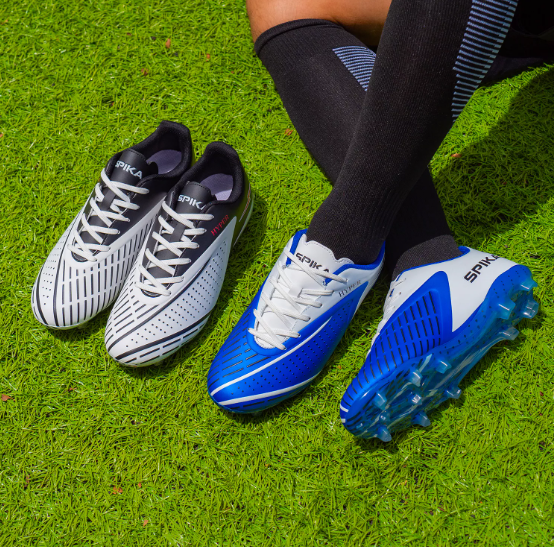
Selecting the right soccer shoes for your playing surface is crucial to enhancing performance and reducing injuries. By considering important factors like stud configuration, fit, and design tailored to specific surfaces, you can make an informed decision that aligns with your playing style.
Investing in quality soccer shoes that match your conditions will give you a competitive edge. QuanZhou Asterism Import and Export Co., Ltd. provides soccer shoes designed to meet various surface requirements, ensuring optimal comfort, traction, and durability.
A: Soccer shoes, or cleats, are designed to provide traction and support on various surfaces. They enhance performance, prevent injuries, and help maintain stability on the field.
A: When choosing soccer shoes, consider the surface type. For grass fields, opt for firm ground (FG) shoes. For artificial grass, use artificial ground (AG) or turf (TF) shoes. Indoor courts require flat, non-marking shoes.
A: Firm Ground (FG) shoes are for dry, firm grass surfaces, while Soft Ground (SG) shoes feature longer studs for better traction on wet, muddy conditions.
A: No, using firm ground shoes on turf can damage the surface. Use AG or TF soccer shoes designed for artificial surfaces for the best grip and support.
A: Soccer shoes range from $30 for entry-level models to $100-$300 for professional-grade shoes, depending on quality and brand.
A: Proper fit is crucial for preventing blisters, improving control, and ensuring comfort. Well-fitted shoes reduce the risk of injury during rapid movements or directional changes.


