


Views: 0 Author: Site Editor Publish Time: 2026-07-29 Origin: Site


Selecting the correct footwear for the pitch goes far beyond basic aesthetics and brand preferences. Mismatched boots lead to compromised biomechanics, restricted movement, and accelerated fatigue during intense matches. Worse, using the wrong stud pattern drastically increases your risk of severe joint injuries, including devastating ACL tears. Modern Soccer Shoes fall into highly specific performance tiers, engineered materials, and nuanced traction systems.
Because of this modern complexity, buyers need a precise, objective evaluation framework. You must accurately match the boot to your unique anatomical profile and your primary playing environment. We designed this guide to provide an evidence-based, decision-stage checklist. We will help you thoroughly evaluate playing surface requirements, compare advanced upper materials, and measure proper fit metrics. Applying these professional insights ensures optimal performance, superior comfort, and a much safer experience on the field.
Traction dictates safety: Playing surface dictates the outsole; using Firm Ground (FG) cleats on Artificial Grass (AG) drastically increases knee and ankle injury risks.
Material impacts touch and durability: Leather offers adaptive fit and natural touch, while modern synthetics provide lightweight lockdown and weather resistance.
Fit overrides brand loyalty: Optimal fit requires zero heel slippage and no more than a thumb’s width of space in the toe box; buying oversized cleats for youth players degrades performance and safety.
Price corresponds to tech, not necessarily lifespan: Elite-tier boots prioritize lightweight performance over long-term durability compared to mid-tier (takedown) alternatives.
The single most critical decision in purchasing Sports Shoes for soccer is selecting the correct outsole. Mismatching the stud configuration to the pitch type causes rotational traction overload. Essentially, your cleats get stuck in the turf during a pivot. This traps the foot while the knee keeps turning. Alternatively, using insufficient studs on wet grass causes dangerous slippage and groin strains.
Manufacturers design distinct soleplates to manage the specific friction and depth of different surfaces. You must evaluate where you play most frequently before examining any other boot feature.
Firm Ground (FG): Designed exclusively for natural, dry, or slightly damp grass. These feature molded plastic studs. They typically use bladed shapes for aggressive forward acceleration or conical shapes for rotational freedom. Do not use FG outsoles on older artificial turf. The studs penetrate too deeply and refuse to release.
Artificial Grass (AG): Engineered specifically for modern synthetic turf. AG plates feature shorter, more numerous, and often hollowed-out conical studs. They distribute your body weight evenly across the plastic surface. This prevents excessive heat buildup and allows safe pivoting without locking into the synthetic mesh.
Soft Ground (SG): Built for wet, muddy natural grass. SG boots utilize longer, interchangeable metal studs. They bite deep into saturated soil to prevent slipping. Note carefully: Many youth leagues strictly ban metal studs for player safety.
Turf (TF) & Indoor (IN): TF shoes use dozens of flat rubber nubs. They provide grip on thin carpet turf or frozen, rock-hard dirt. Indoor shoes feature completely flat rubber outsoles. They deliver maximum surface contact on polished wooden or concrete hard courts.
Pro Tip: Many players cannot afford separate boots for every surface. If you need a single pair for multi-surface use, look for Multi-Ground (MG) models. Dedicated Artificial Grass (AG) outsoles also offer excellent cross-compatibility. They handle modern synthetic pitches perfectly and perform adequately on dry natural grass.
Blisters, black toenails, and rolled ankles rarely indicate poor manufacturing. They typically serve as direct symptoms of poor fit. Your boots must act as a second skin. They should wrap securely around the foot without restricting essential blood flow. Achieving this balance requires testing specific volumetric criteria.
Ignore standard street shoe sizing. Athletic footwear lasts follow different proportions. Evaluate the fit using these three proven benchmarks:
The Toebox Rule: Leave exactly 1/4 to 1/2 inch of space between your longest toe and the end of the boot. This equals roughly the width of your thumbnail. Too much space causes your foot to slide forward upon impact. Too little space results in bruised nailbeds during hard deceleration.
Width and Foot Shape: Brands and specific boot silos vary drastically in width. Assess your distinct foot shape. Determine if you have a wide forefoot, a narrow heel, or a high instep. Never size up simply to gain more width. Doing so misaligns the entire shoe and destroys heel lockdown. Instead, switch to a brand or model known for wider lasts.
Midfoot Lockdown & Heel Slippage: The upper must wrap your midfoot securely. Lacing the boot tightly should not cause the upper materials to bunch or overlap. Perform a vigorous stride test. If your heel lifts or rubs against the back of the boot, the shoe is incompatible with your anatomy.
Note for Parents and Coaches: For youth academies or bulk team purchases, strictly avoid the "buy a size up so they grow into it" mentality. Oversized boots misalign the flex zones of the shoe with the natural flex point of the foot. This stresses the plantar fascia. It leads to arch pain, poor technique, and immediate performance drops.
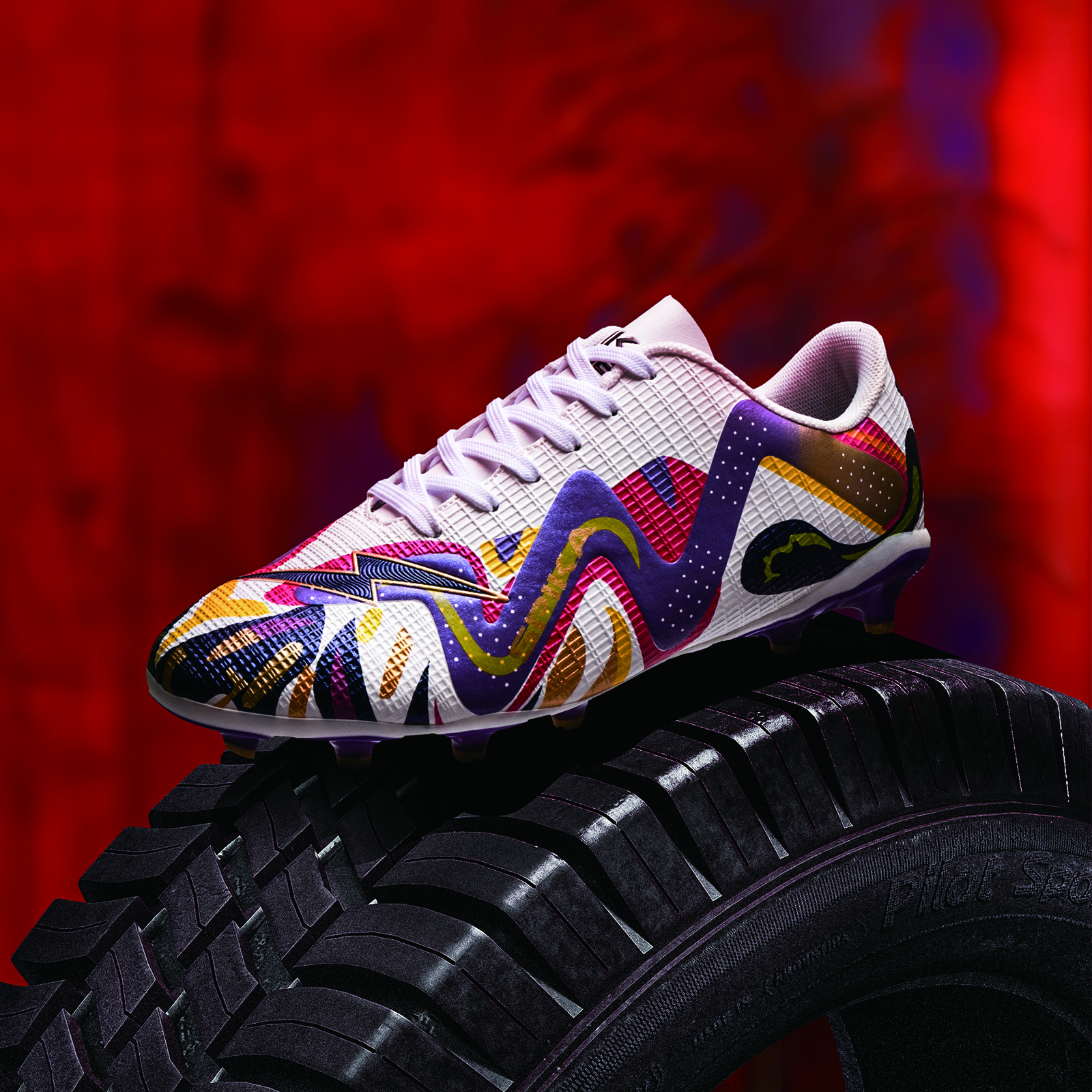
Premium soccer boots utilize advanced upper materials and specialized outsoles to maximize midfoot lockdown and surface traction.
The upper material dictates several critical performance factors. It determines the boot’s overall weight, durability, stretch capacity, and water retention. Understanding material science helps you balance immediate comfort against long-term maintenance requirements.
Upper Material | Pros | Cons |
|---|---|---|
K-Leather / Premium Calfskin | Unmatched ability to mold uniquely to foot shapes. Provides excellent natural padding and a dampening sensation for ball control. | Absorbs water and becomes heavier when wet. Requires regular conditioning (leather food/mink oil) to prevent drying and cracking. |
Modern Synthetics | Extremely lightweight and highly water-resistant. Retains structural shape flawlessly over time. Does not over-stretch. | Requires a longer break-in period. Often less accommodating for unusually wide feet or prominent bunions. |
Knit / Woven Uppers | Delivers a seamless, sock-like fit. Highly breathable. Eliminates internal friction points to reduce blister formation. | Provides minimal structural protection against tackles or foot-stomps. Can fray on harsh artificial turf. |
Synthetic fibers dominate the modern market due to their sheer speed advantages. Engineers apply micro-texturing to these plastics to enhance ball friction in wet conditions. However, traditionalists still favor leather for its adaptive stretch and plush touch.
Maintenance Tip: When evaluating synthetic or knit models for high-frequency training environments, inspect the toe box area. Verify the presence of a polyurethane (PU) or silicone protective film coating the knit material. This transparent layer ensures the boot can withstand abrasive dragging on synthetic pitches.
The industry trend leans heavily toward high-top silhouettes and Dynamic Fit collars. These knit extensions wrap above the ankle bone. They look aggressive and modern. However, we must clarify their actual biomechanical function.
These collars provide enhanced proprioception. Proprioception represents the sensory connection between your foot and your lower leg. The snug fabric makes the boot feel like a seamless extension of your body. However, the collar does not provide structural ankle support. It behaves nothing like a rigid basketball shoe or a medical ankle brace. It will not stop an inversion sprain during a bad tackle.
Furthermore, factory insoles in high-end soccer boots remain notoriously thin. Brands prioritize keeping the overall weight down. They want to maintain a low center of gravity for sharp turning. They sacrifice arch support to achieve this minimalism.
Actionable Advice: Players suffering from flat feet, severe overpronation, or chronic shin splints require proactive adjustments. Ensure the boot's internal volume can accommodate a prescribed sports orthotic or an aftermarket structured insole. Test this carefully. Some boots feature shallow heels. Adding a thick orthotic raises your foot too high, causing the heel to constantly slip out during sprints.
Selecting the optimal boot requires a methodical approach. Always prioritize the outsole-to-surface match first. This non-negotiable step protects your joints and prevents severe traction injuries. Second, lock in the exact volumetric fit. Demand zero heel slippage and a thumbnail's width of toe space. Finally, select your upper materials based on your maintenance appetite, touch preferences, and budget constraints.
Take proactive action during the fitting process. Always conduct physical try-ons late in the afternoon or evening. Feet naturally swell throughout the day, replicating match-day conditions. Bring the exact grip socks or team match socks you will use in actual play. These simple steps eliminate sizing errors and guarantee you step onto the pitch fully equipped for peak performance.
A: Technically yes, but it is highly discouraged. FG studs are too long and grab artificial turf too aggressively. This rotational lock drastically increases the stress on your joints, significantly raising the risk of severe knee ligament injuries, including ACL and MCL tears.
A: Yes. Premium leather, especially kangaroo or calfskin, will stretch up to a half-size around the width and toe box as it breaks in. They should fit quite snugly out of the box. Synthetic boots will soften and mold slightly, but they will not structurally stretch.
A: Bladed studs provide maximum aggressive traction for rapid forward acceleration. Wingers and strikers generally prefer them. Conical, or round, studs allow for smoother pivoting and unrestricted rotational movement. Playmaking midfielders favor conical setups to reduce joint strain while turning.


