


Views: 0 Author: Site Editor Publish Time: 2026-07-21 Origin: Site


The traditional footwear industry demands massive upfront capital. You need expensive machinery, skilled labor, and large facilities to manufacture footwear. However, modern supply chains have completely changed this reality. Today, founders can launch a highly competitive Shoe Brand without owning any manufacturing infrastructure. You can outsource production to specialized global partners instead. This approach drastically lowers your financial barrier to entry.
This article serves as your definitive, bottom-of-funnel guide. We will help you evaluate different manufacturing models. You will learn how to mitigate supply chain risks effectively. Furthermore, we will show you exactly how to shortlist the right B2B partner for your footwear launch. By following these proven steps, you can focus your capital entirely on branding, product design, and customer acquisition.
Outsourcing footwear production through OEM, ODM, or Private Label drastically reduces initial capital expenditure and accelerates time-to-market.
Selecting the correct manufacturing model depends strictly on your design originality requirements, budget, and acceptable Minimum Order Quantities (MOQs).
Performance niches (e.g., soccer or basketball footwear) require rigorous OEM tooling, while lifestyle or aesthetic-driven brands can launch efficiently via Private Label.
Vet manufacturers based on sampling transparency, communication speed, mold ownership terms, and quality control (QC) compliance.
Owning a shoe manufacturing facility requires massive capital investment. You must purchase specialized machinery to operate a factory. Clicking presses, lasting machines, and heavy stitching equipment cost hundreds of thousands of dollars. You also need to hire skilled technicians. Facility management introduces overhead expenses like rent, electricity, and industrial insurance. Managing a factory forces you to become a full-time operations manager. This operational burden often distracts founders from actual brand building.
Leveraging existing supply chains gives you a crucial competitive advantage. It allows your new shoe brand to launch much faster. An established factory already possesses trained workers and calibrated machines. They already hold strong relationships with raw material suppliers. Outsourcing means you can skip years of facility setup. You can immediately focus your capital on customer acquisition. You can build stronger branding campaigns and establish wide distribution channels. Launching quickly helps you capture market trends before they fade.
Outsourcing shifts significant operational burdens to your B2B partner. Factory equipment breaks down frequently. Maintenance requires expensive downtime and replacement parts. When you outsource, the factory owner absorbs these maintenance costs. They also handle raw material warehousing. Buying bulk leather or rubber requires climate-controlled storage space. Your partner manages this inventory risk. They deal with local labor laws and workplace compliance directly.
Note: The true cost of footwear development isn't just manufacturing; it includes expensive mold (tooling) creation, which outsourcing partners often subsidize or amortize across larger production runs.
Selecting the right manufacturing route dictates your entire business model. You must align your production strategy with your startup budget. Your choice also determines your eventual market positioning.
Private label manufacturing involves using the factory’s pre-existing footwear designs. You simply apply your own branding and logos to their established silhouette.
Definition/Outcomes: Taking an off-the-shelf catalog shoe and rebranding it. The factory handles all design schematics.
Pros: This route offers the lowest Minimum Order Quantities (MOQs). It provides the fastest launch time possible. You completely bypass lengthy prototyping phases.
Cons: You get zero design exclusivity. Other brands might sell the exact same shoe silhouette under a different name. You compete purely on marketing rather than product innovation.
Original Design Manufacturing sits halfway between private label and full custom production. You start with an existing factory prototype but make specific aesthetic modifications.
Definition/Outcomes: Modifying an existing factory prototype. You might change upper materials, adjust colors, or alter minor structural elements. You keep the factory's original outsole mold.
Pros: ODM provides an excellent balance of speed and customization. It requires moderate MOQs. You avoid paying for expensive new outsole molds.
Cons: You still lack complete control over the shoe's fundamental shape. The factory likely retains the intellectual property rights to the base design.
Original Equipment Manufacturing means building a product entirely from scratch. You provide unique blueprints, and the factory brings your exact vision to life.
Definition/Outcomes: Building from scratch using custom tech packs. You create unique lasts and develop proprietary molds.
Pros: You gain total design control. You retain complete IP ownership over your silhouettes. Your product stands out as entirely unique in the market.
Cons: OEM requires the highest MOQs. It incurs the highest tooling costs. It also demands the longest lead times for development. This route is highly necessary for specialized performance gear like soccer Shoes or basketball Shoes.
Tip: If you are bootstrapping, start with a Private Label or ODM model to test market demand and generate cash flow before investing in expensive custom OEM molds.
Manufacturing Model | Design Control | Initial Cost / Tooling | Average MOQ | Time to Market |
|---|---|---|---|---|
Private Label | Very Low (Branding only) | Low (No mold costs) | Low (100-300 pairs) | Fast (1-2 months) |
ODM | Medium (Material/Color changes) | Medium (Minor tooling) | Medium (300-500 pairs) | Moderate (2-4 months) |
OEM | High (100% Custom) | High (Custom molds/lasts) | High (500-1000+ pairs) | Slow (6-9 months) |
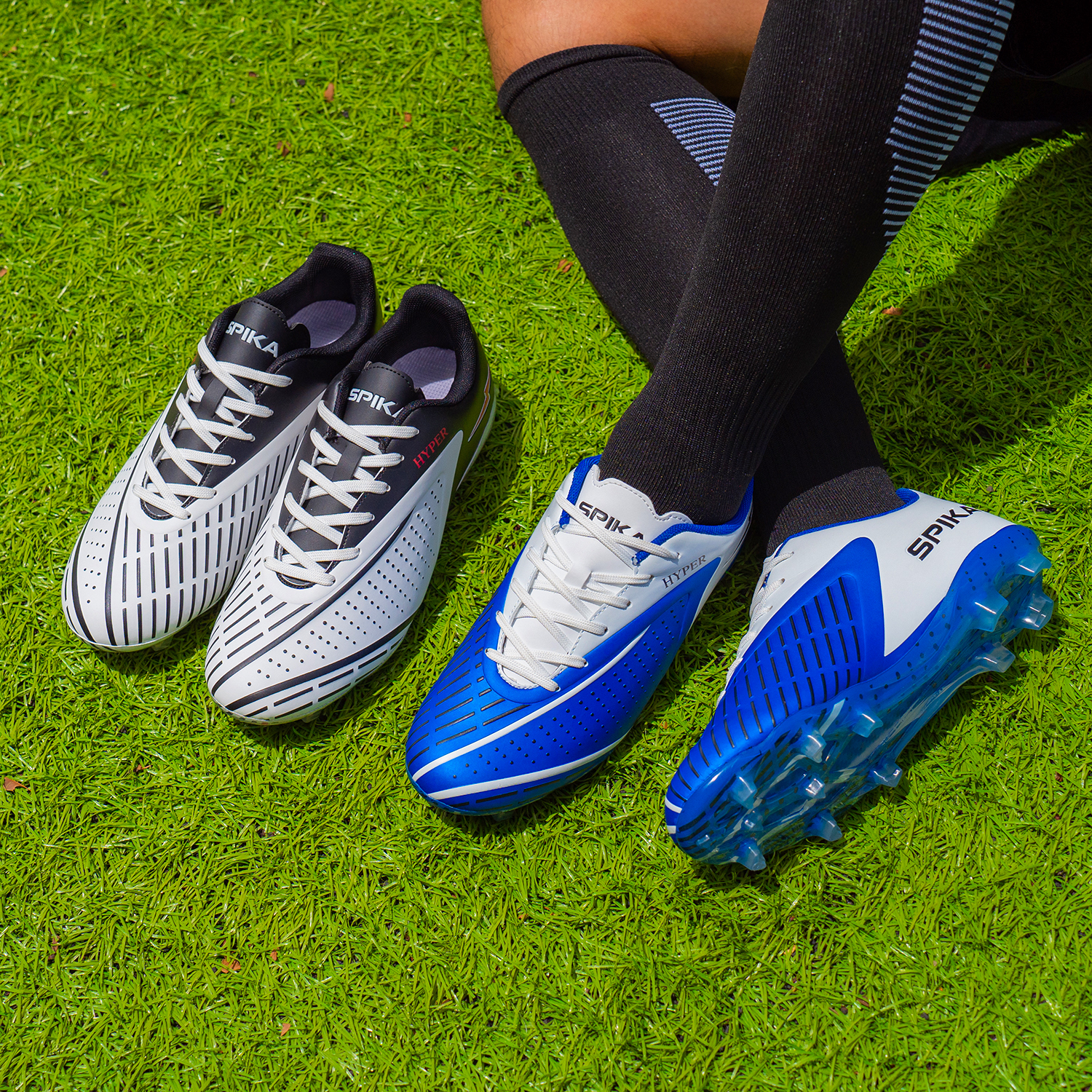
A customized sample highlighting the precision required when launching your own footwear line.
You must clearly define the structural requirements of your footwear. Every niche demands different engineering approaches. Lifestyle sneakers generally focus on aesthetics and everyday comfort. They require basic EVA or rubber outsoles. They use standard stitching and standard lasting boards. Performance footwear requires much tighter tolerances. Conversely, golf Shoes necessitate specialized waterproofing compliance. They demand specific traction profiles, utilizing either specialized spikes or spikeless rubber lugs. Performance gear also requires rigorous stress testing to prevent mid-game blowouts.
Material choices directly impact your brand identity and legal compliance. You must specify your required materials early in the sourcing process. Many modern consumers demand sustainable options. Outline the importance of specifying vegan leathers or recycled knit uppers. Certain niches require strict material certifications. Kids' footwear must pass rigorous non-toxic compliance testing. Barefoot shoes need highly flexible, zero-drop rubber outsoles. You must ensure your factory can source these exact compliant materials. Ask them for material safety data sheets before production begins.
A tech pack serves as the master blueprint for your shoe. Factories cannot give you an accurate price quote without one. You must create a comprehensive tech pack before contacting suppliers. It must include detailed 2D and 3D CAD drawings. It should feature a complete bill of materials (BOM). You must detail every single component, from eyelets to shoelaces. The tech pack must also include accurate size grading rules. A precise tech pack is the non-negotiable prerequisite for accurate factory quoting. Missing details will lead to poor samples and delayed timelines.
Understanding factory minimums prevents budget overruns. You must carefully differentiate between total MOQ and MOQ per colorway or size run. A factory might advertise a 500-pair MOQ. However, they might require 500 pairs per specific color. This suddenly pushes your inventory commitment much higher. Avoid factories promising unrealistically low MOQs without charging extreme premiums. Small orders disrupt massive assembly lines. If a factory accepts a tiny order, they often deprioritize your production or charge hidden fees elsewhere.
Prototyping speed reveals a factory's technical competence. Evaluate the factory's sampling capabilities closely. A standard timeline includes several distinct phases. First, they produce a "pullover sample" to check the upper pattern. Next, they create a revised sample based on your fit feedback. Finally, they provide a pre-production or size-set sample. Delays during sampling often predict massive delays during bulk production. Ask potential partners about their average sample turnaround times. Reliable factories usually deliver initial prototypes within three to four weeks.
Consistent quality separates successful brands from failed startups. You must demand total transparency on their Quality Control (QC) frameworks. Ask them which AQL (Acceptable Quality Limit) standards they follow. Standard footwear manufacturing usually targets AQL 2.5 for major defects. Ensure they allow third-party inspection agencies onto their factory floor. Professional factories welcome external auditors like SGS or Intertek. If a manufacturer refuses independent inspections, you should walk away immediately.
The global manufacturing sector unfortunately includes bad actors. You must actively identify red flags during your vetting process. Avoid suppliers who refuse to conduct live video tours of their facility. Beware of vague intellectual property protection terms. Unscrupulous factories might steal your designs and sell them domestically. Watch out for bait-and-switch sampling quality. Some trading companies outsource your samples to a premium sample room, but push bulk production to a low-tier facility.
Request a video call directly from the factory floor.
Ask for their material supplier certifications.
Review their AQL quality control manuals.
Draft a clear Non-Disclosure Agreement (NDA) before sending tech packs.
Hire a third-party inspection firm for a preliminary background check.
Tip: Always pay for your initial samples. Factories that offer "free samples" often recoup the cost by hiding it in bulk production fees or delivering rushed, low-quality prototypes.
Creating custom outsoles represents the biggest bottleneck in shoe manufacturing. You must understand the timeline and cost realities of opening new outsole molds. Cutting a single steel or aluminum mold typically takes 30 to 45 days. You need a separate mold for every single shoe size. This tooling phase requires significant upfront capital. Always establish ownership rights clearly in your manufacturing contract. You must ensure you own the molds you pay for. Otherwise, the factory could hold your designs hostage.
The pre-production phase locks in your final details. The factory will send you a "golden sample." This represents the absolute final version of your shoe. It serves as the master benchmark for bulk manufacturing. Approving the golden sample is a critical step. You must inspect every stitch, logo placement, and material texture. Once you sign the approval document, the factory orders bulk materials. Any changes made after this sign-off will incur severe financial penalties.
Bulk footwear manufacturing moves through complex assembly lines. The typical production cycle takes 60 to 90 days. Workers cut materials, stitch uppers, and cement outsoles. Quality assurance must happen continuously. Establish in-line inspections to catch stitching errors early. Schedule a final random inspection before the shoes go into their boxes. Third-party inspectors should check for excess glue, uneven seams, and incorrect sizing. Catching defects at the factory saves you from processing massive customer returns later.
Shipping bulky shoe boxes across the world requires tight logistical planning. You must brief yourself on basic incoterms. FOB (Free On Board) terms mean the factory pays to transport goods to the nearest port. You take over financial responsibility from there. Calculate your shipping volumes in Cubic Meters (CBM). Shoes take up significant container space. You should integrate your production schedule with your chosen 3PL (Third-Party Logistics) provider early. Ensure your warehouse can receive floor-loaded containers efficiently.
Note: Never approve mass production based on a digital photo. You must physically test the pre-production sample for fit, flex, and structural integrity.
Launching a shoe brand without owning a factory is a highly viable business path. However, it requires highly disciplined supply chain management. You must approach outsourcing with clear blueprints and realistic budgets. Do not expect factories to solve fundamental design flaws.
Always align your funding and design needs with the correct manufacturing model. Choose Private Label if you prioritize maximum speed to market. Choose OEM if you demand custom performance and unique silhouettes. Selecting the right B2B partner mitigates massive operational risks down the line.
Your next step requires immediate action. Finalize your tech packs and prepare your 3D CADs. Begin reaching out to three to five vetted B2B manufacturing partners. Request their initial quotes and order your first round of samples today.
A: OEM footwear costs vary heavily. Custom outsole molds generally cost between $1,500 and $3,000 per size run. Initial sample fees range from $300 to $800 per style. For bulk production, expect to pay a 30% deposit upfront. A standard baseline budget for a custom OEM launch often starts around $15,000 to $25,000.
A: Standard IP realities dictate that the factory owns ODM molds. Since they developed the original tooling, they retain the rights to the outsole shape. You own your brand logo and specific upper material combinations. You can sometimes negotiate a buyout to own the mold exclusively, but this costs extra.
A: You must plan for a realistic timeline based on your chosen model. A full OEM project typically takes 6 to 9 months due to mold creation and multiple sampling rounds. A Private Label project moves much faster. You can usually go from selection to final delivery in 3 to 4 months.
A: Yes, many founders use sourcing agents. The pros include overcoming language barriers, localized quality control, and faster factory shortlisting. The cons include added commission fees, usually between 5% and 10% of the bulk order. Agents also occasionally hide the factory's true identity to protect their intermediary status.


