


Views: 0 Author: Site Editor Publish Time: 2026-05-21 Origin: Site


Synthetic footwear brings incredible versatility to your daily wardrobe. It offers a cost-effective, vegan-friendly alternative to traditional animal hide. You get sleek designs without the hefty price tag. However, their unique structural composition makes them highly susceptible to eventual degradation. Polyurethane is essentially a thin plastic coating. Manufacturers bond this delicate coating directly to a fabric backing. It entirely lacks the natural elasticity of animal skin. It also lacks the regenerative properties of biological materials. Without proactive maintenance, everyday structural stress will cause this coating to crack. Environmental factors rapidly accelerate this frustrating peeling process.
This guide breaks down the underlying chemical realities of synthetic materials. We provide an evidence-based framework for cleaning and conditioning. You will learn actionable strategies to maximize the lifespan of your footwear. These protective rules apply to everything from daily commuter boots to specialized activewear.
Structural Destiny: PU leather's peeling is a natural result of plasticizer degradation; prevention focuses on delaying this process, not stopping it permanently.
Chemical Sensitivity: Harsh solvents, alcohol-based cleaners, and even standard shoe polish can dissolve the polyurethane coating.
Moisture Management: Unlike real leather, PU cannot absorb deep hydration. Surface-level barriers (like baby oil or PU-specific lotions) are required to maintain flexibility.
Crease Control: Peeling almost always originates at flex points. Proper storage and crease mitigation are just as critical as chemical care.
Understanding material science helps you protect your footwear. The anatomy of synthetic leather is quite simple. Manufacturers apply a polyurethane plastic coating over a woven or non-woven fabric backing. This rigid bonding explains why synthetic materials never develop a natural patina. The plastic simply sits on top of the base layer. It cannot stretch or absorb oils like biological skin.
Chemical agents called plasticizers keep this top coating flexible. These vital agents naturally evaporate or degrade over time. Once they vanish, the plastic becomes stiff and brittle. This chemical loss triggers the peeling process.
Several environmental triggers accelerate this chemical breakdown:
UV Exposure & Heat: Direct sunlight attacks polymer chains aggressively. This breaks down the material structure, accelerating color fade and cracking.
Friction & Flexing: Your toes bend every time you walk. This repeated action creates invisible micro-tears in the non-elastic coating.
Moisture & Sweat: Active wear traps internal moisture inside the shoe. External humidity also weakens the fragile adhesive bond between the plastic and the fabric layer.
Best Practice: Keep your footwear in climate-controlled environments. Storing them in hot car trunks destroys the plasticizers in a matter of days.
Common Environmental Triggers and Their Effects
Environmental Trigger | Impact on Polyurethane | Visible Result |
|---|---|---|
Direct Sunlight | Breaks down polymer chains | Fading and surface brittleness |
Repetitive Flexing | Stresses the plastic-to-fabric bond | Micro-tears at the toe box |
High Humidity | Weakens internal adhesives | Large-scale delamination and bubbling |
Proper cleaning prevents premature degradation. Abrasive dirt acts like sandpaper against delicate plastic finishes. You must establish a gentle cleaning routine.
Dry Soil Removal: Always start using a soft-bristled brush. You need to brush away loose dirt and dry debris first. Wiping dirty shoes directly grinds sharp particles into the plastic finish.
The Safe Cleaning Solution: Mix lukewarm water and a few drops of mild dish soap. Do not use abrasive detergents. Never apply bleach or acetone. These harsh chemicals strip the protective topcoat instantly.
The Microfiber Wipe-Down: Follow the "damp, not wet" rule strictly. Dip a microfiber cloth into your solution and wring it out completely. Over-saturating your PU Leather Shoes allows water to seep into the fabric backing. Moisture enters through microscopic cracks. This causes internal rot and rapid delamination.
Handling Heavy Stains: Address grass stains, mud, or dye transference immediately. Dark denim often bleeds indigo dye onto lighter footwear. Spot-clean your Golf Shoes the moment you notice a stain. Quick action prevents dyes from permanently embedding into the porous synthetic surface.
Air-Drying Protocol: Always dry your footwear at room temperature. Strictly avoid hair dryers, radiators, or direct sunlight. Artificial heat warps the plastic and destroys the adhesive bonds.
Common Mistake: Immersing synthetic footwear in water ruins them completely. The fabric backing acts like a sponge, leading to irreversible bubbling.
Tip: Always test any new cleaning solution on a small, hidden area. Check the inner heel first. Ensure the cleaner does not cause immediate discoloration or surface tackiness.
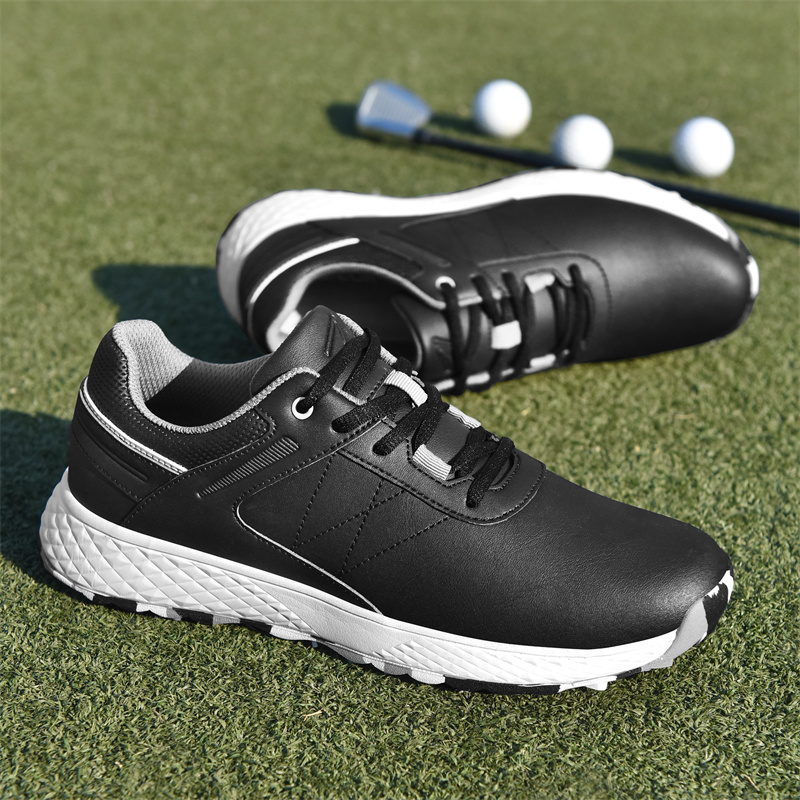
Proper maintenance products and techniques extend the functional lifespan of your synthetic footwear and specialized athletic gear.
Prevention always beats repair. Once the polyurethane layer cracks, the structural damage is irreversible. You must protect the surface proactively.
Surface conditioning requires a specific approach. Authentic animal hide absorbs thick creams deeply. Synthetic material cannot absorb anything. Applying traditional conditioners leaves a greasy residue. Instead, apply a thin layer of PU-specific lotion. A micro-amount of baby oil also works well. This creates a microscopic surface barrier. It protects against heavy friction and prevents essential moisture loss.
Maintain a consistent application frequency. Apply your barrier treatment every three to six months. Scale this frequency up for harsh environments. Heavily air-conditioned offices dry out synthetic materials quickly. Frequent outdoor wear also demands a monthly care cadence.
Crease mitigation during storage is mandatory. Peeling almost always originates at major flex points. Insert cedar or plastic shoe trees immediately after wearing them. Shoe trees maintain the structural shape. They prevent deep folds from setting into the vamp. Stopping these creases stops the peeling before it starts.
You must practice strict chemical avoidance in daily use. Keep destructive agents away from your footwear. Hand sanitizers, bug sprays, and alcohol-based perfumes act as heavy solvents. They dissolve polyurethane coatings on contact.
Minor damage requires immediate attention. You must seal small cracks before they expand. However, you must understand the limitations of DIY repair.
Set realistic expectations before starting. Once you see the white fabric backing, structural integrity is gone. Your repairs remain purely aesthetic. They do not restore the original factory bond.
Use the marker and polish technique for micro-scuffs. Take high-grit sandpaper (600-800 grit) first. Smooth the rough peeling edges gently. Apply a matching permanent marker directly over the exposed fabric. Finally, seal the area using a very thin layer of neutral shoe polish. This hides the damage effectively.
Larger holes require commercial-grade leather paint and fillers. Apply a flexible soft filler to the damaged area. Wait for the filler to cure completely. Brush matching acrylic leather paint over the patch. Use long, thin strokes for an even coat. Finish the repair using an acrylic sealer. This final step prevents unwanted tackiness.
The "Super Glue" Warning: Never use cyanoacrylate on peeling flaps. Many people grab super glue for a quick fix. This is a critical mistake. Super glue dries rock-hard. It entirely destroys the shoe's necessary flexibility. Walking will cause a much larger tear during your next wear.
Note: Evaluate the damage honestly. If your footwear exhibits widespread peeling across high-stress areas, stop right there. The total cost of commercial repair products often outweighs the replacement value of the synthetic item.
Choosing between synthetic and authentic materials requires assessing your lifestyle. Both options demand very different maintenance strategies.
The care regimens differ fundamentally. Synthetic footwear relies on low-maintenance, surface-level cleaning. You simply wipe away dirt and apply light barriers. Authentic animal hide requires high-maintenance care. It demands deep hydration, specialized soaps, and heavy conditioning creams to survive.
Durability and lifecycle expectations also contrast sharply. Polyurethane features a finite lifespan. You can typically expect one to three years of solid use. Authentic hide behaves differently. It can last for decades. However, it requires proper cobbler care, resoling, and constant conditioning to reach that milestone.
Consider the cost-to-value ratio based on your specific use cases. Synthetic materials are highly cost-effective for trend-focused footwear. They also make perfect sense for seasonal sports and entry-level gear. Conversely, authentic hide offers better long-term value for daily professional wear. The longevity justifies the higher upfront cost and demanding maintenance routine.
Maintenance Comparison: Synthetic vs. Authentic Materials
Feature | PU Leather | Real Leather |
|---|---|---|
Primary Care Routine | Surface wiping and barrier lotions | Deep pore cleaning and heavy conditioning |
Water Resistance | Naturally repels light surface water | Absorbs water quickly; requires wax seals |
Expected Lifespan | 1 to 3 years | 10+ years (with professional care) |
Flexibility Limits | Prone to permanent cracking at flex points | Softens and molds to the foot over time |
The eventual peeling of synthetic footwear is an unavoidable reality of modern manufacturing. However, premature degradation is almost always a result of improper care. You have the power to delay this process significantly.
Understand the chemical sensitivities of polyurethane. Keep your items away from harsh heat, direct sunlight, and alcohol-based solvents. Prioritize crease prevention by using proper shoe trees after every single wear. Establish a gentle cleaning routine using mild soap and microfiber cloths.
Apply surface barrier protection every few months to lock in flexibility. Treating synthetic materials with appropriate, targeted methods pays off. It proves affordability does not have to mean immediate disposability. Take action today, and you will maximize the aesthetic and functional lifespan of your favorite footwear.
A: No. Once PU leather experiences large-scale delamination, exposing the underlying fabric, the structural bond is broken. DIY repairs will look patchy and fail quickly under flexion. Replacement is recommended.
A: Yes, but you must ensure the spray is specifically formulated for synthetic materials or acrylics. Standard silicone-based leather protectors can sometimes react poorly with polyurethane finishes, causing a cloudy residue.
A: It is not recommended. Traditional leather conditioners are designed to penetrate pores. Because PU leather is non-porous plastic, the conditioner will sit on the surface, creating a greasy film that attracts dust and degrades the finish over time.


