


Views: 0 Author: Site Editor Publish Time: 2026-05-21 Origin: Site


Modern consumers often look for footwear that combines stylish appearance with reasonable pricing. PU leather shoes have become a popular alternative because they can deliver a leather-like look while remaining more affordable than genuine leather products. However, many buyers still have concerns about durability, peeling, and long-term performance. Unlike natural leather, which gradually develops texture and character over time, PU leather is a synthetic material designed with a coated surface structure. Its lifespan is influenced by factors such as material quality, manufacturing technology, daily usage, and maintenance conditions. Understanding how PU leather performs in real-world applications can help consumers make smarter decisions when selecting footwear for fashion, casual wear, or athletic use.
We will help you align your expectations, budget, and specific use cases. By understanding the science behind the material, you can make smarter buying decisions. You will learn exactly how long these shoes last under normal conditions. We will also explore when synthetic materials actually outperform traditional options in the real world.
Lifespan Expectancy: High-quality PU leather shoes typically last 1 to 3 years under regular use before irreversible peeling or cracking begins.
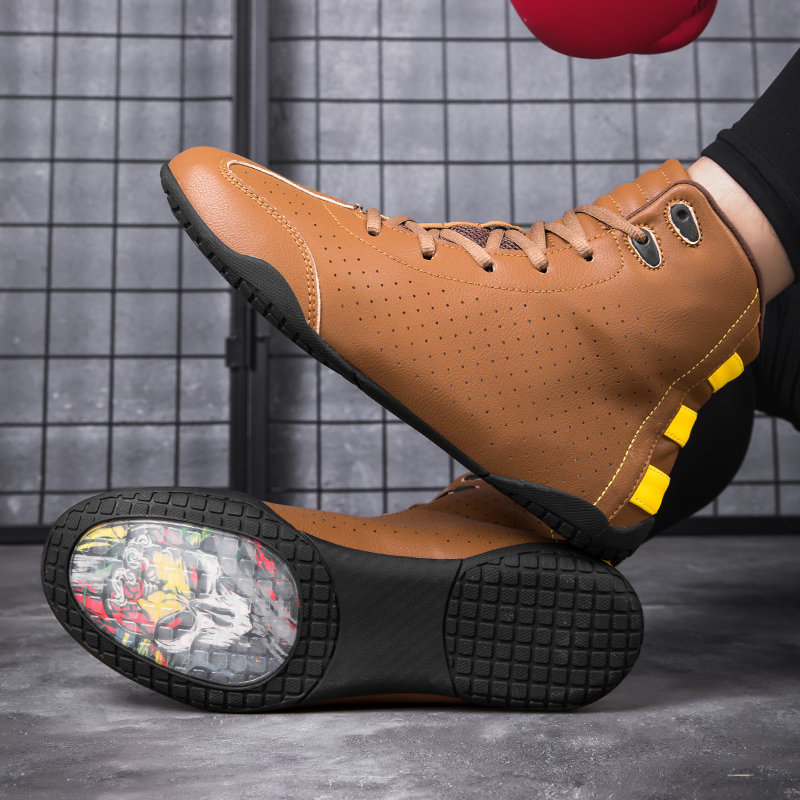
Strategic Applications: PU excels in scenarios requiring lightweight, water-repellent, or easy-to-clean profiles (such as specific athletic gear or boxing shoes), but lacks the breathable, long-term durability of full-grain leather.
Maintenance Protocols: Applying traditional leather oils or waxes to PU will destroy its coating; maintenance requires specific synthetic-friendly care.
You can generally expect them to last one to three years. This baseline assumes regular, weekly wear in average conditions. Unlike natural hide, synthetic material does not build character. PU coatings possess a finite chemical lifespan. They will inevitably degrade. Plasticizers keep the synthetic material flexible. Over time, these chemicals evaporate into the air. The outer coating becomes increasingly brittle. Micro-cracks begin to form along the flex points of your feet. Soon after, irreversible peeling begins.
Understanding synthetic footwear requires knowing the material hierarchy. Not all synthetic leathers share the same construction. You must learn to distinguish between the tiers of quality. We can categorize them into three main types.
Material Grade | Composition | Durability Level | Key Characteristic |
|---|---|---|---|
100% PU | Pure polyurethane polymer over a fabric backing. | Highest among synthetics (1-3 years). | Most flexible, fully vegan, water-resistant. |
Bicast Leather | Split-grain animal hide coated with a thick layer of PU. | Moderate (6-18 months). | Prone to rapid delamination and stiff feeling. |
Bonded Leather | Leather scraps shredded and glued together, then PU coated. | Lowest (Under 12 months). | Highly susceptible to immediate flaking and tearing. |
Certain environments destroy synthetic polymers faster than others. Extreme heat causes the plasticizers to evaporate rapidly. Prolonged UV exposure actively breaks down the polyurethane polymer chains. Excessive moisture also plays a destructive role. Water triggers a chemical reaction called hydrolysis in lower-grade synthetics. This process literally dissolves the material from the inside out.
You should not frame PU simply as a cheap alternative. Instead, evaluate it as a specific tool for specific needs. Sometimes, performance matters more than heritage. Synthetic materials offer unique physical properties. These properties solve specific problems for modern consumers.
Many sports demand absolute agility over decade-long longevity. For example, athletes rely on high-performance Boxing Shoes to maintain quick footwork. Ring sports prioritize ultra-lightweight materials above all else. Fighters need immediate flexibility the moment they step into the ring. Synthetic materials require zero break-in period. Real leather takes weeks to soften properly. Furthermore, synthetic athletic gear offers a wipe-clean sanitation profile. You can easily sanitize them after a sweaty workout. For these athletes, immediate utility easily beats long-term heritage.
Polyurethane possesses an innate ability to repel water. It creates a seamless barrier against light moisture. This makes it highly suitable for light-duty rain footwear. It also strongly resists oil and hand-sanitizer corrosion. Food-service workers frequently choose synthetic shoes for this exact reason. Spills wipe off instantly without staining the material. Natural hide would absorb those same oils permanently.
Smart shoppers look beyond the initial price tag. You need a reliable decision framework to evaluate your footwear investments. We can compare a standard synthetic option against a premium natural option. Let us analyze a $100 PU shoe versus a $300 Goodyear-welted real leather shoe.
The financial return on investment (ROI) looks very different depending on your timeline.
Metric | $100 Synthetic Shoe | $300 Real Leather Shoe |
|---|---|---|
Entry Cost | Low. highly accessible upfront. | High upfront investment. |
Replacement Cycle | Every 1 to 3 years. | Every 10 to 20 years. |
Asset Class | Disposable fashion item. | Long-term staple (can be resoled). |
Cost-Per-Wear (10 Yrs) | High (requires buying 3-4 pairs). | Low (one pair worn for a decade). |
The synthetic route offers a low entry cost. However, it operates on a short replacement cycle. You must treat it as a "disposable" asset class. Real hide requires a higher upfront investment. Yet, it offers a 10-to-20-year potential lifespan if properly maintained. You can resole a Goodyear-welted shoe multiple times. This drastically lowers your long-term cost per wear.
Material porosity directly impacts your daily comfort. Real leather features a natural pore structure. These pores actively absorb sweat and allow air circulation. Polyurethane is entirely non-porous. It acts like a plastic bag around your foot. It traps heat and moisture inside the shoe. This trapped moisture can easily lead to severe foot odor if the shoe remains unventilated. You must wear moisture-wicking socks to combat this issue.
Materials age in drastically different ways. Real hide softens gradually. It develops a natural sheen known as a patina. Scuffs blend into the character of the shoe. Synthetic materials behave completely differently. PU maintains an artificially perfect look for months. It looks flawless right up until the moment it abruptly cracks. There is no graceful aging process. Once the top layer delaminates, the shoe instantly looks unwearable.
Before you purchase your next pair of PU Leather Shoes, you must verify their true quality. Use these reliable physical tests and visual indicators.
You can perform a highly reliable physical test in person. Place a single drop of water on the upper material. Water beads up and rolls off a polyurethane surface immediately. The plastic coating repels the moisture. Conversely, real hide absorbs the water drop. The natural material will temporarily darken in that specific spot. This simple test exposes synthetic coatings instantly.
Take a close look at the grain pattern on the shoe. Manufacturers press synthetic textures using large industrial molds. An overly uniform, flawlessly repeating grain pattern clearly indicates a synthetic mold. Nature never creates perfect repetition. Natural hides feature microscopic imperfections. Look for tiny variations, uneven pores, and subtle wrinkles. If the surface looks entirely perfect, it is almost certainly a synthetic polymer.
You must scrutinize the product label carefully. Warn yourself against misleading industry terminology. Words like "Reconstituted," "Split," or "Bonded" signal danger. These terms indicate the lowest tier of durability. They mean the manufacturer used ground-up leather dust mixed with glue. You will experience peeling much faster with these inferior materials.
Common Mistake: Ignoring the out-of-the-box smell. If you detect a strong, lingering chemical or plastic odor, pay attention. It is a clear indicator of synthetic polyurethane or PVC. This holds true regardless of what the marketing language suggests. Real hide smells rich and earthy. Synthetics smell like a chemical factory.
Proper maintenance extends the life of synthetic materials. However, you must throw out everything you know about traditional shoe care. Synthetic surfaces require an entirely different approach. The wrong chemicals will destroy your shoes overnight.
Applying traditional leather care products will ruin synthetic footwear. Emphasize this rule: keep mink oil, saddle soap, and wax-based polishes away from your shoes. These traditional products contain strong solvents. Those solvents chemically attack the polyurethane coating. They will cause the plastic surface to dissolve or become permanently sticky. You cannot reverse this chemical damage.
Your cleaning routine must remain incredibly simple. We recommend using a strictly damp microfiber cloth. Add a tiny drop of mild dish soap if necessary. Wipe the surface gently to remove dirt and grime. Avoid harsh solvents entirely. Never use alcohol-based cleaners or acetone. These chemicals strip away the top layer of the polymer, accelerating the cracking process.
You can sometimes hide minor scuffs with a clever industry trick. We call it the heat repair hack. Take a standard hairdryer and set it to a low-heat setting. Hold it a few inches away from the shoe. Gently warm the synthetic surface for a few seconds. The heat causes the polymers to expand slightly. This expansion can minimize the appearance of minor surface scratches. Move the dryer constantly to avoid melting the plastic.
Where you keep your shoes matters immensely. Keep them away from active radiators and heating vents. Direct heat dries out the plasticizers rapidly. Avoid leaving them in direct sunlight. UV rays bake the material and cause premature fading. Finally, avoid enclosed humid spaces. Store them in a well-ventilated closet to prevent premature cracking.
Synthetic footwear provides exceptional value when used correctly. PU leather shoes remain highly functional and budget-friendly. They serve as perfect tools for specific applications. They dominate lightweight sports arenas and satisfy strict vegan requirements. However, you must accept them as short-term investments. They rely on finite chemical lifespans.
We advise buyers to align their purchasing decisions with their expected timeline. Choose synthetic options for immediate utility and low maintenance. Enjoy the affordable style they provide today. However, you should budget for full-grain alternatives if you seek a decade-long wardrobe staple. Always prompt yourself to check your footwear labels carefully. Understand exactly what grade of synthetic material you are evaluating before handing over your credit card.
A: Yes, typically after 1 to 3 years of use. Friction, heat, and poor maintenance accelerate the peeling of the top coating. Once the plasticizers evaporate from the polymer, the material becomes brittle and begins to flake irreversibly.
A: It is highly water-resistant by nature. The plastic coating makes it excellent for repelling light rain and accidental spills. However, the shoe's seams and stitching holes may still allow water ingress if fully submerged.
A: No permanent fix exists for cracked PU. Minor scratches can be smoothed with mild heat from a hairdryer. However, visible peeling indicates total structural failure. Leather fillers or glues cannot permanently reverse this chemical breakdown.


