


Views: 0 Author: Site Editor Publish Time: 2026-05-21 Origin: Site


PU leather shoes have become increasingly popular for their versatility, modern styling, and cost-effectiveness. Understanding what PU leather really is, how it performs, and where it is best used can help buyers make more confident purchasing decisions. In this guide, we’ll explore the characteristics, advantages, limitations, and practical applications of PU leather shoes to help you determine whether they are the right choice for your needs.
Material Reality: 100% PU leather is fully synthetic and vegan, but "Bicast" PU blends synthetic coatings with leftover animal hide fibers.
Lifespan Expectations: Under regular wear, PU leather shoes typically last 2 to 5 years before peeling or cracking occurs.
Performance Edge: PU retains its structural shape better than genuine leather, making it highly advantageous for precision-based athletic footwear (like boxing shoes).
Maintenance: Unlike genuine leather, PU does not develop a patina or require conditioning; it requires simple wipe-downs and protection from extreme heat.
Environmental Nuance: While PU avoids the toxic ammonia and chromium pollution of traditional leather tanning, it remains a petroleum-based, non-biodegradable plastic.
Manufacturers do not grow PU Leather Shoes on farms. They engineer them in laboratories. Polyurethane (PU) leather consists of a liquid thermoplastic polymer coating. Factories apply this coating over a woven fabric base. They typically use durable polyester or breathable cotton for this foundation. This hybrid construction gives the material its flexibility. It also allows manufacturers to stamp artificial grain patterns onto the surface. This process creates a remarkably convincing visual replica of natural animal hide.
Brands often disguise inferior materials using clever terminology. Always check the manufacturer's label before purchasing. Look out for these specific industry terms:
Bonded Leather: Manufacturers glue leather scraps together with heavy polyurethane binders.
Reconstituted Leather: A slurry of pulverized leather fibers pressed into sheets and coated in plastic.
Corrected Grain: Lower-grade animal hides sanded down and heavily coated in synthetic resins to hide natural flaws.
These terms indicate a hybrid material. They do not represent 100% pure polyurethane synthetics.
Evaluating footwear requires looking past the showroom floor. You must understand how different materials age under physical stress. Each material follows a completely different lifecycle. Genuine hides adapt to your body over time. Synthetic polymers resist change until they ultimately fail.
Genuine leather possesses a unique ability to develop a natural patina. It absorbs oils and self-heals minor scratches through friction. Well-maintained hides look richer after five years. PU behaves entirely differently. Synthetic uppers look perfect on day one. However, repeated flexing stresses the thermoplastic bond. The polymer eventually separates from its fabric backing. You will notice irreparable cracking and peeling after two to five years. No conditioning oil can fix delaminated plastic.
We must address the notorious "heat-trapping" flaw. Genuine leather features natural pores. It breathes efficiently and stretches slightly to mold around your foot. PU is mostly impermeable. It blocks moisture vapor from escaping. This characteristic requires footwear designers to compensate. Quality synthetic shoes integrate breathable inner linings. They also frequently utilize technical mesh panels to prevent excessive sweating and blister formation.
Animal hides demand a high upfront financial investment. However, they deliver steady value over a decade of use. You can resole and restore them repeatedly. PU offers immediate, highly attractive affordability. The tradeoff involves a much shorter replacement cycle. You save money today but will likely purchase a replacement pair within a few seasons.
You can quickly identify synthetic materials in a physical retail store. Use the visual test first. Look closely at the surface grain. Polyurethane features a perfectly uniform, repeating pore pattern. It completely lacks natural scars or asymmetrical flaws. You can also use the water test if permitted. A single water droplet repels immediately off a synthetic upper. Real hides will gradually absorb the moisture and darken slightly.
Feature | PU Leather | Genuine Leather |
|---|---|---|
Lifespan | 2 to 5 years (peels/cracks) | 10+ years (develops patina) |
Breathability | Low (requires mesh linings) | High (naturally porous) |
Initial Cost | Highly affordable | Expensive premium |
Shape Retention | Excellent (will not stretch out) | Variable (molds and stretches) |
Shoppers often assume natural materials always perform better than engineered plastics. This assumption falls apart in specific, high-intensity scenarios. Traditional hides possess inherent physical weaknesses. We can observe these weaknesses clearly during rigorous athletic activity.
Genuine leather softens continuously as it absorbs body heat and sweat. This softening causes the material to stretch permanently. A perfectly fitted shoe will eventually become loose. This structural degradation becomes a major liability in scenarios demanding rigid foot support. You lose critical lateral stability. A loose shoe drastically increases the risk of rolled ankles or lost footing during rapid directional changes.
Athletic engineers frequently utilize synthetic materials in professional Boxing Shoes. High-intensity dance footwear also relies heavily on these polymers. PU offers incredibly high tensile strength. It features rapid "snap-back" resilience. The material locks the foot tightly in place without permanently stretching out over time. It maintains strict dimensional tolerance. This structural memory reduces the risk of ankle rolls or instability during aggressive pivoting maneuvers in the ring.
We must also highlight polyurethane's inherent resistance to water absorption. Animal hides soak up moisture rapidly if untreated. They become heavy and prone to bacterial rot. Thermoplastic polymers naturally repel environmental moisture. This chemical trait makes them highly practical for rainy climates. They excel as winter boots. They also serve perfectly as easily sanitizable work shoes in medical or food-service environments.
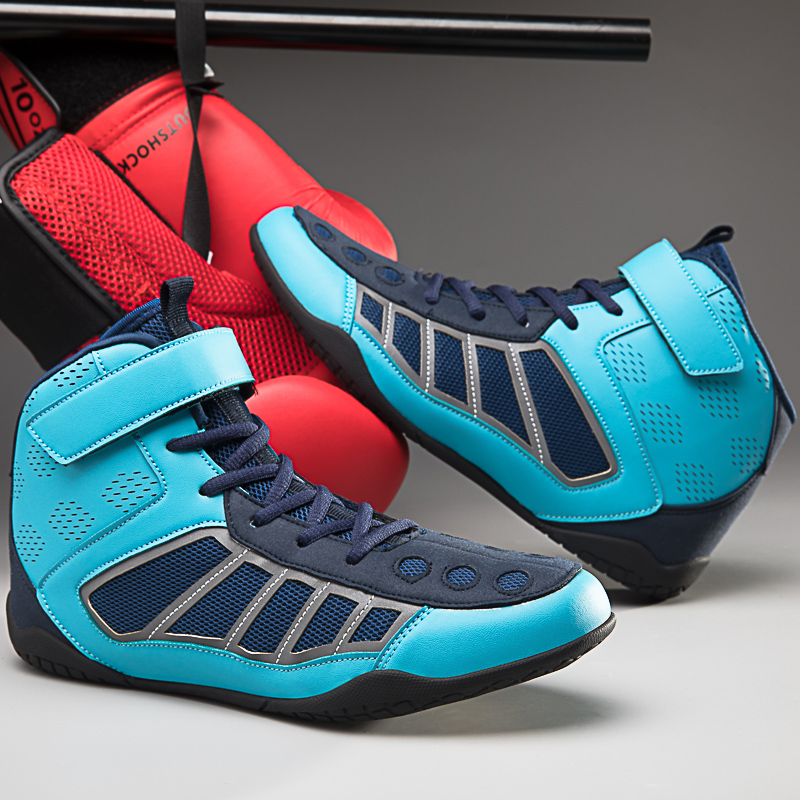
PU leather provides the rigid ankle support and "snap-back" resilience required in high-performance athletic footwear.
Every purchasing decision involves managing tradeoffs. Synthetic footwear provides distinct advantages for specific lifestyles. It also presents undeniable limitations for heritage collectors. You must align the material's properties with your personal daily needs.
Highly cost-effective: Perfect for trend-driven styles that you only plan to wear for one or two seasons.
Consistent color and finish: The industrial manufacturing process ensures perfect color matching without natural hide variations.
Excellent structural memory: The polymer matrix will not stretch out of its original size.
Low maintenance: The plastic coating remains impervious to typical everyday stains. You never need to purchase expensive leather conditioning oils.
Shorter functional lifespan: The inevitable peeling is completely unrepairable.
Initial stiffness: The material can feel stiff and cause painful blisters if the shoe does not fit your foot perfectly right out of the box.
Off-gassing potential: Freshly manufactured pairs often emit a noticeable chemical or plastic odor upon unboxing.
We recommend synthetic options for specialized sports like boxing or dancing. They also make perfect sense for seasonal fashion trends. You should heavily consider them if you face strict budget constraints. Conversely, we advise against them for everyday, heavy-duty work boots. You should also avoid them if you seek heritage footwear meant to last a lifetime and develop character.
Proper maintenance dictates how long synthetic uppers survive. You cannot treat them like traditional hides. Incorrect care routines will accelerate polymer degradation. You must adopt a specific protocol designed for thermoplastic materials.
Direct heat acts as the primary enemy of synthetic polymers. Ultraviolet rays from direct sunlight break down the chemical bonds. Artificial heat sources, like home radiators or hot car trunks, evaporate the internal plasticizers. This evaporation causes the material to turn brittle. Keep your footwear stored in a cool, dark closet away from direct window sunlight.
Never apply harsh chemical cleaners. Absolutely avoid traditional leather waxes or mink oils. These organic products sit on top of the plastic and attract dirt. They can also chemically react with the polymer, causing it to bubble. A simple damp cloth works perfectly. Add a single drop of mild dish soap for stubborn mud. Wipe the surface gently and dry it immediately with a microfiber towel.
Since the upper does not breathe naturally, sweat becomes trapped inside the shoe matrix. This moisture breeds odor-causing bacteria rapidly. We strongly recommend using untreated cedar shoe trees. Insert them immediately after taking the shoes off. The cedar wood naturally absorbs internal sweat. Alternatively, toss silica gel packets into the footbed overnight to prevent moisture and odor build-up.
PU leather shoes offer a practical balance between appearance, affordability, and versatility, making them a popular choice in today’s footwear market. While their performance may vary depending on material quality and manufacturing standards, high-quality PU leather can provide reliable comfort, stylish design, and good durability for everyday use. Whether you are looking for fashionable casual shoes, athletic footwear, or cost-effective alternatives to genuine leather, understanding the characteristics of PU materials can help you choose products that better match your lifestyle, budget, and performance expectations.
A: Under moderate use, they typically last 2 to 5 years. Eventually, the synthetic polymer coating will begin to delaminate or peel away from the underlying fabric base due to repeated flexing and environmental exposure.
A: No, it features "bounce-back" structural memory. If they feel tight on day one, they will remain permanently tight. You must always buy your exact fit initially, as they will not stretch out like natural hides.
A: They are highly water-resistant and easily repel rain droplets. However, prolonged submersion in deep puddles can allow water to seep through the stitched seams or soak into the exposed fabric base.
A: No. Once the synthetic polymer layer permanently separates from the fabric backing, the material's structural integrity is compromised. You cannot glue it back together or restore it like you can with scuffed real leather.


