


Views: 0 Author: Site Editor Publish Time: 2026-08-11 Origin: Site


Selecting the right upper material for athletic footwear directly impacts product lifespan, return rates, and brand reputation. Consumers expect reliable performance under pressure. Footwear faces extreme stress daily, ranging from abrasive field conditions to constant moisture exposure. Choosing between PU (polyurethane) and genuine leather requires evaluating specific durability metrics rather than relying on empty marketing claims. You cannot judge a shoe's true longevity by its showroom appearance.
This guide provides an objective, evidence-based breakdown of these materials. We examine how both options perform under the specific physical demands of high-performance footwear. You will learn the exact failure modes for each material type. We will also help you align your material choices to specific athletic environments and user maintenance habits.
Lifespan: Genuine leather offers a longer overall lifespan (5+ years) if properly maintained, whereas PU leather has a fixed degradation timeline (typically 2–3 years) due to hydrolysis.
Environmental Resistance: PU leather provides superior out-of-the-box water resistance, making it highly effective for wet conditions, while genuine leather requires chemical treatments to achieve similar hydrophobicity.
Application Focus: The optimal choice depends on the sport; golf shoes benefit from PU's water-blocking properties, while soccer shoes often rely on genuine leather for structural molding and tear resistance.
Maintenance ROI: Genuine leather's durability is conditional on regular conditioning; PU leather is low-maintenance but unrepairable once peeling begins.
Durability begins at the microscopic level. You must understand how these materials are built to predict how they will fail.
Genuine leather features a complex, interwoven collagen fiber network. Nature designed this structure to protect animals from harsh environments. This unique biological makeup provides exceptional natural tensile strength. It offers massive tear resistance under heavy loads. Leather also possesses a unique memory. It conforms smoothly to the wearer's foot over time without breaking down structurally. This molding process enhances comfort while maintaining exterior integrity.
Polyurethane (PU) leather relies on chemical engineering rather than natural biology. Manufacturers construct it by applying a liquid polyurethane coating over a base fabric layer. They typically use polyester or cotton for this backing. PU leather durability relies entirely on the bonding strength between this polymer layer and the backing fabric. If the adhesive bond weakens, the entire material structure fails.
These materials break down in entirely different ways. Genuine leather requires natural oils to remain flexible. If users leave it unconditioned, it dries out rapidly. It then stiffens, shrinks, and eventually cracks across the flex points. PU leather faces a different enemy. It suffers from delamination, surface peeling, and hydrolysis. Hydrolysis is a chemical breakdown caused by prolonged exposure to ambient humidity. Moisture literally dissolves the polymer chains.
You should note one major exception. High-grade microfiber PU performs significantly better than basic PU. Manufacturers engineer these advanced synthetic leathers to mimic natural collagen structures. They bridge the durability gap in premium Sports Shoes. However, even the highest-grade microfiber still lacks the unique self-healing properties of natural animal hide.
We must evaluate material features against specific real-world outcomes. Athletic footwear demands performance across several critical wear-and-tear dimensions.
Durability Metric | Genuine Leather | PU Leather | Impact on Footwear Lifespan |
|---|---|---|---|
Flex Resistance | Very High (softens with use) | Moderate (creases and eventually cracks) | Determines longevity at the toe box (vamp). |
Abrasion Resistance | High (scuffs can be buffed/repaired) | Moderate to Low (scuffs remove the PU coating permanently) | Critical for high-contact sports and rough terrain. |
Water Resistance | Low (absorbs moisture unless treated) | High (naturally hydrophobic coating) | Impacts weight retention and rot prevention in wet conditions. |
Breathability | High (porous natural fibers) | Low (traps heat and internal moisture) | Affects internal stitching rot and liner degradation. |
Flex resistance heavily dictates how long a shoe remains wearable. The vamp bends sharply every time you take a step. Genuine leather adapts well to this continuous folding. It softens and creates gentle creases. PU leather resists the bend initially. It eventually develops sharp creases. These creases turn into permanent cracks as the polymer hardens over time.
Abrasion resistance also separates the two materials. You can buff out minor scuffs on natural leather. Leather polish restores the damaged surface effectively. Conversely, a deep scuff removes the colored PU coating permanently. This exposes the raw white fabric underneath. You cannot repair or hide this damage easily.
Moisture control presents a trade-off. Natural leather acts like a sponge. It absorbs morning dew and sweat readily. You must apply specialized treatments constantly. PU leather acts like a plastic shield. It blocks water effortlessly out of the box. However, this same shield traps internal heat. Foot sweat cannot escape quickly. This trapped moisture often accelerates internal liner degradation.
We cannot evaluate durability in a vacuum. Athletic shoes endure vastly different forces depending on the specific sport. Let us examine how material science meets athletic reality.
Golf presents a unique combination of environmental and physical challenges. Players frequently navigate early morning dew and wet grass. They also generate immense rotational torque during a swing. When analyzing the demands of Golf Shoes, we must consider both factors.
PU leather holds a distinct advantage for moisture management. It keeps feet completely dry without absorbing water weight. Heavy, water-logged shoes ruin athletic endurance. However, genuine leather excels at resisting the intense stretching forces of a modern golf swing. The natural fibers hold the foot firmly over the footbed. They resist "blowouts" along the lateral edges better than synthetic alternatives.
Field sports punish footwear materials ruthlessly. Consider the shear forces and direct abrasion experienced by soccer Shoes. Players drag their feet across synthetic turf constantly. They kick abrasive leather balls repeatedly. Kangaroo leather or full-grain calfskin remains traditionally favored here. The interwoven collagen fibers offer unmatched tear resistance against sharp cleats and harsh friction.
Court sports focus on different stress points. We must assess the strict lateral support requirements for basketball Shoes. Heavy natural leather can slow players down. Modern basketball footwear strategically uses synthetic PU overlays instead. Designers place these overlays precisely over high-wear zones. They reinforce the structure without adding unnecessary bulk.
B2B buyers face specific challenges when sourcing athletic lines. You should prioritize high-density microfiber PU over standard PU blends. Standard PU often fails at the flex point during intense athletic movements. Microfiber synthetic leather prevents upper blowouts effectively while keeping production costs manageable.
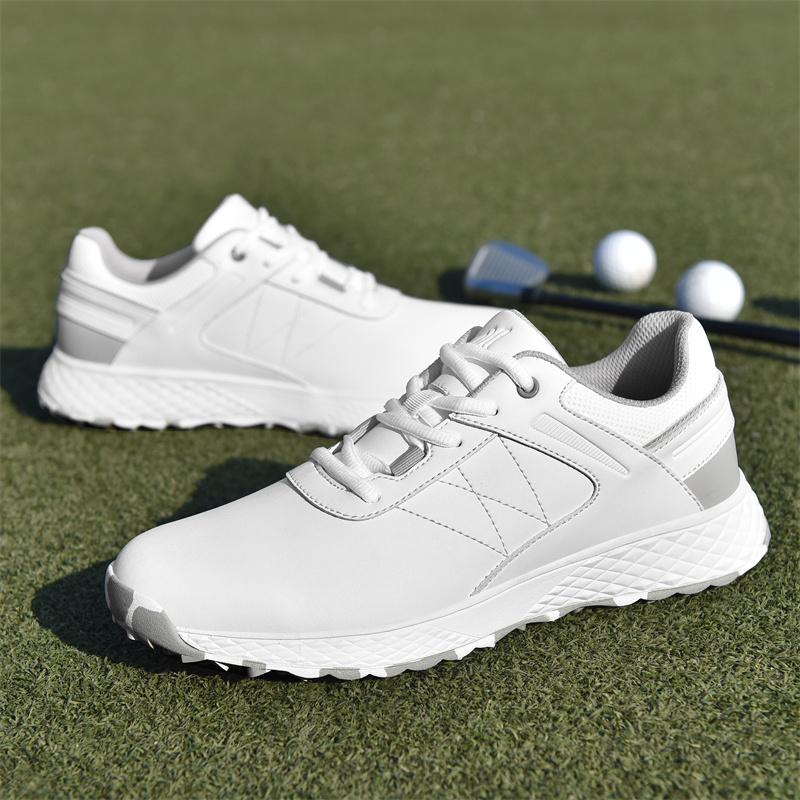
Premium athletic footwear utilizes engineered upper materials to balance flex resistance and moisture control.
Material selection involves balancing manufacturing realities against consumer expectations. You must evaluate the financial and operational trade-offs.
We must compare the upfront manufacturing and purchasing costs accurately. Genuine leather commands a premium price at the tannery level. PU leather costs significantly less per square meter to produce. However, we should frame this conversation around Cost-Per-Wear over the shoe's lifecycle. A premium leather shoe might cost twice as much initially. It often lasts four times as long. This extended lifecycle delivers better value for the heritage consumer.
Theoretical lifespan means nothing without addressing end-user behavior. Genuine leather only achieves its maximum durability if the user maintains it. Consumers must condition, clean, and dry the leather properly. Most consumers skip these steps entirely. If neglected, natural leather degrades surprisingly fast. PU leather guarantees its stated lifespan with absolute zero maintenance. You simply wipe it clean. This reality makes PU highly attractive for casual consumers.
Supply chain consistency matters deeply for mass production. Genuine leather presents inherent batch-to-batch variations. You will encounter differences in thickness, natural scar defects, and color absorption. Cutting natural hides results in high material waste. PU leather offers 100% yield consistency. Every roll matches perfectly. However, PU carries hidden inventory risks. Premature hydrolysis can ruin an entire production run if factories store the materials in humid, un-climate-controlled warehouses.
You need a clear decision matrix to choose the right upper material. Match the material explicitly to your product goals.
Select natural leather for premium, heritage-driven athletic wear. It dominates indoor sports where heavy moisture exposure remains low. Choose it when you want long-term conformability. Natural leather justifies a higher retail price point because discerning customers value its repairability and classic aesthetic.
Specify PU leather for budget-to-mid-tier product lines. It excels in highly wet environments. For example, waterproof golf Shoes utilize PU extensively to block morning dew. PU also fits fast-fashion sports models perfectly. Many consumers upgrade their athletic shoes every one or two years anyway. PU easily survives this short upgrade cycle.
You do not always have to choose just one. We highly recommend combining materials strategically. You can use genuine leather vamps. This placement provides superior durability and comfort where the foot flexes most. You can then use PU leather for the heel counters and side panels. This hybrid approach adds structural rigidity and reduces overall shoe weight.
Never accept synthetic materials based solely on visual inspection. When you audit a manufacturing partner for synthetic footwear, request their Bally Flex test data. This standardized test bends the material thousands of times mechanically. It ensures the PU layer will not delaminate or crack under continuous, heavy bending.
Neither material holds a universal title as "more durable." Each material dominates specific scenarios. Genuine leather wins easily on absolute longevity and physical tear resistance. PU leather wins on immediate environmental resistance, weight reduction, and minimal maintenance requirements.
To make the smartest decision, follow these action-oriented next steps:
Align your material choice strictly with the product's intended athletic environment. Wet grass requires different defenses than hardwood courts.
Evaluate your target customer's replacement cycle. Do not pay for a ten-year material if the user discards the shoe after two seasons.
Request objective mechanical testing data, like the Bally Flex test, before finalizing any synthetic material orders.
Consider hybrid material designs to capture the specific benefits of both leather and advanced polyurethanes.
A: Basic PU leather peels easily due to a chemical process called hydrolysis. Frequent flexing and trapped sweat accelerate this breakdown. However, modern high-grade microfiber PU resists peeling significantly longer than cheap alternatives. It handles flex-point stress much better.
A: Yes, you can waterproof natural leather. Manufacturers apply Durable Water Repellent (DWR) coatings at the factory. Consumers can also use aftermarket waxes and sprays. You must reapply these treatments regularly, as heavy grass friction wears the protective layer away quickly.
A: Modern PU and engineered synthetic meshes are significantly lighter than full-grain leather. This weight reduction aids vertical leap and sprint speed. Synthetic materials improve immediate athletic performance, even if they have a slightly shorter structural lifespan.
A: You should expect 1 to 3 years of active use. The exact lifespan depends heavily on storage conditions, ambient humidity, and direct friction exposure. Once the polymer coating begins to peel, you must replace the shoe.


