


Views: 0 Author: Site Editor Publish Time: 2026-01-20 Origin: Site


Choosing the right footwear can make or break your performance in sports. Have you ever wondered why soccer shoes are so different from regular athletic shoes? The wrong shoe can cause discomfort, lack of support, and even injury.
In this article, we will explore the key differences between soccer shoes and regular athletic shoes. You’ll learn why soccer shoes are crucial for optimal performance and injury prevention on the field.
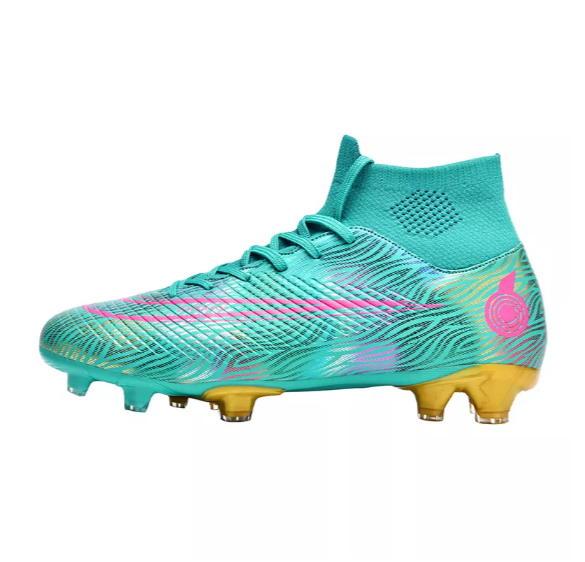
Soccer shoes, or cleats, are specially designed to meet the unique demands of the sport. Unlike regular athletic shoes, which are made for general physical activities, soccer shoes are engineered to give players a competitive edge on the field. Let’s explore the defining features of soccer shoes, which set them apart from regular shoes.
Soccer shoes are designed to offer maximum traction, control, and stability, all of which are essential for success on the soccer field. These shoes are equipped with cleats, which are strategically placed to grip the grass or turf, allowing players to maintain their footing during quick directional changes. These features help players perform high-speed maneuvers and maintain balance under intense physical conditions. In contrast, regular athletic shoes are meant for general-purpose activities like running, walking, or gym workouts and are not designed with the specific needs of soccer in mind.
The most distinctive feature of soccer shoes is their studded outsoles. These studs vary in shape and size depending on the playing surface and provide the necessary grip for players to change direction, accelerate, and decelerate rapidly. Unlike regular athletic shoes, which have a smooth or minimal tread pattern, soccer shoes prioritize traction and stability over cushioning and comfort. This is particularly important during sudden stops, quick turns, and rapid acceleration, which are common in soccer but less frequent in activities like running or general fitness exercises.
Regular athletic shoes focus more on comfort, cushioning, and support for all kinds of physical activities, including running and general workouts. While they offer good foot support and cushioning, they lack the specialized design that soccer players need to perform optimally on the field. Regular shoes are not equipped with studs and may cause players to slip or struggle with quick movements on grass or turf fields, which can significantly affect their game. Soccer shoes, on the other hand, are purpose-built to address the dynamic and fast-paced nature of the sport.
Soccer shoes are all about performance, and their design reflects this. The key design element of soccer shoes is the studded sole. Let’s break down the types of studs and their roles in enhancing performance on the field.
| Stud Type | Best For | Purpose |
|---|---|---|
| Firm Ground (FG) | Natural grass fields | Provides stability and grip on firm, dry grass fields, maintaining solid contact with the ground. |
| Soft Ground (SG) | Wet, muddy fields | Deeper penetration for extra traction in slippery, soft conditions, allowing stability even on challenging surfaces. |
| Artificial Ground (AG) | Artificial turf | Shorter studs provide optimal grip without damaging synthetic turf, offering good traction without compromising the integrity of the field. |
The studs on soccer shoes provide a level of grip that regular athletic shoes simply can't match. This grip allows players to change directions quickly without losing balance, making it easier to accelerate, decelerate, and pivot. Soccer involves dynamic movements like sudden stops and sharp turns, and without the right traction, players can easily slip and lose control of the ball. Soccer shoes are specifically engineered to provide this enhanced grip, which is essential for maintaining stability during the unpredictable nature of the game.
Soccer shoes are engineered to enhance player performance while also minimizing the risk of injury. Here's how they contribute to both.
The snug fit and lightweight design of soccer shoes help players maintain their speed and agility throughout the game. Unlike regular shoes, which may be bulky and restrictive, soccer shoes allow for swift movements, crucial for cutting, sprinting, and shifting direction. The lightweight construction ensures that players can move with ease, helping them stay agile and perform at their best for the full duration of the match.
Injury prevention is a major factor in the design of soccer shoes. The studs help players maintain a strong grip on the field, preventing slips and falls that could lead to ankle sprains or other injuries. The lightweight construction of soccer shoes also reduces the risk of foot fatigue and strain over long periods of play, helping athletes avoid injuries associated with excessive pressure or improper footwear.
The key differences between soccer shoes and regular athletic shoes come down to the fit, traction, cushioning, and materials used.
| Feature | Soccer Shoes | Regular Athletic Shoes |
|---|---|---|
| Fit | Snug, form-fitting for control and agility | Looser, more comfortable for general activities |
| Traction | Specialized studs for grip on grass and turf | Flat or minimal tread pattern, not designed for traction on grass |
| Cushioning | Minimal cushioning, focused on stability | More cushioning for comfort during long use |
| Weight | Lightweight for speed and agility | Bulkier for comfort and support |
| Materials | Synthetic or leather, lightweight | Synthetic or mesh, with more padding and support |
Soccer shoes are designed to fit snugly around the foot, providing a precise fit that helps with ball control and agility. The tighter fit allows players to feel more connected to the ball, making it easier to pass, shoot, and dribble. Regular athletic shoes, on the other hand, are built for comfort and may be roomier, offering more padding for general sports activities but not the precision needed for soccer. Soccer shoes focus on performance, and their snug fit ensures that players can move effectively and make quick, controlled movements on the field.
Soccer shoes have specialized studs designed to provide superior traction on grass and turf fields, whereas regular athletic shoes typically feature a smooth or minimal tread pattern. The traction from the studs in soccer shoes allows players to maintain stability during high-speed movements, while regular shoes may cause slipping during sharp turns or rapid acceleration. This lack of traction can be dangerous and impact performance, which is why soccer shoes are a necessary part of any serious player's kit.
Soccer shoes typically have minimal cushioning, especially in the heel area, because players don’t need extra padding during play. The focus is on performance, not shock absorption. Running shoes, in contrast, are designed with more cushioning to absorb the impact of repetitive footfalls over long distances. The different demands of these two sports necessitate different designs: soccer players need shoes that allow them to maintain balance and speed, while runners require shoes that absorb the repeated impact of their feet hitting the ground.
Soccer shoes are made from lightweight materials to enhance agility and speed. They use synthetic or leather uppers, offering durability while maintaining a lightweight design. Regular athletic shoes, however, are often bulkier with more padding and support to ensure comfort during prolonged use, which can be a disadvantage for soccer players who need to remain light on their feet. The materials used in soccer shoes help reduce weight without sacrificing durability, ensuring that players can stay quick and agile throughout the game.
Soccer shoes are built for precision and agility, requiring a form-fitting design that helps players perform at their best.
A snug fit in soccer shoes enhances the player's ability to make quick, precise movements. The close contact between the shoe and the foot provides better control of the ball, allowing players to execute fast turns, dribbles, and shots with accuracy. The snug fit also helps players feel more connected to the ground, allowing them to pivot and change direction more easily.
While regular athletic shoes provide comfort with a looser fit, soccer shoes must fit tightly to allow for greater control. Regular shoes may not provide the same level of foot-to-ground connection, which is crucial for playing soccer. The snug fit of soccer shoes is essential for making quick directional changes and performing at your highest level.
Soccer shoes are specifically designed to perform on grass or turf fields, and their studded soles give them an edge in terms of traction.
The studs on soccer shoes are engineered to dig into the ground and provide superior grip. This allows players to move quickly and confidently without losing traction. Soccer involves fast movements, including sudden stops and pivots, and the studs ensure that players can maintain their footing, which is crucial for performance.
Regular athletic shoes, while great for running on flat surfaces, are not optimized for the quick lateral movements required in soccer. Their smooth soles are designed for forward motion, making them less effective on grass fields where agility is key. Soccer shoes, however, are engineered with studs that help players navigate the field quickly and securely.
Wearing the right footwear is essential for preventing injuries and optimizing performance.
Each sport has unique demands, and wearing the right type of shoe is essential to meeting those demands. Soccer shoes are built specifically for soccer, while running shoes are designed to cushion impacts and support long-distance running. Using the wrong shoes can lead to discomfort, reduced performance, and increased risk of injury. By selecting the appropriate footwear, athletes can ensure that they are fully supported and can perform at their best.
Soccer shoes are designed to provide the traction, support, and control needed for playing soccer on grass or turf. Running shoes, on the other hand, are built to support your feet during the repetitive motion of running, with extra cushioning to protect against impact. Mixing the two can compromise both your performance and safety, so it's essential to use the right footwear for each activity.
Soccer shoes come in several different styles, each specifically designed for a particular type of playing surface. Choosing the right pair is essential to optimize your performance and avoid injuries. Using the wrong type of shoes can result in poor traction, discomfort, and potentially even injury, as shoes designed for one surface may not provide the necessary support or grip for others. Whether you're playing on natural grass, artificial turf, or in an indoor arena, selecting the right shoe will ensure that you get the best traction, stability, and comfort for your specific playing environment.
Firm ground (FG) soccer shoes are designed for natural grass fields, particularly those that are dry or firm. The longer, more pronounced studs help anchor players firmly to the ground, providing stability during quick movements and sharp turns. These shoes are perfect for fields that offer decent traction but aren’t too muddy or soft.
On the other hand, artificial ground (AG) shoes are specifically made for synthetic turf. They feature shorter, more numerous studs, offering a more even distribution of pressure to prevent the shoes from damaging the artificial surface. These shoes provide excellent grip without tearing up the turf, which is a common problem with firm ground shoes.
Indoor soccer shoes, used for futsal or other indoor soccer variants, are equipped with smooth, non-marking soles to prevent damage to the indoor courts. These shoes are lighter and more flexible than their outdoor counterparts, which allows players to move quickly and easily without feeling weighed down. Their lightweight design also helps prevent foot fatigue, enabling players to perform at their best throughout the game.
Indoor soccer shoes, or futsal shoes, are built to support the fast-paced and agile movements required in indoor soccer. These shoes are designed with a flat, non-marking rubber sole that provides optimal traction on smooth indoor courts. The absence of studs helps in avoiding damage to the court surface while still offering superior grip during quick footwork and pivots. Additionally, indoor shoes are generally lighter and more flexible than their outdoor counterparts, which allows players to move quickly and easily without feeling weighed down. Their lightweight design also helps prevent foot fatigue, enabling players to perform at their best throughout the game.
While running shoes are great for their intended purpose—long-distance running on flat surfaces—they don’t provide the necessary features for playing soccer. Soccer involves rapid acceleration, quick directional changes, and sharp pivots, which require shoes that offer much more than what running shoes can provide. The flat, smooth soles of running shoes do not offer the necessary traction on grass or turf fields, and their design doesn’t support the lateral movements soccer demands.
Running shoes are typically designed with more cushioning to absorb the repetitive impacts of running over long distances. The extra cushioning in the heel and forefoot is meant to protect the runner’s joints from the constant pounding on hard surfaces. However, soccer shoes have minimal cushioning because soccer involves a lot of lateral movements and quick stops rather than long strides. The emphasis in soccer shoes is placed on support and stability, with the design focusing on providing a snug fit to enhance control and precision. Soccer players need more support for fast, sharp movements, which running shoes don’t adequately provide.
Soccer shoes are specifically engineered for short bursts of high-intensity activity, not for long-distance running. They are lighter and have a minimal amount of cushioning to allow for better agility and control. The lack of cushioning in soccer shoes means they are not suited to absorb the constant impact from running long distances. Over long periods, wearing soccer shoes for running can lead to foot fatigue, discomfort, and potential injuries, as they don't offer the same level of shock absorption that running shoes provide.

While it might be tempting to use regular athletic shoes for a quick soccer game, they are not designed to handle the specific demands of the sport. Here’s why:
Regular shoes do not have the specialized studded soles required for traction on grass or turf fields. Without the necessary grip, players are more likely to slip during sudden stops, turns, or pivots. This lack of traction can lead to serious injuries, such as ankle sprains or knee strain, due to unstable footing. Additionally, regular shoes are often bulkier and don’t provide the flexibility needed for quick movements, further compromising stability and performance on the field.
Regular athletic shoes are designed for activities that involve mostly forward motion, like running or walking. Soccer, however, involves frequent lateral movements—side-to-side shifts, quick direction changes, and sharp pivots—none of which regular shoes support well. Because they lack the precise fit and traction necessary for ball control and stability, using regular shoes for soccer can lead to poor performance. For example, players may struggle with controlling the ball, executing precise passes, or maintaining speed and balance during fast breaks. Regular shoes simply don't offer the control or responsiveness needed for effective soccer play.
In casual, non-competitive settings, regular shoes might be enough if the game is not intense and there are no concerns about performance or injuries. If you're playing a light, fun game with friends in a non-competitive environment, regular shoes could suffice. However, if you are playing seriously, participating in a tournament, or regularly engaging in soccer practice, investing in proper soccer footwear is essential. Wearing the correct shoes will ensure better performance, reduce the risk of injury, and help you play your best on the field.
This expanded content provides more detailed insights into each aspect, helping readers understand not only why the right footwear matters but also how to choose the correct shoes for different surfaces and soccer-related activities.
Soccer shoes are crucial for performance and injury prevention, offering grip, agility, and support. Whether playing on grass, turf, or indoors, the right shoes make a big difference. Serious players must invest in soccer shoes that match their playing surface and style for optimal comfort and functionality.
When choosing soccer shoes, prioritize fit, comfort, and performance. Make sure to select shoes that suit your specific needs for better safety and game performance.
For those looking to enhance their game, QuanZhou Asterism Import and Export Co., Ltd. offers top-quality soccer shoes. Their products are designed for durability and functionality, providing players with shoes that elevate their performance while reducing injury risks.
A: Soccer shoes are designed for optimal traction, stability, and control on grass or turf, while regular athletic shoes prioritize comfort and cushioning for general use.
A: Soccer shoes provide specialized studs for better grip and support during fast-paced movements, which regular athletic shoes can't offer.
A: While regular athletic shoes may work for casual play, they lack the traction and support needed for serious soccer performance, potentially increasing injury risk.
A: Soccer shoes enhance performance by providing the right traction, a snug fit, and flexibility for quick lateral movements and ball control.
A: For artificial turf, opt for artificial ground (AG) soccer shoes, which have shorter studs to provide optimal traction without damaging the surface.


