


Views: 0 Author: Site Editor Publish Time: 2026-01-13 Origin: Site


Choosing the right soccer shoes can make or break your performance. Have you ever wondered if your shoes are helping or hindering your game? The right pair of soccer shoes plays a crucial role in enhancing your speed, agility, and ball control.
In this article, we will explore the top features to consider when buying soccer shoes. You'll learn how to choose the perfect fit based on your playing surface and style. By the end, you’ll be ready to select shoes that boost your performance and reduce injury risk.
| Shoe Type | Best For | Key Features |
|---|---|---|
| Firm Ground (FG) | Dry to moderately wet natural grass | Conical studs for traction, great for firm natural surfaces |
| Soft Ground (SG) | Wet, muddy, or saturated fields | Removable metal studs for better traction on soft, wet ground |
| Artificial Ground (AG) | Synthetic turf | Shorter and more numerous studs to reduce joint stress on synthetic fields |
| Turf (TF) | Short-pile artificial turf | Flat rubber outsole, great for quick direction changes on synthetic surfaces |
| Indoor (IN) | Indoor courts or smooth surfaces | Non-marking, smooth rubber sole for maximum grip on hard indoor surfaces |
Firm ground (FG) shoes are the most commonly used cleats and are ideal for natural grass fields with dry to moderately wet conditions. The studs on these shoes are typically conical, providing excellent traction and allowing players to make quick movements with stability. These shoes are designed to work on firm surfaces, ensuring that you get the best grip and control over the ball. They are especially effective on fields where the ground is not too hard or too soft, giving players a balance between comfort and performance.
In addition to their grip, firm ground shoes are built to be durable, making them a good investment for players who frequently play on natural grass. The conical studs are strategically placed to offer traction while also allowing for smooth rotational movements, which is crucial for players who make a lot of quick turns.
Soft ground (SG) soccer shoes are specifically designed for wet, muddy, and slippery fields. These cleats often feature removable metal studs, allowing for better traction and stability on soft or saturated ground. The longer studs penetrate deeper into the ground, preventing slippage and ensuring that players maintain control, even in adverse weather conditions. SG shoes are ideal when playing in conditions where the field is wet and heavy, such as after rain or during the winter months.
Metal studs are the key feature of SG shoes, providing unparalleled grip in the toughest conditions. They allow players to maintain control over the ball and execute swift movements without the fear of slipping. However, it’s important to note that these shoes are not ideal for artificial turf or harder surfaces, as the metal studs may cause damage to the field and could lead to injury on harder ground.
Artificial ground (AG) shoes are crafted for synthetic turf, which has different demands compared to natural grass. These cleats are designed with shorter and more numerous studs, which provide a broader surface area for even traction. This setup reduces stress on the joints and prevents the studs from getting stuck in the turf, improving comfort during long play sessions. AG shoes are often lighter than SG shoes, offering more flexibility without sacrificing stability.
These shoes are perfect for modern artificial grass fields, commonly found in indoor soccer arenas or facilities with synthetic pitches. They distribute weight evenly across the surface, helping to maintain traction without causing excessive wear and tear on the shoes. AG cleats are great for players who need to maintain a high level of speed and mobility.
Turf shoes (TF) and indoor shoes (IN) are optimized for hard or artificial surfaces, such as indoor courts or short-pile turf. Turf shoes have a flat rubber outsole with numerous small studs, providing excellent grip on synthetic or artificial turf. They are designed to handle the demands of quick sprints and rapid changes in direction. Indoor shoes, on the other hand, have a smooth, non-marking rubber sole that ensures optimal traction on indoor gym floors and courts.
Both types of shoes are ideal for small-sided games, such as futsal or indoor soccer, where precision and agility are crucial. The key difference is that indoor shoes offer minimal grip on the soles, making them suitable for very smooth surfaces. Turf shoes, with their denser stud pattern, provide better traction on firmer synthetic surfaces like older artificial grass or hard indoor courts.
The stud configuration is one of the most critical aspects of soccer shoes. It directly influences traction, stability, and movement on the field. Understanding the different types of studs and their benefits is key to selecting the right shoe for your playstyle.
| Stud Type | Ideal For | Benefits | Best Surface/Playstyle |
|---|---|---|---|
| Conical Studs | Agility, quick turns, and rotational movement | Smooth pivoting, ideal for quick direction changes | Firm ground, mid-range playstyle |
| Bladed Studs | Explosive sprints and sudden stops | Aggressive traction, quick acceleration and deceleration | Soft ground, aggressive players |
| Mixed Studs | Balanced traction and mobility | Combines benefits of conical and bladed studs | Versatile, all-around playstyle |
The material of the shoe's upper affects comfort, durability, and weight. Depending on your priorities, whether it's flexibility, durability, or comfort, the material you choose will make a significant difference in how the shoe feels and performs.
Leather: Leather offers a natural feel, molds to your foot over time, and provides superior durability. Leather shoes tend to provide excellent ball control and a smooth touch, making them a favorite among many players. However, leather requires regular care, especially in wet conditions, as it can absorb water and stretch.
Synthetic Materials: These shoes are lighter, more weather-resistant, and typically offer a snugger fit. Synthetics are often chosen by speed-focused players for their flexibility and responsiveness. Synthetic materials are usually more affordable than leather and are easier to maintain.
Knit Upper Shoes: Knit uppers provide a sock-like fit, offering great flexibility and support, especially for players seeking comfort and ankle support. Knit shoes often feature stretchy materials that adapt to the foot's shape, improving comfort and fit.
A well-cushioned shoe is essential for reducing the impact on your joints during sprints, jumps, and sudden stops. Shoes with excellent shock absorption help prevent long-term damage to your feet and knees, especially during intense play. Cushioning can also help prevent foot fatigue during long matches or training sessions.
Look for shoes with cushioned insoles or additional padding in the sole to enhance comfort.
Shoes with good arch support can help distribute pressure evenly and prevent foot fatigue.
The right fit ensures maximum performance and injury prevention. A shoe that is too tight can cause blisters and discomfort, while one that is too loose can lead to instability and a lack of control.
Snug Fit: Soccer shoes should fit tightly around the midfoot, ensuring stability without causing discomfort.
Width and Toe Box: Ensure that there is enough room in the toe box to avoid cramped toes, but not too much room for excessive movement.
Forwards and wingers rely on speed and agility to beat defenders and create scoring opportunities. Therefore, lightweight shoes that provide a snug fit and allow for quick movements are essential. Look for shoes that prioritize speed, ball control, and comfort, enabling you to move swiftly and change direction on a dime.
Midfielders cover a lot of ground and need shoes that provide a balance of comfort, control, and support. They require shoes that offer stability for long-distance running and the ability to make precise passes and shots. Midfielders should look for shoes with excellent grip and cushioning for comfort and performance during extended play.
Defenders need shoes that offer stability and protection, especially for rapid direction changes and tackles. Shoes with a more rigid design and a focus on traction in the heel area are ideal for defenders. These shoes help maintain balance during defensive maneuvers and when making critical challenges on the field.
Goalkeepers require shoes that provide excellent traction and flexibility, particularly in the toe area for quick movements. Shoes designed for goalkeepers should prioritize grip and offer protection from impact while allowing quick lateral movements. The right shoes will help goalkeepers react faster and stay agile during the game.
The durability of soccer shoes depends heavily on the materials used. Leather shoes tend to last longer but require more care, while synthetic shoes may not last as long but are easier to maintain. Consider your playing frequency when choosing the material.
Leather: Durable and comfortable but requires proper cleaning and conditioning.
Synthetic: More resistant to the elements but may show signs of wear after heavy use.
Soccer shoes can wear out quickly, especially if used frequently for training and matches. Generally, shoes should be replaced every 6-12 months, depending on how often they are used. Players who play several times a week or have intense training sessions may need to replace their shoes more often.
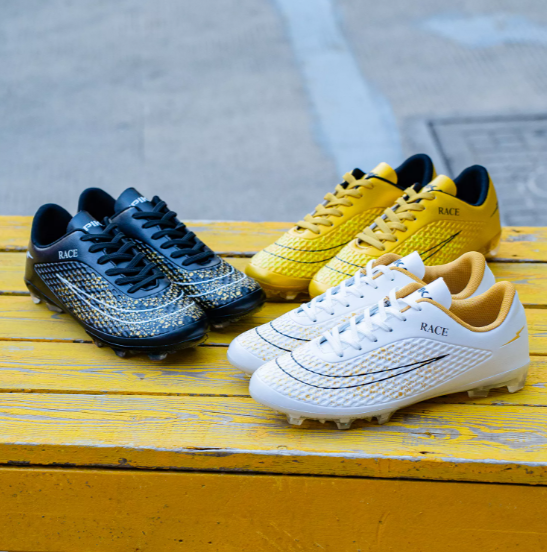
Entry-level soccer shoes are perfect for recreational players or beginners who are just getting started. These shoes typically provide good value without the advanced features found in higher-end models. They are designed to offer comfort and basic performance at an affordable price.
Mid-range soccer shoes offer a balance between quality and price. They are ideal for players who want better performance features without the premium price tag. Mid-range shoes provide durability, comfort, and advanced features like better traction and cushioning, making them a great option for most competitive players.
Premium soccer shoes are designed for professional players or serious athletes who require the latest technology, the best materials, and advanced features for top performance. These shoes typically offer cutting-edge technologies for optimal comfort, speed, and control on the field.
Choosing the right soccer shoes is crucial for performance and injury prevention. From beginners to professionals, each player needs shoes tailored to their style and position. Always consider factors like fit, surface type, and playstyle when selecting shoes. With the right pair, you can perform at your best and stay safe.
For those looking for high-quality soccer shoes, QuanZhou Asterism Import and Export Co., Ltd. offers a variety of options. Their products are designed to provide exceptional comfort, support, and durability, helping players excel on the field.
A: When buying soccer shoes, consider the type of surface, stud configuration, material, cushioning, and fit. The right combination will improve performance and prevent injuries.
A: For artificial turf, look for Artificial Ground (AG) soccer shoes. These have shorter, more numerous studs to provide even traction and reduce joint stress.
A: Proper fit ensures comfort, support, and control. Ill-fitting shoes can lead to blisters, instability, or injury, affecting your overall performance.
A: Synthetic soccer shoes are lighter and weather-resistant, but leather shoes tend to be more durable and mold to your foot over time. It depends on your playstyle and preference.
A: Yes, the right pair of soccer shoes can enhance your speed, agility, and control, allowing you to perform better while minimizing the risk of injury.
A: The price varies based on features, brand, and material. Entry-level shoes may cost less, while premium soccer shoes can be more expensive due to advanced technology and materials.


