


Views: 0 Author: Site Editor Publish Time: 2025-11-04 Origin: Site


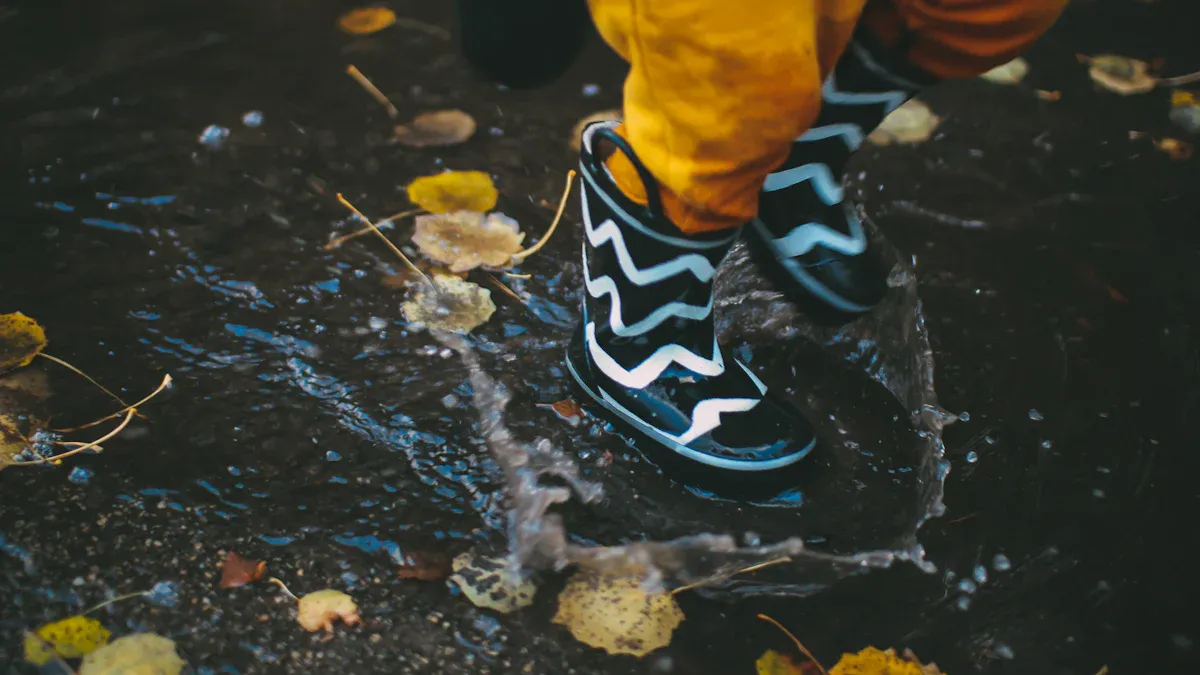
When you step out for a rainy day on the water, you want fishing shoes that keep your feet dry and steady. Grip, waterproofing, and comfort matter most. You can trust brands like Muck boots, Xtratuf, LaCrosse, CAT, Wolverine, and Carolina. Each brand designs shoes that handle wet rocks, slippery docks, and muddy banks. If you want to avoid soggy socks and slips, the right pair makes a big difference.
Pick fishing shoes that use waterproof materials like rubber and EVA. These help keep your feet dry when it is wet outside.
Find shoes with non-slip soles that have a high SRC rating. This helps you stay safe on wet rocks and docks.
Choose shoes that dry fast so your feet do not stay wet. Look for hydrophobic materials and drainage channels inside the shoes.
Make sure the shoes are comfortable with soft insoles and designs that let air in. This helps you fish longer without your feet hurting.
Clean your fishing shoes often and dry them well. This makes them last longer and keeps them waterproof.
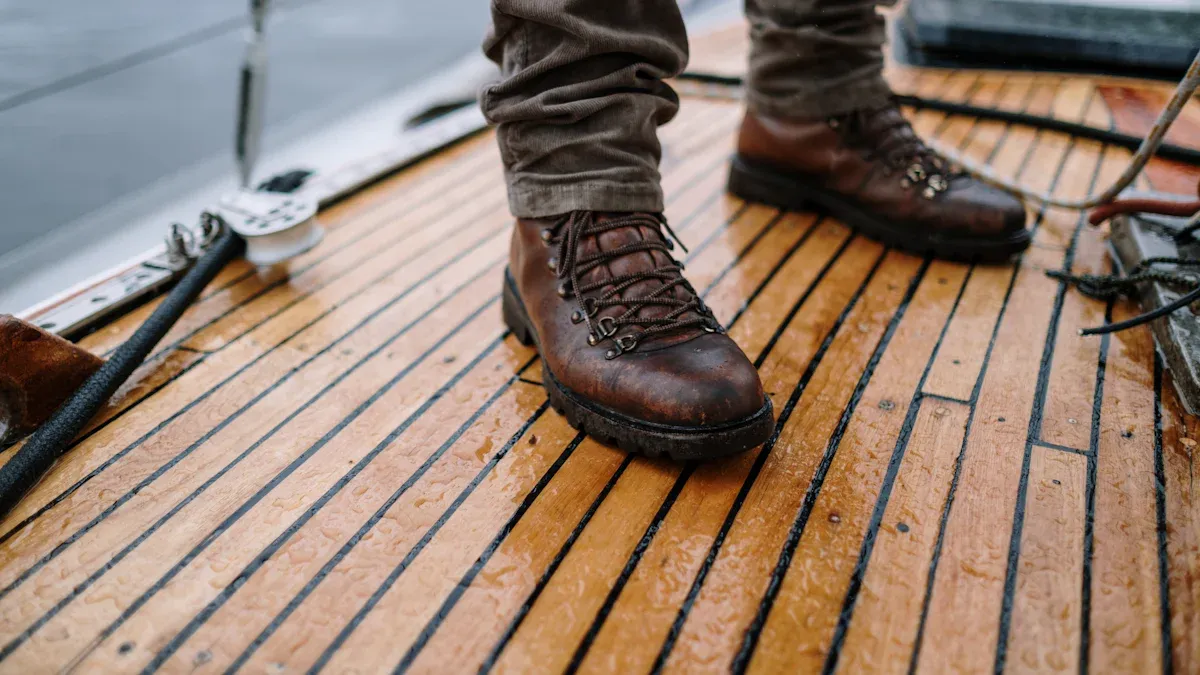
You want Fishing Shoes that keep your feet dry, even when the rain pours or you step in puddles. Most waterproof shoes use rubber because it blocks water really well. EVA (Ethylene Vinyl Acetate) also helps keep moisture out. Some shoes add drainage holes or mesh panels so water escapes quickly. If you fish in sandals, boots, or water shoes, check for these features. They make a huge difference when you’re standing in wet grass or on a muddy bank.
Tip: Shoes with drainage features let water out fast, so your feet don’t stay soggy.
Rubber keeps water out.
EVA resists moisture.
Drainage holes or mesh help water escape.
Slippery rocks and wet docks can be dangerous. You need soles that grip tight. The SRC rating shows how well a shoe handles slick surfaces. It means the sole passed tough tests on ceramic and steel, so you can trust your step. Some Fishing Shoes use special outsoles like Kling-On® Deck or OmniTrax® Interchangeable Sole System. These designs give you extra traction, whether you’re on a boat or riverbank.
Salt Sneaker: Kling-On® Deck outsole for grip.
Bantam Lite™: OmniTrax® system for custom traction.
Wet feet feel uncomfortable. Quick-dry features help your shoes shed water fast. Hydrophobic materials push water away, so shoes dry quicker and stay light. Internal drainage channels move water out through ports in the midsole. Here’s a look at some quick-dry tech:
| Feature | Description |
|---|---|
| Hydrophobic materials | Fast drying, keeps shoes light and comfy. |
| Internal drainage | Channels water out, reduces weight and sogginess. |
Even with these features, some shoes still need up to 24 hours to dry. Canvas and athletic shoes dry faster than leather boots.
Waterproof boots take longer to dry.
Canvas dries quickly.
You spend hours fishing, so comfort matters. Avoid cheap rubber or floppy boots. Look for cushioned insoles and foam midsoles. Lightweight boots help your back and legs feel better. Good arch support lets you walk farther without pain. Breathable nylon keeps your feet cool and stops odors. It also dries fast and prevents bacteria from growing, so your feet stay healthy.
Cushioned insoles and foam midsoles feel soft.
Lightweight boots reduce strain.
Nylon uppers wick moisture and fight odors.
Fishing Shoes face rough conditions. You want shoes that last. Top models like Xtratuf Sport Ankle Boot and Rocky Dry Strike Waterproof Deck Boot use tough waterproof materials and slip-resistant soles. Simms Challenger Boot has vulcanized rubber for extra protection. Grundéns Deviation Ankle Boot gives great traction and keeps feet dry. Under Armour Shoreman Deck Shoes and Huk Rogue Wave Fishing Boots offer comfort, breathability, and easy cleaning.
| Fishing Shoe Model | Durability Features |
|---|---|
| Xtratuf Sport Ankle Boot | Waterproof, slip-resistant, breathable mesh, built for heavy use. |
| Rocky Dry Strike Waterproof Deck Boot | Durable, slip-resistant, lightweight, cushioned interior. |
| Simms Challenger Boot | Vulcanized rubber, waterproof. |
| Grundéns Deviation Ankle Boot | High traction, comfortable, keeps feet dry. |
| Under Armour Shoreman Deck Shoes | Lightweight, breathable, water-resistant, slip-resistant. |
| Huk Rogue Wave Fishing Boots | Comfortable, good grip, easy to clean, great for wet conditions. |
If you pick the right Fishing Shoes, you’ll stay dry, safe, and comfortable all day.
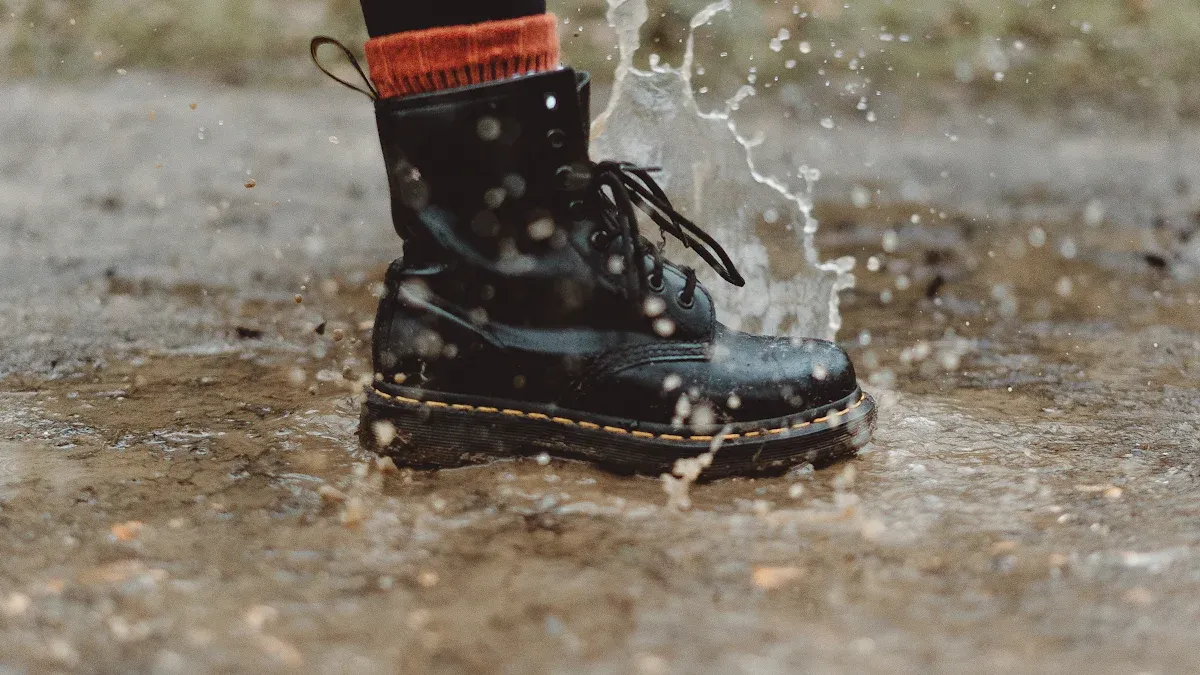
Picking the right Fishing Shoes for wet weather can be hard. You want shoes that keep your feet dry. You also want shoes that help you stand steady. Good shoes should last through tough days. Here are the best choices for different needs.
Simms G3 Guide Wading Boots are a great pick for wet weather. Many outdoor gear sites give these boots high ratings. They keep water out with strong waterproof seams. The boots let your feet breathe, so they don’t get sweaty. The fit is comfortable, and you can move easily. Tough materials make these boots last a long time.
Simms G3 Guide Wading Boots are known for waterproofing, breathability, comfort, and durability. You can trust them for fishing all day in rain or mud.
Key Performance Metrics:
Waterproofing: 10,000mm water column rating, fully sealed seams
Breathability: 5,000g+ rating
Fit and Mobility: Articulated design for easy movement
Material Durability: Commercial-grade nylon
You do not need to spend much to get good Fishing Shoes for wet weather. Many cheaper shoes use waterproof rubber and non-slip soles. These shoes work well on wet boats, muddy banks, and grass. You can find lightweight boots, camo rubber boots, and high-top wading shoes. All of these keep your feet dry and help you stand steady.
Top Budget Picks:
Lightweight waterproof rubber shoes with non-slip soles
Durable rain boots for muddy terrain
Comfortable lightweight boots for riverbanks
Camo rubber boots with anti-slip grip
Non-slip high tops for long fishing trips
Wear-resistant boots with thick soles
Gum rubber rain boots for fishing or garden tasks
Tip: Budget shoes may not last as long as expensive ones, but they still protect your feet and help you stay safe in wet weather.
If you want the best comfort and features, look at high-end Fishing Shoes. These shoes use neoprene and rubber to block water. You get soft insoles and light designs for easy walking. Non-slip soles help you stand firm on wet ground. Some high-end boots have insulation to keep your feet warm.
Popular High-End Brands:
Columbia: Waterproof shoes for all temperatures
Muck Boots: Neoprene boots for heavy rain
Xtratuf: Waterproof footwear for tough conditions
Grundens: Reliable waterproof shoes for fishing
Simms: High-quality gear trusted by anglers
Huk: Specializes in fishing footwear
High-end Fishing Shoes give you top protection, comfort, and safety. They work well for long trips and bad weather.
Saltwater fishing is tough on shoes. You need shoes that resist damage from salt. Look for quick-dry fabrics and strong soles with deep tread. Good construction helps shoes last against sharp reefs and salty water. Non-corrosive hardware and synthetic uppers last longer in the ocean. Non-marking outsoles protect your boat. Extra toe and heel protection helps your feet stay safe.
Features for Saltwater Fishing:
Quick-dry fabrics prevent sogginess
Aggressive tread for grip on wet surfaces
Durable build for saltwater and reefs
Non-corrosive hardware and synthetic uppers
Non-marking outsoles
Reinforced toe and heel
Dual-density EVA midsoles for comfort
Full neoprene linings for easy on/off
Saltwater boots resist rust and corrosion. Rinse them with fresh water after each trip to keep them in good shape.
Freshwater fishing needs shoes that keep your feet dry and comfy. High-cut rubber boots with waterproof liners work well. Soft insoles and foam midsoles help you feel good during long trips. Non-slip soles keep you safe on wet rocks and mud. Insulation pads keep your feet warm in cold weather. Quick-drying materials make cleaning easy.
Essential Features for Freshwater Fishing:
Waterproofness / Water Resistance
Comfort and Weight
Safety and Slip-Resistance
Insulation
Easy Cleaning & Care
Freshwater Fishing Shoes should be easy to clean and dry quickly. This helps you stay comfortable and keeps your shoes fresh for your next trip.
| Brand | Best For | Key Features |
|---|---|---|
| Simms | Overall, High-End | Waterproof, durable, comfortable |
| Columbia | High-End | Waterproof, all temperatures |
| Muck Boots | High-End | Neoprene, heavy rain |
| Xtratuf | High-End, Saltwater | Waterproof, corrosion-resistant |
| Grundens | High-End, Saltwater | Durable, waterproof, reinforced |
| Huk | High-End | Fishing-specific, comfort |
| Korkers | Freshwater | Interchangeable soles, grip |
| Gill | Saltwater | Non-corrosive, quick-dry |
| AFTCO | Saltwater | Marine-grade, reinforced |
| Bass Pro Shops | Budget | Affordable, reliable |
Note: Match your Fishing Shoes to your fishing environment for the best results.
When you look at fishing shoes for wet weather, you want to know how they stack up. Here’s a quick table to help you see the main features side by side:
| Feature | What to Look For |
|---|---|
| Grip | Thick treads or rubber soles that stop you from slipping on wet rocks or docks. |
| Drain Fast | Mesh panels or holes that let water out quickly, so your feet stay dry. |
| Tough Stuff | Strong materials and extra toe protection to keep your feet safe from sharp stuff. |
| Soft Insides | Cushioned insoles that feel good, even after hours of fishing. |
| Breathability | Airy designs that let your feet breathe and help stop bad smells. |
You can see that top fishing shoes focus on grip and drainage first. If you fish in the rain or step in puddles, you want water to leave your shoes fast. Thick rubber soles help you stand steady, even on slippery ground. Shoes with mesh or drainage holes keep your socks from getting soaked. Tough shoes protect your toes from rocks and shells. Soft insides and breathable designs make long days much easier.
Every fishing shoe has its ups and downs. Let’s break it down:
Waterproof Boots
Great at keeping water out.
Strong grip on mud and rocks.
Can feel heavy and take longer to dry.
Water Shoes with Mesh
Dry fast and feel light.
Let your feet breathe.
Not as much protection from sharp objects.
High-End Deck Shoes
Super comfortable with lots of padding.
Last a long time.
Cost more than basic options.
Tip: Think about where you fish most. If you walk on sharp rocks, pick tough shoes. If you fish from a boat, you might want lighter shoes that dry fast.
No shoe is perfect for every trip. You get the best results when you match your shoes to your fishing spot and weather.
You need to think about where you fish before picking your shoes. Wet weather brings slippery rocks, muddy banks, and soggy docks. Some places have saltwater, while others have freshwater. Each spot needs different shoe features. Here are things you should look for:
Grip: You want shoes that help you stand steady on wet surfaces.
Drainage: Shoes with ports let water escape fast.
Toughness: Durable materials handle rough ground and sharp objects.
Cushioning: Soft insides keep your feet comfortable all day.
Breathability: Air flow keeps your feet cool and dry.
Stain Resistance: Shoes that resist stains look better after muddy trips.
You should match shoe features to your fishing spot. If you fish in saltwater, pick boots with non-corrosive hardware and synthetic uppers. These last longer and resist damage from salt. Reinforced toe and heel areas protect your feet. Dual-density EVA midsoles give you extra cushioning. Full neoprene linings add comfort. Some boots work with cleats for better grip on slippery rocks. These features make saltwater boots perfect for wet wading and tough marine conditions.
Getting the right size matters. You want shoes that feel good and keep you safe. Here are some tips:
Size up a full size if you wear thick socks or neoprene stocking foot.
Make sure boots are not too tight or too loose.
If you are between sizes, go up to fit extra layers.
Extra inseam or length helps you move better on uneven ground.
Tip: Try your shoes on with the socks you plan to wear fishing. Walk around to check comfort and fit.
Many anglers mistakenly choose sandals or crocs for wet wading, which are not suitable and can be dangerous due to their lack of essential functions needed for safety and performance.
You should avoid shoes that do not fit well or lack support. Poor fit can hurt your feet and make you slip. Shoes without good grip or protection lower your balance and agility. Always pick shoes that match your fishing needs and keep you safe.
You want your fishing shoes to last, so cleaning them after every wet trip matters. Mud and dirt can ruin waterproof layers and make your shoes less effective. Start by brushing off loose dirt and removing the laces. Use gentle soap and warm water to scrub away any grime. Rinse your shoes well to get rid of all the soap. If your shoes are tough enough, you can toss them in the washing machine. Just check the care label first, use a mesh bag, and pick a gentle cycle with mild detergent. For delicate shoes, hand washing works best. Scrub gently and rinse until the water runs clear.
Quick Cleaning Steps:
Brush off dirt and mud.
Wash with mild soap and warm water.
Rinse thoroughly.
Air dry in a ventilated spot.
Tip: Always clean your shoes after fishing in muddy or salty water. This keeps them waterproof and comfortable.
Drying your shoes the right way helps them last longer. Never use direct heat like a hair dryer or heater. That can damage the materials. Instead, remove the insoles and laces to let air flow inside. Use a boot dryer if you have one, or just let your shoes air dry in a cool, well-ventilated area. Lean your shoes upside down for a day to drain out water, then stand them upright to finish drying. Keep them away from direct sunlight and extreme temperatures.
Drying Checklist:
Remove insoles and laces.
Use a boot dryer or air dry.
Lean shoes upside down for 24 hours.
Store in a well-lit, ventilated space.
Note: Rinsing your shoes with a hose or in the shower helps remove salt and other contaminants.
You can make your fishing shoes last longer with a few simple habits. Wash them regularly to prevent buildup of dirt and salt. Always let them dry completely before storing. Hang your waders and boots in a cool spot, never in a dryer. Store your shoes in a place with good airflow, away from sunlight and heat. Check for wear and tear often, and replace insoles if they get worn out.
| Lifespan Tips | Why It Helps |
|---|---|
| Regular cleaning | Keeps waterproofing strong |
| Proper drying | Prevents mold and odors |
| Careful storage | Avoids material damage |
| Inspect for damage | Stops problems early |
Taking care of your fishing shoes means more comfort and safety every time you fish.
You want fishing shoes that keep your feet dry and help you stand firm in wet weather. Look for waterproof materials, strong grip, quick-dry design, and comfort. Choose shoes that last and protect your feet. Safety matters most, so pick shoes with slip-resistant soles. Take care of your shoes by cleaning and drying them after each trip.
Tip: Well-maintained fishing shoes give you more comfort and keep you safe every time you fish.
Waterproofing
Grip
Comfort
Durability
Fishing shoes use waterproof materials and slip-resistant soles. You get better grip on wet surfaces. Regular sneakers soak up water and lose traction fast.
You can wear some fishing shoes for short hikes. Look for shoes with tough soles and good support. They work best on wet trails or muddy paths.
Clean your shoes after every trip. Dry them in a cool place. Sprinkle baking soda inside to fight odors. Use breathable shoes to keep your feet fresh.
Yes, many fishing shoes have insulation. You stay warm and dry. Pick boots with thick lining for cold days. Always check the temperature rating before you buy.


