


Views: 0 Author: Site Editor Publish Time: 2026-03-30 Origin: Site


Are you tired of slipping on the field or feeling discomfort during games? Choosing the right soccer shoes can make all the difference. The right footwear not only enhances your performance but also helps prevent injuries.
In this article, we’ll explore how to select the perfect soccer shoes tailored to your playing style and surface. You’ll learn about different types, key features to consider, and tips for maintaining your shoes for optimal performance.
Soccer shoes are specialized footwear designed specifically for playing soccer. They provide players with the necessary traction, support, and comfort required for optimal performance on the field. Unlike regular athletic shoes, soccer shoes have unique features tailored to different playing surfaces.
Key Features of Soccer Shoes:
● Studs: The outsole is equipped with various stud configurations to enhance grip.
● Material: Typically made from leather or synthetic materials for durability and touch.
● Fit: Designed to fit snugly, allowing for better ball control and agility.
Choosing the right type of soccer shoes depends on the playing surface. Here’s a quick overview:
Type of Soccer Shoes | Best For | Features |
Firm Ground (FG) | Dry natural grass | Short, conical studs for stability and traction. |
Artificial Grass (AG) | 3G/4G artificial turf | More numerous, shorter studs to reduce joint stress. |
Soft Ground (SG) | Wet, muddy fields | Longer, fewer studs for deep penetration. |
Turf (TF) | Older artificial turf | Small rubber nubs for grip without digging too deep. |
Indoor (IN) | Indoor courts | Flat, non-marking soles for quick movements. |
Each type is designed to enhance performance in specific conditions, making it essential to choose wisely.
Choosing the right soccer shoes impacts your overall game. It can enhance speed, agility, and control, which are crucial for any player. A good fit ensures you can make quick turns and sprints without risking injury.
Performance Benefits:
● Speed: Lightweight shoes allow for faster movements on the field.
● Agility: Proper traction helps in quick direction changes.
● Control: A snug fit improves ball handling and passing accuracy.
In addition to performance, the right shoes play a significant role in injury prevention. Ill-fitting shoes can lead to blisters, sprains, and other injuries. Here’s how proper footwear can help:
Injury Prevention Factors:
● Support: Good arch support helps maintain foot alignment.
● Cushioning: Adequate padding absorbs impact, reducing strain on joints.
● Fit: A proper fit minimizes movement within the shoe, preventing blisters and discomfort.
When selecting soccer shoes, consider factors like your playing position, foot shape, and personal preferences. Brands like Adidas and Nike offer a variety of options tailored to different needs, ensuring you find the perfect fit for your game.
In conclusion, understanding soccer shoes is crucial for any player looking to enhance their performance while minimizing injury risk. With the right knowledge, you can make an informed decision that will positively impact your game.
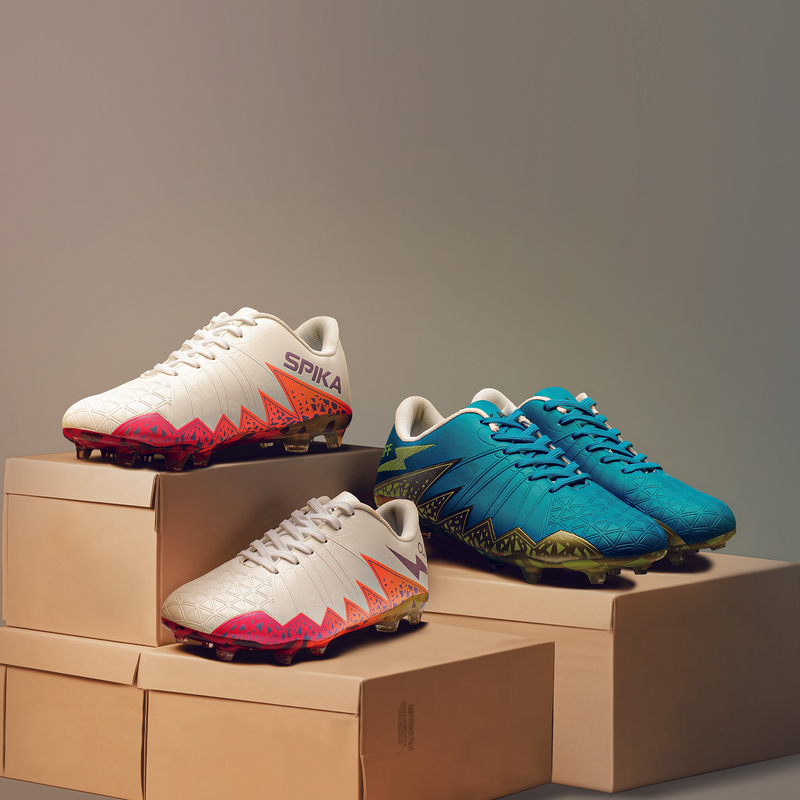
Choosing the right type of soccer shoes is crucial for maximizing your performance on the field. Different surfaces require different shoe designs, each tailored to specific playing conditions. Let’s break down the main categories of soccer shoes and their unique features.
Type of Soccer Shoes | Ideal Surfaces | Key Features |
Firm Ground (FG) | Dry natural grass | Short, conical studs for traction and stability. |
Artificial Grass (AG) | Modern turf fields | More numerous, shorter studs to reduce joint stress. |
Soft Ground (SG) | Wet or muddy conditions | Longer, fewer studs for deep penetration. |
Turf (TF) | Older artificial turf | Small rubber nubs for grip without digging too deep. |
Indoor (IN) | Indoor courts | Flat, non-marking soles for quick movements. |
FG shoes are designed specifically for dry natural grass surfaces. They feature shorter studs that provide excellent traction and stability. This design allows players to make quick cuts and maintain balance during play. If you primarily play on well-maintained grass fields, FG shoes are your best bet.
Recommended Features:
● Lightweight construction for speed.
● Good arch support for comfort during long matches.
● Durable materials to withstand wear and tear.
AG shoes are tailored for modern turf fields, which often have a different texture than natural grass. These shoes come with more numerous and shorter studs, which help distribute pressure evenly across the foot. This design minimizes the risk of joint stress and injuries, making them ideal for players who frequently play on artificial surfaces.
Benefits Include:
● Enhanced grip on synthetic turf.
● Improved comfort during extended play.
● Versatility for various playing conditions.
When playing in wet or muddy conditions, SG shoes are essential. They feature longer, fewer studs designed to dig into soft ground, providing the traction needed to prevent slipping. These shoes are perfect for those rainy days when the field turns into a quagmire.
Characteristics:
● Excellent grip in slippery conditions.
● Sturdy construction to support heavy movements.
● Increased ankle support to prevent injuries.
TF shoes are made for older artificial turf surfaces, which require a different approach. They have small rubber nubs instead of traditional studs, allowing for better grip without causing too much digging into the ground. This makes them suitable for players who often switch between grass and turf.
Overview of Design:
● Small nubs provide traction without damaging the turf.
● Lightweight materials for agility.
● Comfortable fit for all-day wear.
For indoor play, a specific type of shoe is necessary. Indoor soccer shoes, or IN shoes, have flat, non-marking soles that provide traction on gym floors without leaving marks. These shoes are designed for quick movements and sudden stops, making them essential for indoor soccer enthusiasts.
Key Features:
● Non-marking soles to protect indoor surfaces.
● Lightweight design for quick footwork.
● Breathable materials to keep feet cool.
Understanding the different types of soccer shoes helps you make an informed decision based on your playing conditions. Each category has its unique advantages, ensuring you find the right fit for your game.
When choosing soccer shoes, several key features can significantly impact your performance and comfort on the field. Understanding these aspects will help you make an informed decision that suits your playing style and needs.
A proper fit is essential for any soccer shoe. Ill-fitting shoes can lead to discomfort, blisters, and even injuries. Here’s how to ensure you choose the right size:
● Importance of Proper Sizing: Shoes that are too tight can restrict movement, while those that are too loose can cause instability. A snug fit allows for better control and agility.
● How to Measure Foot Size: To find your correct size, measure your foot length from the heel to the longest toe. It’s best to do this at the end of the day when your feet are slightly swollen. Use a ruler or measuring tape for accuracy.
● Tips for Ensuring a Snug Fit:
○ Try on shoes while wearing the socks you plan to use during play.
○ Walk around the store to check for any discomfort.
○ Ensure there’s about a thumb’s width of space between your longest toe and the end of the shoe.
The material of your soccer shoes greatly influences their performance and feel. Here’s a closer look at your options:
Material Type | Pros | Cons |
Leather | - Excellent touch and feel | - Can be heavier than synthetics |
- Molds to your foot over time | - Requires more maintenance | |
Synthetic | - Lightweight and durable | - Less breathability compared to leather |
- Often more affordable | - May not provide the same touch |
Popular brands like Adidas and Nike offer high-quality options in both categories. Adidas’ leather models provide a classic feel, while Nike’s synthetic shoes are designed for speed and agility.
Knit technology has gained popularity for its unique benefits. These materials offer a sock-like fit that enhances comfort and flexibility.
● Benefits of Sock-Like Comfort: Knit shoes adapt to your foot shape, providing a snug fit without sacrificing breathability. This makes them ideal for quick movements and changes in direction.
● Brands Utilizing Knit Technology: Brands like Puma have embraced knit designs in their lightweight soccer shoes, offering players a combination of comfort and performance.
The stud design of soccer shoes plays a critical role in traction and stability. Different shapes and patterns serve various purposes:
● Overview of Different Stud Shapes:
○ Conical Studs: Provide multi-directional traction, ideal for quick turns.
○ Bladed Studs: Offer stability during sprints and fast movements.
○ Mixed Studs: Combine both conical and bladed shapes for versatility.
● Choosing the Right Stud Pattern: Select a stud pattern based on your playing surface. For example, firm ground shoes typically have shorter, conical studs for grass, while turf shoes feature small rubber nubs for artificial surfaces.
Understanding these key features will help you select the right soccer shoes tailored to your needs. Whether you prioritize fit, material, or stud design, the right choice can enhance your game and keep you comfortable throughout the match.
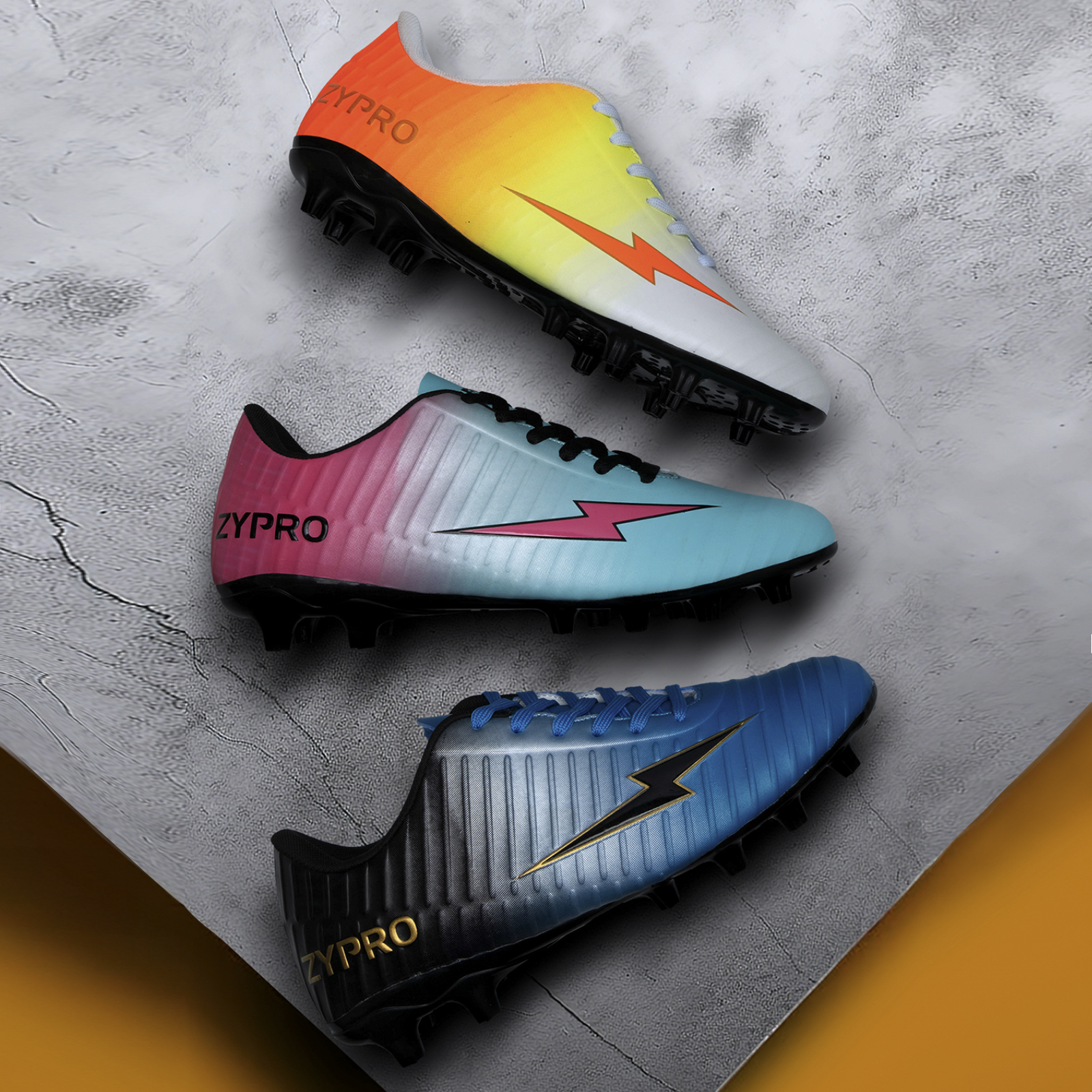
Taking care of your soccer shoes is essential for extending their lifespan and maintaining optimal performance. Proper cleaning and maintenance not only keep your shoes looking good but also ensure they function well on the field.
After each game or practice, it’s crucial to clean your soccer shoes to prevent dirt and grime buildup. Here are some best practices:
● Best Practices for Cleaning:
○ Remove Excess Dirt: Use a soft brush or cloth to remove mud and dirt from the surface. Pay special attention to the studs, where debris can accumulate.
○ Use Mild Soap: Mix a small amount of mild soap with water. Dampen a cloth with the solution and wipe down the shoes. Avoid harsh chemicals that can damage the material.
○ Clean the Insoles: Remove the insoles and wash them separately. This helps eliminate odors and keeps your shoes fresh.
● Proper Drying Methods:
○ Air Dry Only: Never place your soccer shoes in direct sunlight or use a heater, as this can warp the materials. Instead, let them air dry at room temperature.
○ Stuff with Newspaper: To help absorb moisture and maintain shape, stuff your shoes with newspaper. Replace the paper as needed until the shoes are completely dry.
Even with proper care, soccer shoes have a limited lifespan. Knowing when to replace them is key to maintaining performance and preventing injuries.
● Signs It’s Time for a New Pair:
○ Visible Wear and Tear: Look for cracks, worn-out studs, or significant scuffing on the upper material.
○ Loss of Traction: If you find yourself slipping more often, it may indicate that the studs are worn down and need replacing.
○ Decreased Comfort: If your shoes no longer feel supportive or comfortable, it’s time to consider a new pair.
● Average Lifespan of Soccer Shoes:
○ On average, soccer shoes last between 6 to 12 months, depending on usage. Players who train frequently or play in competitive leagues may need to replace their shoes more often.
○ Casual players or those who play less frequently might find their shoes last longer, but regular checks for wear are still important.
Usage Frequency | Average Lifespan |
Daily or Competitive | 6-8 months |
Weekly | 8-12 months |
Occasional (1-2 times/month) | 12-18 months |
By following these maintenance tips and knowing when to replace your soccer shoes, you can ensure they remain in top condition. This will help you perform at your best while minimizing the risk of injury.
A: It's best to use soccer shoes designed for specific surfaces. Firm Ground (FG) shoes are ideal for natural grass, while Artificial Grass (AG) shoes are suited for turf. Using the wrong shoes can lead to poor performance and increased injury risk.
A: Look for proper fit, comfort, and lightweight materials. Youth soccer shoes should provide good support and traction. Ensure they have a durable construction to withstand active play.
A: Gradually wear your new soccer shoes during practice sessions. Start with shorter durations to allow your feet to adjust. This helps prevent discomfort and blisters.
A: Often, higher-priced soccer shoes offer better materials, enhanced performance features, and durability. Investing in quality shoes can improve comfort and reduce injury risk, making them worthwhile for serious players.
Choosing the right soccer shoes is essential for performance.
Focus on fit, comfort, and the type of playing surface.
Consider materials and stud patterns that suit your style.
Regular maintenance will extend the life of your shoes.
Invest in quality options for better support and durability.
Make informed choices to enhance your game experience.


