


Views: 0 Author: Site Editor Publish Time: 2026-03-12 Origin: Site


Many riders hesitate before investing in Cycling Shoes, especially if regular sneakers already feel “good enough.” The hesitation is understandable. On the surface, cycling footwear can look like a performance upgrade meant only for serious athletes. Yet once riders understand what actually changes during a ride—how the foot feels on the pedal, how stable each stroke becomes, and how fatigue develops over time—the value becomes clearer. The question is not only about speed. It is about comfort, control, consistency, and the overall riding experience.
Cycling is a repetitive motion sport. Unlike walking or running, pedaling concentrates pressure in a limited area of the foot over thousands of rotations. Regular athletic shoes are built for varied movement, not constant circular motion. Cycling shoes, by contrast, are engineered to stabilize the foot under continuous pressure.
This added support helps reduce unnecessary internal movement. When the foot stays aligned, the rider can maintain a smoother pedaling rhythm. Over longer sessions, this stability often feels less tiring.
One of the most significant benefits of cycling shoes is the improved connection between shoe and pedal. Whether using flat pedals or clip-in systems, cycling footwear is structured to enhance grip and alignment.
For clip-in users, cleat compatibility creates a secure engagement that keeps the foot in a consistent position. For flat-pedal riders, specialized outsoles improve contact and reduce slipping. This direct connection contributes to predictable pedaling.
Regular sneakers typically feature flexible foam midsoles designed for shock absorption. While comfortable for walking, this flexibility can absorb pedaling force. Cycling shoes use firmer soles to create a more stable base.
That difference becomes more noticeable as ride duration increases. Riders often report that pedaling feels more controlled and consistent with a structured sole.
Sole stiffness influences how effectively force moves from foot to pedal. A stiffer sole minimizes unwanted bending, which can make pedaling feel more direct. Riders who train regularly or ride longer distances often appreciate this responsiveness.
The benefit is not only about racing performance. Even recreational cyclists may notice a difference in how steady their pedaling feels.
Flexible shoes can concentrate pressure on smaller areas of the forefoot. Cycling shoes distribute that pressure more evenly. This helps reduce localized discomfort during extended rides.
The value of stiffness becomes clearer during longer road sessions, structured indoor workouts, or fitness rides exceeding moderate distances. On very short casual rides, the difference may be less dramatic.
Asterism integrates different levels of sole stiffness across its product range, allowing riders to choose models aligned with their actual riding intensity rather than defaulting to extreme rigidity.
Secure fastening systems help keep the foot firmly positioned. Whether using dial systems, straps, or lace-based designs, the goal remains the same: stable midfoot and heel hold.
Reduced internal movement enhances control. When the shoe holds the foot consistently, the rider experiences smoother transitions between pedal strokes.
Modern closure systems allow micro-adjustments. Riders can fine-tune tightness depending on comfort needs. This adaptability improves long-term comfort during longer sessions.
Consistency matters in cycling. Each pedal stroke should feel similar to the last. A secure shoe reduces variability caused by shifting foot position. Over time, this contributes to a more confident riding experience.
Asterism’s cycling shoe designs emphasize balanced fastening structures that combine secure hold with comfort, reflecting the company’s accumulated footwear manufacturing expertise.
Cycling generates heat. Feet can become warm during extended sessions, particularly indoors or in warm climates. Breathable uppers allow airflow that helps manage temperature.
Ventilation is especially important during rides lasting over an hour. Poor airflow may lead to discomfort. Cycling shoes designed with breathable mesh or structured ventilation zones support comfort over time.
The challenge lies in maintaining structural support while ensuring airflow. Asterism focuses on material selection that balances durability, support, and breathability, allowing riders to experience day-to-day comfort without sacrificing stability.
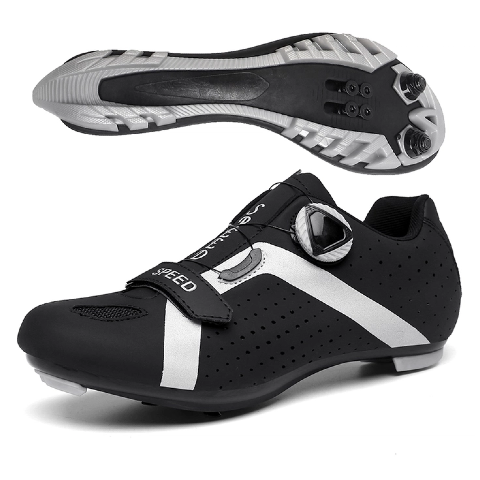
Predictability enhances confidence. When riders feel a consistent connection between shoe and pedal, movements become more controlled. This sense of control can improve overall riding comfort.
Beginners sometimes struggle with foot positioning. Cycling shoes help maintain alignment, which can support smoother pedaling technique.
Confidence influences how riders approach training and longer rides. Feeling stable and secure encourages riders to push slightly further or ride slightly longer. In this way, cycling shoes contribute not only to mechanical performance but also to rider mindset.
Road cyclists who maintain steady cadence often feel the difference in sole stiffness and secure pedal contact. The structured design of cycling shoes supports extended pedaling efficiency.
Indoor sessions emphasize consistent rhythm and sustained effort. Secure engagement and breathable materials improve comfort in studio settings.
Recreational cyclists covering longer distances on weekends frequently notice improved stability and reduced foot fatigue when wearing cycling shoes instead of standard sneakers.
For short rides to nearby destinations, the difference between sneakers and cycling shoes may not be substantial.
Low-intensity rides place less demand on foot support. In these cases, general athletic shoes remain functional.
Some users prioritize walkability over pedaling efficiency. For them, moderate-stiffness or commuter-style cycling shoes may provide a balanced option.
Feature | Cycling Shoes | Regular Athletic Shoes |
Sole Stiffness | Higher | Lower |
Pedal Support | Cycling-focused | General-purpose |
Foot Stability | More secure | More movement |
Pedal Compatibility | Cleat-ready options | Usually none |
Walk Comfort | Depends on type | Generally higher |
Riding Feel | Direct and stable | Softer and flexible |
QuanZhou Asterism Import and Export Co., Ltd., located in Jinjiang City, integrates design, development, and manufacturing under one structure. Its cycling shoe collection reflects careful attention to sole engineering and structural support.
Asterism incorporates reliable fastening systems that help maintain midfoot stability while allowing adjustable comfort. This approach supports consistent pedaling without unnecessary pressure.
Material selection plays a central role in balancing airflow and durability. Asterism’s experience in producing various functional sports footwear allows the company to refine upper construction and ventilation design according to riding conditions.
The value of cycling shoes extends beyond speed. Their real advantages lie in stability, comfort during repeated pedaling, improved pedal connection, and consistent ride control. Riders who move beyond occasional short trips often discover that structured footwear enhances their overall experience. Asterism continues to develop performance-oriented cycling footwear that integrates stiffness, secure fastening, and breathable construction into practical designs. For detailed product information or customization discussions, contact us to explore solutions tailored to your riding or business needs.
Q1: Do cycling shoes really improve riding efficiency?
Cycling shoes provide a firmer sole and more stable foot placement, which can create a more direct and consistent pedaling feel.
Q2: Are cycling shoes only for professional riders?
No. Recreational and fitness riders can also benefit from improved stability and comfort, especially during longer rides.
Q3: What are the main benefits of cycling shoes compared to sneakers?
Key benefits include better pedal support, improved foot stability, and compatibility with clip-in systems.
Q4: When are cycling shoes most useful?
They are most noticeable during longer road rides, structured indoor sessions, or frequent weekly cycling workouts.


