


Views: 0 Author: Site Editor Publish Time: 2026-03-18 Origin: Site


Switching to Cycling Shoes can noticeably improve pedal stability and riding consistency, but the first experience often feels different from wearing regular athletic footwear. The structure is firmer, the connection to the pedal may be more secure, and clip-in systems introduce a learning curve. None of this should feel intimidating. With a clear understanding of cycling shoes safety, proper setup, and a few basic habits, riders can enjoy the advantages of specialized footwear while minimizing avoidable mistakes. Taking time to understand how cycling shoe tips, cleat positioning, and routine maintenance affect daily riding will help you use them more confidently and safely from the very beginning.
One of the first sensations riders notice is sole stiffness. Compared to flexible sneakers, cycling shoes provide a firmer platform. This difference may initially feel unusual, especially when walking or standing. However, the stiffness exists to stabilize the foot during repetitive pedaling. When force is applied thousands of times in a circular motion, structural support becomes valuable.
During the first few rides, some riders feel that the sole lacks cushioning. Over time, most begin to recognize that the firmness reduces unnecessary flex and helps maintain consistent pedal pressure. The body adapts quickly when the equipment supports natural motion.
For riders using clip-in pedals, the engagement process can seem complex at the beginning. Unlike flat pedals, clip-in systems require deliberate foot positioning. This mechanical connection improves security but demands awareness.
Understanding the release direction and practicing repeatedly removes uncertainty. Most systems rely on twisting the heel outward to disengage. Once this becomes instinctive, the secure connection feels predictable rather than restrictive.
Confidence does not come from speed but from repetition. Start by clipping in while holding onto a wall or railing. Engage and release multiple times without moving forward. Gradually progress to low-speed practice on open, quiet roads. Building comfort step by step reduces hesitation and supports cycling shoes safety in real-world situations.
Compatibility is the foundation of safe use. Two-bolt and three-bolt cleat systems serve different purposes and are not interchangeable. Ensuring that your cycling shoes match your pedal system prevents unstable engagement or unexpected release.
A quick compatibility check before installation saves time and prevents frustration.
Fit influences both comfort and control. The midfoot and heel should feel supported. Excessive tightness can cause numbness, while looseness can create instability. Adjust closures until the shoe feels firm yet comfortable.
Testing fit while seated and standing gives a better sense of how the shoe behaves under slight pressure.
Dials, straps, or laces must function smoothly. Confirm that adjustments hold securely and do not loosen unexpectedly. Reliable fastening reduces internal foot movement and supports safer riding.
Check Item | What to Confirm | Why It Matters |
Fit | Secure heel and midfoot, no painful pressure | Helps stability |
Cleat Condition | Not worn or loose | Supports safe engagement |
Pedal Match | Correct cleat-pedal system | Prevents setup errors |
Closure System | Tight and functioning properly | Reduces foot movement |
Sole / Upper Condition | No visible damage | Maintains structural support |
After-Ride Care | Clean and dry properly | Extends product life |
Performing this quick inspection regularly reduces cycling shoe mistakes and improves long-term performance.
Choose a quiet area without traffic. Practice clipping in with one foot while keeping the other on the ground. Once comfortable, try engaging both feet while stationary.
Controlled practice builds familiarity before encountering unpredictable road situations.
The release motion should become automatic. Repeated twisting practice trains muscle memory. Try unclipping quickly and smoothly several times before beginning longer rides.
High-pressure environments increase anxiety. Busy intersections require quick reactions. Until unclipping feels natural, choose routes with fewer stops. Gradual progression enhances confidence and overall cycling shoes safety.
Selecting a cleat system without understanding pedal compatibility often leads to frustration. Road-oriented three-bolt cleats are optimized for paved surfaces, while two-bolt systems offer better walkability for mixed terrain.
Choosing the right system based on riding style prevents usability issues.
Design and color may attract attention, but fit determines long-term satisfaction. Poor fit can cause discomfort or instability. Always prioritize structural support over appearance.
Commuters who frequently walk may struggle with exposed cleats. Recessed-cleat designs protect hardware and provide better traction on hard surfaces. Evaluating daily routine prevents unnecessary wear and inconvenience.
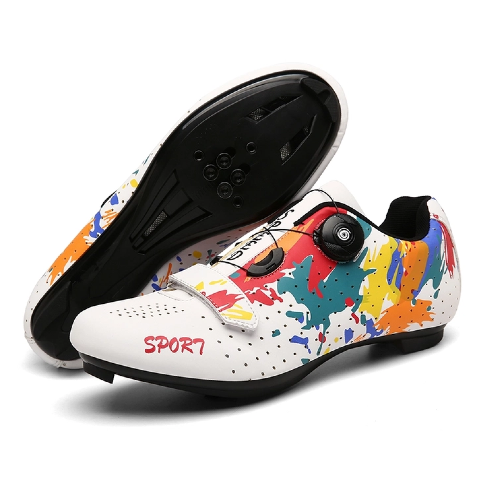
Cleats endure direct contact with pedals and surfaces. Visible rounding of edges, looseness, or difficulty engaging are clear signs of wear.
Regular inspection helps identify issues early.
Worn cleats may reduce engagement reliability. Release can feel unpredictable, which compromises safety. If clipping becomes inconsistent, replacement is advisable.
Replacing cleats restores proper engagement and enhances confidence. Timely maintenance supports safer riding and prevents mechanical surprises.
After each ride, remove dirt from the outsole and cleat area. Wipe the upper gently with a damp cloth. Keeping debris away from mechanical components ensures smoother engagement.
Avoid placing cycling shoes near high heat sources. Excessive heat can damage adhesives and materials. Air drying at room temperature preserves structural integrity.
Closures experience repeated tension. Inspect them periodically to confirm proper function. Proactive maintenance extends the lifespan of the footwear.
Consistent care reduces wear and supports predictable performance across many riding sessions.
Road-style shoes with exposed cleats are not designed for extended walking. Recessed-cleat models provide better traction and protection.
Understanding these structural differences guides daily use habits.
Rough concrete accelerates cleat wear. Limiting unnecessary walking on abrasive surfaces helps preserve cleat edges.
Plan short stops carefully and avoid dragging feet while walking. Conscious movement reduces hardware deterioration and supports long-term reliability.
A strong sole maintains consistent pedal contact. Structural rigidity ensures that engagement feels predictable across repeated rides.
Reliable fastening keeps the foot stable. Stability enhances control and reduces internal friction.
Durable materials withstand environmental exposure and repeated stress. Quality construction supports sustained performance and safety.
QuanZhou Asterism Import and Export Co., Ltd., located in Jinjiang City, integrates design, development, production, and sales under one structure. The company’s cycling shoes reflect careful attention to sole engineering, fastening security, and breathable upper construction.
These features contribute to stability and consistent engagement.
With experienced development teams and accumulated craftsmanship expertise, Asterism maintains quality control throughout production. Consistency in material selection and assembly enhances reliability.
Customization services allow business partners to align product features with market demands. Tailored development ensures compatibility, durability, and comfort remain central priorities.
Most cycling shoe problems result from preventable oversights such as improper setup, neglected cleat maintenance, poor fit, or careless cleaning. Understanding how to use and care for your footwear strengthens both confidence and safety. Riders who value durability and thoughtful construction can explore Asterism’s range of well-engineered cycling footwear designed for both casual and performance-focused cyclists. For product details or customization inquiries, contact us to learn how our cycling shoe solutions can support your riding or business objectives.
Q1: How can beginners improve cycling shoes safety?
Practice clipping in and out in a quiet area, confirm cleat compatibility, and ensure proper fit before riding in traffic.
Q2: How often should cycling cleat maintenance be performed?
Inspect cleats regularly and replace them when visible wear or engagement issues appear.
Q3: What are common cycling shoe mistakes?
Common mistakes include choosing incompatible cleats, ignoring fit, and neglecting routine cleaning.
Q4: How should cycling shoes be stored after cleaning?
Allow them to air dry completely in a ventilated space and avoid direct heat exposure to preserve material quality.


