


Views: 0 Author: Site Editor Publish Time: 2026-03-04 Origin: Site


Different riders ask different questions before buying Cycling Shoes, and the most common one is surprisingly simple: what kind of shoe actually matches the way I ride? A weekend road cyclist pushing for speed will not need the same structure as a city commuter who walks into the office every morning. A trail rider navigating mud and gravel expects very different grip and stability compared to someone attending indoor cycling sessions. Understanding types of cycling shoes first makes every other decision easier, smarter, and more cost-effective.
The first major difference between cycling shoes and regular athletic sneakers lies in sole stiffness. Standard sneakers are designed for walking and multi-directional movement. They flex easily to adapt to running, jumping, or everyday comfort. Cycling shoes, by contrast, are engineered to reduce unwanted flex during pedaling.
A stiffer sole helps distribute pressure more evenly across the foot. This creates a more stable platform during repetitive pedal strokes. Over longer rides, this structural difference becomes noticeable. Instead of energy being absorbed by a soft midsole, more of the effort feels directly connected to the pedal. Riders who frequently cycle for fitness or longer distances often prefer this firmer structure.
Regular shoes are not designed to interface with cycling pedal systems. Many cycling shoes are compatible with cleats, allowing them to attach securely to clip-in pedal systems. This compatibility improves connection and stability.
Types of cycling shoes differ based on cleat systems. Road cycling shoes often use a three-bolt design. Mountain bike shoes usually adopt a two-bolt system that is recessed into the sole. Understanding compatibility early prevents mismatched purchases and unnecessary adjustments later.
Cycling shoes are shaped with a riding posture in mind. When pedaling, pressure concentrates around the forefoot. Cycling-specific support helps stabilize the midfoot and heel, reducing unwanted internal movement. Secure fastening systems such as dial closures or reinforced straps enhance this support.
Asterism integrates these structural considerations into its cycling footwear lineup, ensuring that each model balances support, durability, and comfort according to the intended riding environment.
Road cycling shoes are designed primarily for speed-oriented riding on paved surfaces. Their defining characteristic is a highly stiff sole optimized for efficient power transfer. Riders who participate in long road sessions, training rides, or competitive cycling often appreciate this focused structure.
Because road riding usually involves minimal walking, designers prioritize pedaling efficiency over walkability. The result is a lightweight yet firm platform that feels responsive under higher cadence.
Most road cycling shoes use a three-bolt cleat pattern. This system provides a broader contact area between shoe and pedal, contributing to a stable connection. Riders who already use compatible road pedal systems will find this type of shoe ideal.
However, riders who frequently stop and walk may find traditional road soles less convenient.
Road cycling shoes typically have exposed cleats. While this improves pedal contact, it reduces comfort when walking on hard surfaces. For riders who spend nearly all of their time on the bike, this trade-off is acceptable. For commuters or mixed-use cyclists, another category may be more suitable.
Mountain bike cycling shoes are engineered for uneven terrain. Most use a two-bolt cleat system recessed into the sole. This allows riders to walk more comfortably when navigating obstacles or carrying the bike across challenging sections.
The tread pattern is another defining feature. Deep lugs provide traction on dirt, gravel, or wet ground. Riders who alternate between riding and walking appreciate this balance.
Not all mountain riders use clip-in systems. Flat-pedal mountain shoes are designed with sticky rubber outsoles that grip platform pedals securely. This setup offers easier entry and exit, making it attractive for beginners or riders who prioritize quick foot release.
The choice between clip-in and flat-pedal mountain bike shoes often depends on riding style and personal comfort.
Trail environments are unpredictable. Good traction ensures stability when walking uphill, crossing rocks, or standing on loose surfaces. Mountain bike cycling shoes are built to handle these transitions without compromising pedaling stability.
Asterism’s mountain-oriented designs combine reinforced toe protection, secure fastening, and durable outsole patterns suited to varied terrain.
Urban commuters and leisure riders often prefer cycling shoes that resemble everyday sneakers. These models typically use a recessed cleat or even a flat sole compatible with platform pedals.
Casual cycling shoes are ideal for riders who value versatility. They allow smooth transitions from bike to office, café, or store without the discomfort associated with traditional road shoes.
A recessed cleat system protects the cleat inside the sole, improving walking comfort and reducing wear. Commuters who walk on pavement or indoor flooring benefit from this design.
Commuter models may offer moderate stiffness instead of maximum rigidity. For short to medium urban rides, comfort and convenience often outweigh performance-focused characteristics.
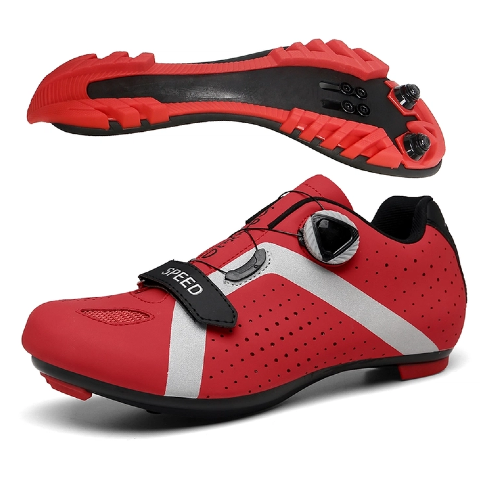
Indoor cycling shoes are optimized for studio environments. Ventilation becomes a priority because riders often train in warmer, enclosed spaces. Breathable uppers and moisture management materials help maintain comfort.
Quick fastening systems also matter. Riders frequently adjust shoes before and after class, so convenience plays a role.
Indoor sessions do not require rugged outsoles or trail protection. Instead, lightweight construction and consistent pedal connection take precedence.
Many indoor bikes use either two-bolt or three-bolt systems. Indoor cycling shoes are designed to match these setups. Verifying compatibility ensures a smooth riding experience.
Clip-in cycling shoes provide a secure attachment to pedals. This stability reduces unwanted foot movement and can feel more controlled during steady cadence sessions. Riders focusing on structured training or longer distances often prefer clip-in setups.
Flat pedals allow riders to place their feet freely. Beginners or riders who prioritize simplicity may find this less restrictive. The learning curve is shorter, and stepping off the bike feels immediate.
Each system presents advantages. Clip-in models enhance connection and stability. Flat-pedal designs prioritize convenience and ease. Selecting between them depends entirely on riding habits rather than trends.
The first question to ask is where you ride most often. Road surfaces, mountain trails, indoor studios, and urban streets demand different characteristics.
Walkability significantly affects comfort for commuters and trail riders. Road-focused shoes prioritize pedaling over walking comfort.
Performance-driven cyclists may prioritize stiffness and cleat systems. Casual riders may value versatility and comfort.
Type | Best For | Cleat Style | Walkability | Key Benefit |
Road | Speed-focused road riding | 3-bolt | Low | Strong power transfer |
Mountain Clip-In | Trail and mixed terrain | 2-bolt | Medium-High | Balanced ride and walk |
Mountain Flat | Casual MTB and technical trails | None | High | Easy stepping off |
Casual / Commuter | Urban riding | 2-bolt or flat | High | Everyday comfort |
Indoor | Studio sessions | 2-bolt or 3-bolt | Medium | Breathability |
QuanZhou Asterism Import and Export Co., Ltd., located in Jinjiang City, Fujian Province, is a specialized footwear manufacturer integrating design, development, production, and sales. With strong experience in sports and functional shoes, Asterism develops cycling shoes that address varied rider expectations.
Whether the focus is road efficiency, trail durability, commuter convenience, or indoor breathability, Asterism offers adaptable models aligned with each use case.
Beyond standard models, Asterism provides customization support. For distributors, retailers, or brands seeking tailored designs, materials, or branding details, this flexibility adds practical value.
With experienced design and development teams and accumulated manufacturing expertise, Asterism combines innovation with craftsmanship. This allows the company to refine sole stiffness, fastening systems, and upper materials according to real-world riding demands.
Choosing the correct type first makes selecting cycling footwear far more efficient. Road, mountain, commuter, and indoor models each serve a specific purpose, and understanding these differences ensures the shoe truly supports the rider’s environment and goals. If you are exploring options tailored to your riding style, Asterism offers a comprehensive range of performance-driven cycling footwear designed to meet diverse needs. For product details or customization inquiries, contact us to learn more about our latest collections.
Q1: Are road cycling shoes suitable for beginners?
Road cycling shoes can be used by beginners who ride mainly on paved roads and want a stable connection. However, riders who walk frequently may prefer mountain or commuter styles.
Q2: What are the main types of cycling shoes?
The main types of cycling shoes include road, mountain clip-in, mountain flat, casual commuter, and indoor cycling models. Each is designed for a different riding environment.
Q3: Can I walk comfortably in cycling shoes?
Walkability depends on the type. Mountain and commuter cycling shoes usually offer better walking comfort than traditional road models.
Q4: How do I know which cleat system I need?
Check your pedal system first. Road cycling shoes typically use three-bolt systems, while mountain and many indoor cycling shoes use two-bolt systems.


